
Big life transitions—moving to a new city, ending a marriage, or switching careers—can feel like your world has been turned upside down. The chaos, uncertainty, and emotional weight often make it hard to see a way forward. Yet these same moments offer a rare opportunity: a blank slate to rebuild your life on purpose. With the right goal-setting strategies, you can turn disruption into deliberate growth.
Every major transition forces you to reevaluate what matters. The key is to channel that energy into structured, achievable goals. Whether you’re unpacking boxes, navigating a divorce, or updating your résumé, a simple Goal Planning Notepad can help you capture your intentions and track progress one step at a time. Below we’ll explore how to use goal setting to improve your life during these three pivotal shifts.
Table of Contents
How to Use Goal Setting When Moving to a New Place
Moving is a mix of excitement and stress. You’re leaving behind familiar routines and building new ones from scratch. That’s a perfect moment to define what you want your new daily life to look like.
1. Set a 30-Day “Settle-In” Goal
Instead of trying to do everything at once, pick three priorities for your first month: unpack essentials, find a local grocery store, and meet one neighbor. Write these down in your goal journal. Celebrate small wins—like making your bed in the new bedroom—to build momentum.
2. Create a “Home Vision” List
What does a fulfilling home life mean to you? Maybe it’s a clutter-free space, a dedicated reading nook, or a welcoming kitchen for friends. Use a bullet list to capture five features you want. Then set one weekly action (e.g., “buy a houseplant”) to bring that vision closer.
Internal link tip: For more small upgrades that stack, read our Life Improvement Starter Guide: Small Changes That Create Big Upgrades.
3. Use a Structured Journal
The This Year I Will…: Weekly Prompts to Create the Life You Want offers 52 weeks of prompts that guide you through defining values, setting intentions, and reviewing progress. It’s especially helpful when you’re adjusting to a new environment and need consistent reflection.

Navigating Divorce with Intentional Goal Setting
Divorce is one of life’s most emotionally draining transitions. Grief, anger, and relief can all coexist. Goal setting here isn’t about being productive—it’s about regaining control of your identity and future.
Phase 1: Stabilize with Short-Term Goals
Right after a separation, focus on survival basics: get enough sleep, eat well, and move your body daily. Write down just three non-negotiable habits. For example: “Go for a 10-minute walk every morning.” This anchors your nervous system.
Phase 2: Rebuild Your Personal Vision
Once you feel steady, shift to redefining who you are—not as half of a couple, but as an individual. Use prompts like “What brings me joy?” or “What did I put aside during the marriage?” List them in your journal. Then pick one area (e.g., a hobby you loved) and set a two-week goal to re-engage with it.
Phase 3: Plan Your New Financial and Social Life
Divorce often means new budgeting routines and a smaller social circle. Set a goal to review your finances weekly for three months, and another goal to try one new social activity per month. Track everything in a dedicated planner. The The Jim Rohn Guide to Goal Setting (just $5.99, rated 4.7) distills timeless principles like “Don’t wish it were easier; wish you were better.” It’s a compact read that can shift your mindset from loss to growth.

Internal link tip: Need a full framework? Check out How to Audit Your Life: a Simple Framework for Finding What Needs to Change.
Career Change: Turn Uncertainty into a Purposeful Path
Whether you’re switching industries, going back to school, or starting a business, a career transition is a high-stakes time. Goal setting helps you move forward without feeling overwhelmed.
Step 1: Identify Your Transferable Skills
List everything you’re good at—communication, project management, troubleshooting. Then research roles that leverage those strengths. Set a weekly goal to update your LinkedIn profile or reach out to one person in your target field.
Step 2: Create a 90-Day Learning Plan
If your new career requires new knowledge, break it into bite-sized chunks. For example: “Month 1 – complete an online course; Month 2 – build a portfolio piece; Month 3 – apply to five jobs.” Use a Goal Planning Notepad to list each month’s tasks and cross them off as you go.
Step 3: Manage Your Finances and Mindset
A career change often means a temporary pay cut. Set a goal to build a six-month emergency fund before you quit. Also practice daily affirmations to combat imposter syndrome. The structured prompts in This Year I Will… can help you reframe negative thoughts.
| Transition Type | Top Goal Setting Focus | Recommended Tool |
|---|---|---|
| Moving | Create a 30-day settling plan | Goal Planning Notepad ($13.99, 4.7★) |
| Divorce | Rebuild personal identity | This Year I Will… ($8.89, 4.6★) |
| Career Change | Skill acquisition & networking | The Jim Rohn Guide ($5.99, 4.7★) |
Internal link tip: For deeper habit rewiring, see Life Improvement Through Better Habits: Rewiring Your Routine Step by Step.
Goal Setting Strategies That Work for Any Transition
Regardless of which change you’re facing, these universal principles keep you moving in the right direction.
- Break large goals into weekly sprints. A five-year plan is too vague. Instead, ask: “What can I do this week?” Write it down.
- Use the “One Thing” rule. Pick the single most important task each day and do it first.
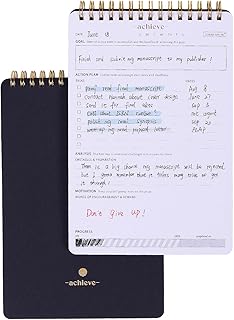
- Review and adjust every Sunday. Spend 15 minutes reviewing progress and tweaking next week’s plan. The Goal Planning Notepad has dedicated sections for action plans and daily tasks.
Why Writing Goals Down Matters
Research shows you’re 42% more likely to achieve goals if you write them down. A physical journal like the Goal Planning Notepad (54 sheets, A5 size) forces you to be concrete. Its structured layout helps you separate projects from daily tasks—perfect for juggling multiple life changes.
Internal link tip: If you feel stuck in a routine, read How to Improve Your Life When You Feel Stuck in a Routine?.
Frequently Asked Questions
How do I start goal setting during a painful transition like divorce?
Start small. Write down one daily self-care habit (e.g., drink water, walk). Then each week add one more simple goal. Focus on what you can control.
Should I set long-term goals during a move?
You can, but keep the first 30 days tactical. After the move, you’ll have more clarity for longer-term life improvement goals like making friends or decorating your home.
Can goal setting really help with career change anxiety?
Yes. Specific, written goals reduce uncertainty. Even spending 10 minutes daily on a career-related task (networking, learning) builds momentum and lowers anxiety.
What if I don’t know what I want in my new life?
Use prompts from This Year I Will… or a free journal. Answer questions like “If I had no fear, what would I do?” Let the answers guide your first small goal.
Which product is best for long-term life improvement?
The Jim Rohn Guide is excellent for mindset. For daily tracking, the Goal Planning Notepad offers task management. For weekly reflection, choose This Year I Will… .