

Your first five years in the workforce are a financial launchpad. The habits you build now—how you save, spend, invest, and learn about money—will compound into long-term security or regret. Most young professionals focus on earning more, but the real edge comes from mastering your money mindset early.
Think of this period as your personal finance boot camp. The goal isn't to be perfect; it's to build a system that works for you. Whether you just landed your first job or are a few years in, the steps below will help you create a foundation that lasts.
Table of Contents
Why the First Five Years Matter Most
Time is the most underrated asset in personal finance. A dollar invested at age 25 has decades to grow, while the same dollar invested at 35 has far less runway. Your first five working years also set your baseline spending habits. If you learn to live below your means now, you'll avoid lifestyle inflation traps later.
Financial stability isn't about how much you earn—it's about how much you keep and grow. That's why books like Rich Dad Poor Dad and The Psychology of Money have helped millions rethink wealth. We'll come back to those resources shortly.
Step 1: Build an Emergency Fund Before Anything Else
Before investing a single dollar, you need a buffer. Life happens: your car breaks down, you lose your job, or a medical bill shows up. Without savings, you'll reach for credit cards and slip into debt.
How much should you save? Aim for 3–6 months of essential expenses. If you're just starting, target $1,000 first, then build up.
Where to keep it? A high-yield savings account (HYSA) that's separate from your checking account. This money isn't for travel or shopping—it's for emergencies only.
Pro tip: Automate your savings. Set up an automatic transfer every payday. You'll stop noticing the money, but your future self will thank you.
Step 2: Pay Down High-Interest Debt (Especially Credit Cards)
Student loans might feel heavy, but high-interest credit card debt is the real emergency. Interest rates above 20% can eat your income alive. If you have credit card balances, make them priority #1 after your emergency fund.
Recommended payoff strategy:
- List all debts from highest to lowest interest rate.
- Pay minimums on everything except the highest-rate debt.
- Throw every extra dollar at that top debt until it's gone.
Once you're free of high-interest debt, you can focus on lower-rate student loans—especially if they have manageable payments. For more on navigating student loans, read our guide: How to Manage Student Loans Without Panic?.
Step 3: Start Investing Early (Even Small Amounts)
Compounding works best when you give it time. If you invest $200 a month starting at age 25 with an average 8% return, you'll have over $700,000 by age 65. Wait five years to start, and that number shrinks to under $450,000.
What should you invest in? For beginners, a low-cost index fund that tracks the S&P 500 is the simplest choice. Open a Roth IRA or your employer's 401(k)—especially if they offer a match. That match is free money.
Key investing rules for young adults:
- Invest consistently, not perfectly.
- Don't try to time the market.
- Keep fees low.
- Reinvest dividends.
To understand the psychology behind investing and wealth-building, check out The Psychology of Money: Timeless lessons on wealth, greed, and happiness. This #1 bestseller (rated 4.7 stars) breaks down why we make irrational money decisions and how to think long-term.

Step 4: Protect Your Income and Assets
In your twenties, your biggest asset isn't a house or a car—it's your ability to earn. If you get sick or injured, disability insurance can replace a portion of your income. Many employers offer it cheaply. Take it.
Other protections to consider:
- Health insurance (always enroll if available)
- Renters insurance (inexpensive and covers your belongings)
- An estate plan (just a simple will if you have dependents or assets)
Building credit safely is also part of protection. A good credit score saves you thousands in interest on future loans. Read more: Building Credit Safely as a Young Adult.
Step 5: Continuously Educate Yourself (Read, Listen, Learn)
The best investment you can make is in your own financial literacy. The first five years of your career are the perfect time to build a library of money knowledge. Two essential reads stand out for young adults:
-
Rich Dad Poor Dad: What the Rich Teach Their Kids About Money That the Poor and Middle Class Do Not! — A classic that reframes how you think about assets versus liabilities. Priced at just $9.31 with a 4.7 rating.
-
The Psychology of Money — Focuses on the behavioral side of wealth, not just the math. Also rated 4.7.
Both books teach lessons that go beyond budgeting and saving. They help you build a mindset that avoids common traps.
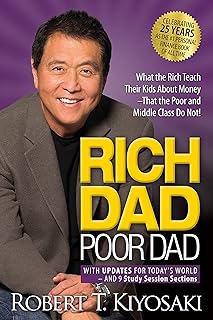
Quick Comparison: Two Must-Read Books for Your Financial Foundation
| Feature | Rich Dad Poor Dad | The Psychology of Money |
|---|---|---|
| Price | $9.31 | $10.99 |
| Rating | 4.7 (107,400+ reviews) | 4.7 (71,600+ reviews) |
| Focus | Mindset shift: assets vs. liabilities | Behavioral finance: how emotions drive money decisions |
| Best for | Total beginners wanting a new perspective | Anyone who struggles with saving or investing discipline |
| Buy at Amazon | |
 |
Step 6: Build Your Credit Score Responsibly
Your credit score affects everything from apartment rentals to car insurance rates. In your first five working years, you have time to build excellent credit—or ruin it. The key is consistency.
How to build credit safely:
- Pay all bills on time (set autopay).
- Keep credit utilization under 30% of your limit.
- Don't open too many accounts at once.
- Check your credit report annually for errors.
Need more specifics? Check out Building Credit Safely as a Young Adult for a step-by-step plan.
Step 7: Avoid Common Financial Traps in Your 20s
The biggest mistakes young professionals make are subtle. They don't feel like mistakes at the time.
Common traps:
- Lifestyle inflation: That raise doesn't mean you need a luxury apartment.
- Car payments: A new car loses 20% of its value the moment you drive it off the lot. Buy used and drive it into the ground.
- Credit card debt for vacations: Experiences are great, but paying interest on them for years is not.
- Neglecting retirement contributions: Missing employer match is leaving free money on the table.
Learn more in our full guide: How to Avoid Common Financial Traps in Your 20S?.
Step 8: Save for Goals Beyond Retirement
You don't have to live like a monk. It's okay to save for travel, a down payment, or personal growth. The trick is to build separate savings buckets.
Suggested approach:
- Automate 15–20% of your income toward long-term investing (retirement).
- Automate 5–10% into a "life goals" account for travel, courses, or a future home.
- Spend the rest guilt-free.
For more on balancing saving and living, read Saving for Travel, Experiences, and Growth While in School (the principles apply post-graduation too).
Step 9: Manage Shared Expenses Without Conflict
If you have roommates or split bills with a partner, money fights can destroy relationships. Set clear rules from day one.
Money rules for peaceful living:
- Use a shared app like Splitwise or a joint account for shared bills only.
- Discuss what happens if someone can't pay on time.
- Never lend money you can't afford to lose.
Get more tips here: Roommates, Rent, and Shared Bills: Money Rules for Peaceful Living.
Step 10: Consider a Side Hustle (Without Burning Out)
Your earning potential is highest when you're young and energetic. A side hustle can accelerate your financial foundation—but only if it doesn't hurt your main career or health.
Best side hustles for young professionals:
- Freelance writing, design, or tutoring
- Selling digital products
- Dog walking or pet sitting
- Investing in skills that boost your main salary
For more ideas that won't destroy your grades or performance, see Side Hustles for Students That Don't Destroy Your Grades (applicable to early career too).
FAQ: Your First Five Working Years in Finance
Q: How much should I save vs invest in my first years?
A: Build a 3-month emergency fund in a high-yield savings account first. Then invest at least 15% of your income for retirement. Any extra can go toward shorter-term goals.
Q: Should I pay off student loans quickly or invest instead?
A: If your loan interest rate is under 4–5%, investing usually wins in the long run. For rates above 6–7%, pay them down faster.
Q: Is it better to buy a home or invest in the stock market?
A: In your first five working years, renting is often smarter. You need flexibility to move for better jobs. Invest the difference instead.
Q: Can I build a strong foundation if my income is low?
A: Absolutely. Percentage matters more than amount. Saving 10% of a small income builds the same habits as saving 10% of a large income. Start where you are.
Q: What's the number one book to read first?
A: Start with Rich Dad Poor Dad to shift your mindset, then The Psychology of Money to understand your own behavior. Together, they cover the essentials.
Final Thoughts: Your Financial Foundation Is a Process, Not a Destination
Your first five working years won't be perfect. You'll make mistakes, overspend on a vacation, and probably buy something you don't need. That's okay. What matters is that you keep moving forward—saving consistently, learning continuously, and avoiding the biggest traps.
Pick one step from this guide and implement it this week. Automate your savings. Read a chapter of Rich Dad Poor Dad or The Psychology of Money. The small actions you take now will compound into a lifetime of financial freedom.
You've got this. Start today.