
Every day, you make dozens of small choices that either move you closer to your goals or pull you away from them. Good habits are the foundation of a strong body, sharp mind, and successful future. Bad habits, on the other hand, quietly erode your health, productivity, and self-confidence – often without you noticing.
This side-by-side comparison will help you identify which habits are serving you and which ones are holding you back. We’ll also explore how a simple tool like protein powder can be a powerful ally when you build good habits around nutrition, and a dangerous crutch when poor habits take over. For a deeper dive into habit frameworks, check out The Comprehensive List of Good Habits and Bad Habits You Should Know and the Printable List of Good Habits to Adopt and Bad Habits to Avoid.
Table of Contents
Why Habits Matter More Than Motivation
Motivation is fleeting. Habits are permanent. The difference between someone who achieves their fitness, financial, or personal goals and someone who stays stuck often comes down to the daily rituals they repeat – not their willpower in a single moment.
Good habits automate positive actions, freeing your mental energy for bigger decisions. Bad habits automate self‑sabotage, draining your energy and focus. The good news? You can systematically replace bad habits with good ones.
Good Habits vs. Bad Habits: The Core Differences
Let’s break down the fundamental contrasts between the two types of habits across key life areas.
| Dimension | Good Habits | Bad Habits |
|---|---|---|
| Health & Fitness | Consistent exercise, balanced meals, adequate sleep | Sedentary lifestyle, bingeing on junk food, poor sleep hygiene |
| Nutrition | Planned meals, mindful eating, smart supplementation | Impulsive snacking, skipping meals, over‑reliance on processed products |
| Mindset | Daily gratitude, journaling, learning | Negative self‑talk, procrastination, comparison |
| Productivity | Time‑blocked work, daily priorities, breaks | Multitasking, doom‑scrolling, perfectionism |
| Money | Automatic savings, budget tracking, investing | Impulse purchases, subscription bloat, debt accumulation |
The habits you cultivate determine your trajectory. Small consistent actions – like mixing a Premier Protein Powder, Chocolate Milkshake into your morning smoothie instead of reaching for a sugary latte – create outsized long‑term results.
The Role of Protein Powder in Building Good Habits
Protein powder itself is neutral. It becomes a good habit when you use it strategically to support muscle repair, satiety, and balanced nutrition. It becomes a bad habit when you rely on it to replace whole foods, skip meals, or ignore deficiencies.
Good Habit: Smart Protein Supplementation
- Smoothies packed with greens, fruit, and a scoop of Optimum Nutrition Gold Standard 100% Whey – Double Rich Chocolate for a post‑workout recovery meal.
- Using Orgain Organic Vegan Protein Powder, Vanilla Bean as a convenient plant‑based option when you’re short on time.
- Pre‑measuring portions to avoid over‑consumption and tracking macros to stay aligned with your goals.
Bad Habit: Misusing Protein Powder
- Downing multiple shakes a day and neglecting whole food sources of protein like chicken, fish, eggs, or legumes.
- Using protein powder as a meal replacement without balanced carbs and fats, leading to energy crashes and nutrient gaps.
- Choosing low‑quality powders loaded with artificial ingredients, fillers, or hidden sugars – which can undermine your health goals.
The key is to make protein powder a servant, not a master. A single scoop from Dymatize ISO 100 Whey Protein – Vanilla post‑workout can enhance recovery; three shakes a day with no real food can sabotage your progress.
Side‑by‑Side: Nutrition Habits That Build vs. Ruin Your Health
Let’s compare specific good and bad habits around eating and supplementation.
Good Habit: Planned, Balanced Meals
You sit down for three to four meals or snacks per day with a balance of protein, healthy fats, and complex carbs. You use protein powder only to bridge gaps – for example, adding a scoop of Transparent Labs Grass‑Fed Whey – French Vanilla to oatmeal for a protein boost.
Bad Habit: Random Eating & Shake Dependence
You skip breakfast, grab a sugary pastry at lunch, and then chug a mass gainer shake in the evening to “catch up” on protein. This habit spikes blood sugar, crashes energy, and fails to meet long‑term nutritional needs.
Good Habit: Pre‑Workout Fuel
You have a small snack (like half a banana or a piece of toast) plus a shake made with Optimum Nutrition Gold Standard – Vanilla Ice Cream, 5lb 30‑60 minutes before training. Your body has steady energy and your muscles get amino acids right when they need them.
Bad Habit: Training Fasted & Then Overcompensating
You train on an empty stomach, then come home ravenous and either binge on junk or slam a hyper‑caloric shake with 50g of sugar. The result: muscle loss, fat gain, and poor recovery.
Good Habits vs. Bad Habits in Mindset & Discipline
The mental game is just as important as the physical one.
| Good Habit | Bad Habit |
|---|---|
| Setting daily “wins” (e.g., drink water, walk 20 min, prep one meal) | Setting vague, impossible goals that lead to guilt when missed |
| Tracking nutrition and supplement intake in a journal or app | Ignoring what you consume and hoping it “works out” |
| Celebrating small progress (e.g., hitting protein goal 5 days in a row) | Obsessing over perfection and giving up after one slip‑up |
| Using a reliable shake like Body Fortress Super Advanced Whey – Vanilla to make healthy eating easier | Using convenience as an excuse to eat poorly 80% of the time |
When you build the mental habit of consistency over perfection, every scoop of protein powder becomes a win, not a guilt trip.
Real‑Life Examples: Good Habit vs. Bad Habit in Action
Example 1: Morning Routine
Good habit: Wake up at 6 a.m., drink a glass of water, do 15 minutes of mobility, then make a smoothie with spinach, berries, and a scoop of Orgain Organic Vegan Protein + 50 Superfoods – Vanilla Bean. You feel energized and focused.
Bad habit: Hit snooze three times, rush to work, grab a drive‑through breakfast sandwich and a sugary coffee. By 10 a.m., you crash and grab a candy bar. Protein intake? Zero until dinner.
Example 2: Afternoon Snack
Good habit: At 3 p.m., you reach for a hard‑boiled egg + a shake made with Six Star Whey Protein – Triple Chocolate. Steady blood sugar, no cravings.
Bad habit: You munch on chips or cookies from the office pantry, then grab a “protein bar” that’s really just a candy bar in disguise. Blood sugar spikes and crashes.
Example 3: Evening Recovery
Good habit: After your evening workout, you enjoy a shake with Dymatize Elite 100% Whey – Rich Chocolate and then a whole‑food dinner containing lean protein, veggies, and quinoa. You sleep deeply.
Bad habit: You skip the post‑workout nutrition entirely, then stay up late binge‑watching TV and snacking on processed food. Next morning you feel sore, sluggish, and unmotivated.
Expert Insights: How to Replace Bad Habits with Good Ones
Dr. James Clear (author of Atomic Habits) emphasizes that the easiest way to change a habit is to make the good habit obvious, attractive, easy, and satisfying – and the bad habit invisible, unattractive, difficult, and unsatisfying.
Practical Steps Using Protein Powder as an Example
- Make the good habit obvious. Place your shaker bottle and a scoop of Isopure Zero Carb – Unflavored on the kitchen counter the night before. You’ll see it first thing.
- Make the bad habit invisible. Keep sugary cereals and candy bars out of the house. If they aren’t there, you can’t grab them.
- Make the good habit attractive. Mix your protein shake with a dash of cinnamon or blend it with frozen fruit to make it taste like a treat.
- Make the bad habit unattractive. Remind yourself that skipping protein after exercise slows muscle repair and lowers your metabolism.
- Make the good habit easy. Pre‑measure your powder in a container. Use a shaker that’s easy to clean. The Vital Proteins Collagen Peptides can even be stirred into coffee – zero effort.
- Make the bad habit difficult. Delete food delivery apps. Clear your pantry of processed snacks. The extra friction will stop you.
Building a Complete List of Good Habits Around Protein & Nutrition
A good habit list isn’t about perfection – it’s about consistency. Here’s a practical list you can start today:
Good Habits (Adopt These)
- Plan your meals for the week every Sunday.
- Use protein powder as a supplement, not a meal replacement – aim for 1–2 scoops max per day.
- Drink water first when you feel hungry; thirst often masquerades as hunger.
- Eat protein at every meal – 20–30g per meal for most adults.
- Choose a high‑quality protein powder like Nutricost Whey Protein – Chocolate (5lbs for value) or Orgain Organic Unflavored Vegan for plant‑based options.
- Track your protein intake with a free app like MyFitnessPal for at least one week to get a baseline.
Bad Habits (Avoid These)
- Drinking multiple protein shakes per day at the expense of whole foods.
- Skipping breakfast and then drinking a mass gainer shake that has 50g of sugar.
- Using protein powder to justify eating junk the rest of the day.
- Buying the cheapest powder without reading the label – it’s often full of fillers.
- Storing powder near heat or moisture, causing it to clump and degrade.
The Science of Habit Stacking with Protein Powder
Habit stacking is a proven technique: tie a new good habit to an existing one. For example:
“After I brush my teeth in the morning, I will mix one scoop of Premier Protein Powder, Vanilla Milkshake into my coffee.”
Or:
“After I finish my workout, I will immediately make a shake with Dymatize ISO100 – Fruity Pebbles while I stretch.”
This stacking lowers the mental effort needed to remember the habit. Over time, the action becomes automatic.
Common Pitfalls in the Good Habit Journey (and How to Avoid Them)
Pitfall #1: All‑or‑Nothing Thinking
“I missed one day of protein, so I’ll just give up.” Solution: Use the “never miss twice” rule. If you miss a shake or a meal, get back on track the next meal.
Pitfall #2: Relying Too Heavily on Supplements
Even the best protein powder is not a substitute for a varied diet. Solution: Use whole food protein sources (meat, dairy, legumes, eggs) for 70–80% of your intake. Use NAKED Whey Vanilla Protein – with only 3 ingredients – for the remaining 20%.
Pitfall #3: Ignoring the Context of Your Habits
Your environment shapes your habits. If your kitchen is stocked with chips and soda, you’ll grab those. Solution: Redesign your environment. Keep a shaker filled with powder on the counter, and stash healthy snacks at eye level in the fridge.
Side‑by‑Side Summary: A Quick Reference Table
| Life Area | Good Habit | Bad Habit |
|---|---|---|
| Morning | Wake early, drink water, eat a balanced breakfast with protein shake | Hit snooze, skip breakfast, then binge on coffee and sugar |
| Hydration | Drink at least 8 cups of water per day | Drink soda, energy drinks, or multiple cups of sugary coffee |
| Protein Intake | 1–2 scoops of clean protein powder like Levels Grass Fed Whey – Pure Chocolate as part of a whole‑food diet | Relying on 4+ shakes a day with no real food |
| Post‑Workout | Shake within 30 minutes, then whole‑food meal within 2 hours | Skip post‑workout nutrition entirely, then eat junk later |
| Sleep | Consistent 7–9 hours; avoid protein shakes too late (digestion may disturb sleep) | Late‑night snacking, screen time, irregular sleep schedule |
| Mindset | Track progress, celebrate small wins, forgive slip‑ups | Compare yourself to others, get discouraged, quit after failure |
Frequently Asked Questions
1. Can protein powder be part of a good habit if I’m trying to lose weight?
Absolutely. A scoop of Orgain Organic Vegan Protein – Unsweetened in a low‑calorie smoothie can help control hunger and preserve muscle mass during weight loss. The key is to count it as part of your daily calorie and protein goals.
2. How many scoops of protein powder per day is considered a healthy habit?
For most people, 1–2 scoops per day is a good range. That provides 20–50 grams of supplemental protein. The rest should come from whole foods. If you are an athlete or have higher protein needs, you might go up to 3 scoops, but always prioritize food first.
3. What’s the best protein powder for building a consistent good habit?
A powder that you genuinely enjoy the taste of and that fits your dietary needs is best. Whey isolates like Dymatize ISO 100 – Vanilla digest quickly and taste great. Plant‑based options like Orgain Organic Vegan Protein + 50 Superfoods are excellent for dairy‑free diets.
4. Is it a bad habit to drink a protein shake right before bed?
It depends. If you have a late workout or need protein for recovery, a small shake (especially one with casein or a blend) can be beneficial. However, a large shake close to bed might disrupt sleep for some people. Listen to your body and use powders with low sugar.
5. Can I rely solely on protein powder to get my daily protein?
No. That would be a bad habit. Whole foods provide fiber, vitamins, minerals, and phytonutrients that powder lacks. Use powder to fill gaps, not replace meals.
6. How do I stop the bad habit of always reaching for junk food?
Replace the trigger with a better response. Keep a pre‑measured scoop of Body Fortress Super Advanced Whey – Vanilla and a shaker bottle at your desk. When the afternoon craving hits, mix that shake first. The protein will satisfy you better than chips.
Recommended Protein Powders for a Strong Good Habit Foundation
Here are some top‑rated products that align with healthy, consistent habits. All are available on Amazon with high reviews.
| Product | Price | Rating | Best For |
|---|---|---|---|
 Optimum Nutrition Gold Standard – Double Rich Chocolate, 1.98 lb Optimum Nutrition Gold Standard – Double Rich Chocolate, 1.98 lb |
$44.99 | 4.6 | All‑around quality whey |
 ON Gold Standard – Vanilla Ice Cream, 5 lb ON Gold Standard – Vanilla Ice Cream, 5 lb |
$79.99 | 4.7 | Long‑lasting value |
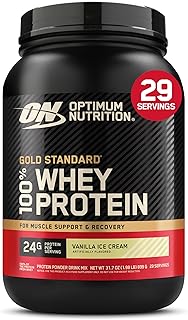 ON Gold Standard – Vanilla Ice Cream, 2 lb ON Gold Standard – Vanilla Ice Cream, 2 lb |
$44.99 | 4.7 | Smaller tub, same quality |
 Premier Protein – Chocolate Milkshake, 29 servings Premier Protein – Chocolate Milkshake, 29 servings |
$25.97 | 4.6 | Low sugar, high protein |
 Orgain Organic Vegan – Vanilla Bean, 2.03 lb Orgain Organic Vegan – Vanilla Bean, 2.03 lb |
$31.52 | 4.5 | Best plant‑based overall |
 Dymatize ISO 100 – Vanilla, 5 lb Dymatize ISO 100 – Vanilla, 5 lb |
$108.99 | 4.7 | Premium isolate for fast absorption |
 Premier Protein – Vanilla Milkshake, 23.3 oz Premier Protein – Vanilla Milkshake, 23.3 oz |
$31.60 | 4.6 | Keto‑friendly whey |
 Transparent Labs Grass‑Fed – French Vanilla, 30 servings Transparent Labs Grass‑Fed – French Vanilla, 30 servings |
$59.99 | 4.5 | Cleanest ingredients |
 Body Fortress Super Advanced – Vanilla, 3.9 lb Body Fortress Super Advanced – Vanilla, 3.9 lb |
$45.28 | 4.6 | Immune support + protein |
| [ Isopure Zero Carb – Unflavored, 3 lb Isopure Zero Carb – Unflavored, 3 lb |
$89.95 | 4.4 | Carb‑free versatility |
 Dymatize Elite 100% Whey – Rich Chocolate, 5 lb Dymatize Elite 100% Whey – Rich Chocolate, 5 lb |
$76.18 | 4.6 | Great value for muscle recovery |
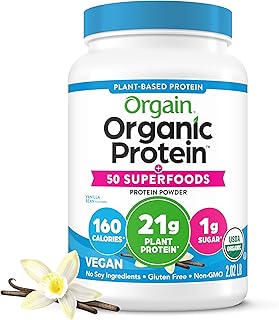 Orgain Organic Vegan + 50 Superfoods – Vanilla Bean, 2.02 lb Orgain Organic Vegan + 50 Superfoods – Vanilla Bean, 2.02 lb |
$34.15 | 4.6 | Extra nutrients in plant protein |
 Dymatize Fruity Pebbles ISO100, 20 servings Dymatize Fruity Pebbles ISO100, 20 servings |
$42.48 | 4.6 | Fun flavor, clean isolate |
 Dymatize Super Mass Gainer – Gourmet Vanilla, 8 servings Dymatize Super Mass Gainer – Gourmet Vanilla, 8 servings |
$39.98 | 4.5 | High‑calorie mass gainer |
 Levels Grass Fed Whey – Pure Chocolate, 2 lb Levels Grass Fed Whey – Pure Chocolate, 2 lb |
$44.99 | 4.5 | Pasture‑raised whey |
 Vital Proteins Collagen Peptides – Unflavored, 9.33 oz Vital Proteins Collagen Peptides – Unflavored, 9.33 oz |
$18.65 | 4.6 | Collagen for joints and skin |
 NAKED Whey Vanilla, 24 servings NAKED Whey Vanilla, 24 servings |
$44.99 | 4.1 | Minimal ingredients |
 Nutricost Whey Protein – Chocolate, 5 lb Nutricost Whey Protein – Chocolate, 5 lb |
$74.95 | 4.5 | Big tub, great value |
 Orgain Organic Unflavored Vegan, 1.59 lb Orgain Organic Unflavored Vegan, 1.59 lb |
$26.99 | 4.3 | Sugar‑free plant protein |
Your Next Step: Build One Good Habit Today
You don’t need to overhaul your entire life overnight. Pick one good habit from this list – whether it’s drinking a glass of water before your morning shake, or replacing an afternoon candy bar with a scoop of Six Star Whey – Triple Chocolate – and commit to it for the next seven days.
Track your progress. Stack the habit onto an existing routine. And when you slip (you will), follow the “never miss twice” rule. Good habits aren’t about perfection. They’re about persistence.
For a complete reference, revisit The Comprehensive List of Good Habits and Bad Habits You Should Know and download the Printable List of Good Habits to Adopt and Bad Habits to Avoid to keep yourself on track.
Your future self will thank you for the habits you build today.