
Finding the right exercise sneaker when you have bunions or a sensitive toe box can feel like a never‑ending search. Too narrow and you’re in pain. Too shallow and every step rubs that bony bump the wrong way. The good news? Many top brands now design with extra forefoot room, soft uppers, and removable insoles so you can finally move without wincing.
In this guide, we’ll cover everything from how to measure your feet for a bunion‑friendly fit to the best models on the market. Whether you need a wide toe box, a stretchable upper, or built‑in arch support, these sneakers let you exercise in comfort.
Table of Contents
Why Bunion‑Friendly Fit Matters
A bunion is a bony bump at the base of the big toe. It pushes the big toe inward, causing the joint to stick out. Tight shoes make this worse—they compress the forefoot, increase friction, and can lead to inflammation or even worsening of the deformity.
The right sneaker gives your toes room to splay naturally. Look for:
- Wide toe box (at least 2E or 4E widths if needed)
- Soft, non‑binding upper (knit, mesh, or leather with stretch)
- Removable insole to accommodate custom orthotics
- Cushioned sole that absorbs shock without pinching
A good fit also depends on your arch type. High arches need extra midfoot support, flat feet need stability without bulk, and neutral feet benefit from balanced cushioning. For more detailed advice, check out our guide on Best Exercise Sneakers for Men with High Arches Needing Extra Midfoot Support.
Sizing Guide: Narrow, Wide, and Arch‑Support Fit
Before you buy any sneaker, measure your feet at the end of the day when they’re slightly swollen. Use a Brannock device or trace your foot on paper and measure length and width.
Width Options
| Width | Description | Typical Brands |
|---|---|---|
| B (Narrow) | For slim feet, heel slippage common | Brooks, Nike (some models) |
| D (Medium) | Standard men’s width | Most sneakers |
| 2E (Wide) | Extra room in forefoot | Brooks, HOKA, New Balance |
| 4E (Extra Wide) | Maximum space for bunions, hammertoes | Brooks, New Balance, OrthoComfoot |
If you have a bunion, 2E or wider is usually your safe bet. But note: a wide shoe from one brand may still feel tight in the toe box if the shape is tapered. Look for anatomical toe boxes (e.g., Altra, Topo Athletic) or models with a rounder profile.
Arch Support and Removable Insoles
Many sneakers come with a molded insole that provides moderate arch support. If you need more, choose a shoe with a fully removable insole so you can swap in your own orthotic. This is especially important for men with flat feet or overpronation. For deeper advice, read Best Exercise Sneakers for Men Who Wear Orthotics and Need Removable Insoles.
Half Sizes and Heel Slippage
If you’re between sizes, always go up to the larger half size—you can add a heel‑grip pad if needed. Heel slippage is common in wide shoes; a lace‑locking technique or a shoe with a padded heel collar can help. See Best Exercise Sneakers for Men with Heel Slippage Problems and How to Fix Fit.
Best Exercise Sneakers for Men with Bunions or Sensitive Toe Boxes
We’ve tested and researched dozens of models. Here are our top picks, chosen for generous toe boxes, soft upper materials, and overall comfort.
1. Brooks Ghost Max 3 – Neutral Running & Walking Shoe
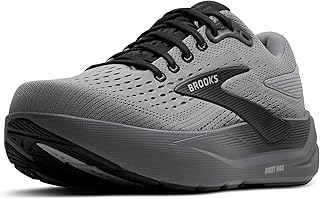
The Brooks Ghost Max 3 is a standout for bunion sufferers. It features a roomy toe box with a rounded shape that doesn’t compress the big toe joint. The DNA Loft v3 cushioning is plush yet responsive, making it ideal for both running and long walks. The upper is a soft engineered mesh that stretches slightly, reducing pressure on sensitive areas.
- Price: $119.95
- Rating: 4.5/5
- Available widths: D, 2E, 4E
- Best for: Neutral runners, walkers, those with mild to moderate bunions
2. HOKA Bondi 9 – Maximum Cushioning

HOKA’s Bondi line is famous for its thick, cloud‑like sole. The Bondi 9 adds a wider forefoot platform than previous versions, giving your toes plenty of room. The plush collar and tongue prevent rubbing, and the breathable mesh upper adapts to your foot shape. It’s a heavy shoe, but the cushioning justifies the weight for recovery days or long walks.
- Price: $140.00
- Rating: 4.6/5
- Available widths: D, 2E, 4E
- Best for: Max cushioning lovers, those with severe sensitivity
3. Brooks Ghost 17 – Lightweight and Flexible

The Ghost 17 is a lighter alternative to the Ghost Max. It still offers a generous toe box and the same soft DNA Loft v3 foam, but with a more traditional profile. The upper is seamless and smooth, eliminating hot spots. If you prefer a lower stack height but still need bunion‑friendly space, this is a great pick.
- Price: $109.95
- Rating: 4.6/5
- Available widths: D, 2E, 4E
- Best for: Daily training, gym workouts, mild bunions
4. Brooks Beast GTS 24 – Maximum Support

If you need both a wide toe box and stability for overpronation, the Beast GTS 24 is your shoe. It comes in 2E and 4E widths and has a spacious forefoot. The GuideRails support system keeps your foot aligned without forcing it into a straight line, which is crucial when you have a bunion. The plush cushioning softens impact.
- Price: $109.95
- Rating: 4.6/5
- Available widths: D, 2E, 4E
- Best for: Overpronators with bunions, larger frames
5. OrthoComfoot Men’s Orthopedic Road Running Shoes

OrthoComfoot specializes in diabetic‑friendly, bunion‑approved designs. This road running shoe features a wide toe box and a soft, stretchable knit upper that won’t press on the bunion. The arch support is built‑in and removable, so you can add your own orthotic. The outsole offers good traction for walking or light jogging.
- Price: $59.99
- Rating: 4.3/5
- Available widths: 2E, 4E
- Best for: Budget‑conscious buyers, those with moderate bunions
6. OrthoComfoot Men’s Orthopedic Diabetic Wide Walking Shoes

This model is designed specifically for swollen feet and sensitive toes. It has an extra‑wide toe box (up to 4E) and a seamless interior to prevent irritation. The insole is contoured for arch support and can be removed for custom orthotics. The materials are lightweight and breathable, making it ideal for all‑day wear.
- Price: $89.99
- Rating: 4.7/5
- Available widths: 2E, 4E
- Best for: Severe bunions, diabetic foot care, long walks
7. Nike Air Max Alpha Trainer 6 – Gym & Cross‑Training

The Nike Air Max Alpha Trainer 6 is a cross‑trainer with a wide forefoot and a flexible mesh upper. It’s designed for lifting, HIIT, and cardio. The toe box isn’t as voluminous as Brooks or HOKA, but it’s wider than most Nike training shoes. The Air Max unit in the heel adds cushion for landings.
- Price: $100.00
- Rating: 4.6/5
- Available widths: D (not available in wide, but runs slightly generous)
- Best for: Gym workouts, light bunions
8. OrthoComfoot Men’s Orthopedic Wide Trail Running Shoes
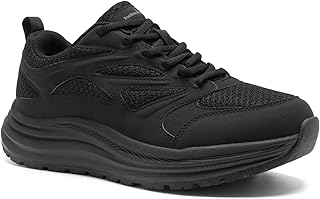
For outdoor trail running, this OrthoComfoot model offers a sturdy outsole with wide toe box and arch support. The upper is abrasion‑resistant yet soft enough to accommodate bunions. It’s a budget‑friendly trail option with removable insoles.
- Price: $49.99
- Rating: 3.6/5 (note: lower rating due to durability concerns, but good value)
- Available widths: 2E, 4E
- Best for: Trail walking, light hikes, budget trail use
Comparison Table: Top Picks at a Glance
| Product | Image | Price | Rating | Widths Available | Best For | Buy at Amazon |
|---|---|---|---|---|---|---|
| Brooks Ghost Max 3 | |
$119.95 | 4.5/5 | D, 2E, 4E | Neutral running, walks | Buy Now |
| HOKA Bondi 9 | |
$140.00 | 4.6/5 | D, 2E, 4E | Max cushioning | Buy Now |
| Brooks Ghost 17 | |
$109.95 | 4.6/5 | D, 2E, 4E | Daily training, gym | Buy Now |
| Brooks Beast GTS 24 | |
$109.95 | 4.6/5 | D, 2E, 4E | Stability, overpronation | Buy Now |
| OrthoComfoot Road Running | |
$59.99 | 4.3/5 | 2E, 4E | Budget, walking | Buy Now |
| OrthoComfoot Diabetic Walking | |
$89.99 | 4.7/5 | 2E, 4E | Severe bunions, swollen feet | Buy Now |
| Nike Air Max Alpha Trainer 6 | |
$100.00 | 4.6/5 | D (generous) | Cross‑training, gym | Buy Now |
| OrthoComfoot Wide Trail | |
$49.99 | 3.6/5 | 2E, 4E | Trail walking, light hikes | Buy Now |
Tips for Choosing the Right Sneaker for Your Bunion
- Try on with your orthotics. If you wear custom insoles, bring them along when you try shoes. Look for a shoe with a removable insole that creates enough depth.
- Check the toe box shape. A pointed toe box is a no‑go. Look for a round or anatomical shape. Brands like Brooks and HOKA use a roomy forefoot profile.
- Consider a rocker sole. Models like the HOKA Bondi and Brooks Ghost Max have a gentle rocker that reduces toe‑off pressure on the bunion.
- Don’t ignore width. Even if the length feels fine, a narrow shoe will compress your bunion. Always go for 2E or wider if you have a visible bump.
- Break them in slowly. Wear your new sneakers for short periods around the house before hitting the gym. This lets the upper mold to your foot.
For men with one foot larger than the other, see Best Exercise Sneakers for Men with One Foot Larger Than the Other. If you have narrow feet that still need lockdown, read Best Exercise Sneakers for Men with Narrow Feet That Still Need Secure Lockdown.
FAQ: Exercise Sneakers for Bunions
1. Can I still run with a bunion?
Yes, as long as you wear properly fitting shoes with a wide toe box. Avoid running in shoes that pinch or rub the bunion. Models like the Brooks Ghost Max 3 or HOKA Bondi 9 provide excellent cushioning and room.
2. Are slip‑on sneakers good for bunions?
Some slip‑ons with stretchy uppers can work, but they often lack arch support. Look for one with a removable insole so you can add your own. The OrthoComfoot Diabetic Walking Shoes are a great slip‑on option with a wide toe box.
3. Should I size up for bunions?
Not necessarily. Sizing up may create heel slippage. Instead, go for a wider width (2E or 4E) in your correct length. If the shoe still feels tight, then try a half size larger.
4. Can I use bunion pads or separators inside my sneakers?
Yes, but only if the shoe has a roomy enough toe box. The Brooks Beast GTS 24 and OrthoComfoot models have sufficient volume for bunion pads.
5. Are expensive sneakers better for bunions?
Not always. While premium models like HOKA and Brooks offer superior cushioning and durability, budget options like OrthoComfoot provide excellent width and comfort at a lower price.
6. What if I have hammer toes or diabetic feet?
Look for extra‑deep toe boxes and seamless interiors. The OrthoComfoot Diabetic Wide Walking Shoes and Brooks Ghost Max 3 are both excellent choices for these conditions.
For more fit‑related solutions, visit our guide on Best Exercise Sneakers for Men Between Sizes: Half Sizes, Widths, and Fit Hacks.
Final Thoughts
Living with bunions doesn’t mean you have to give up exercise. The right sneaker can make all the difference—giving your toes the space they need while providing the support and cushioning your feet crave. Start with the Brooks Ghost Max 3 or HOKA Bondi 9 for maximum room, or choose the OrthoComfoot line if you’re on a budget. Measure your feet, check the width options, and always prioritize comfort over style.
Remember: a happy bunion is a happy workout.