
Foot pain can stop your workouts cold. Many men try to push through discomfort, hoping it will fade, but ignoring the signs often leads to longer recovery and more serious injuries. The right pair of exercise sneakers can help prevent common issues like plantar fasciitis, overpronation, and shin splints. But how do you know when a new shoe is enough and when you need professional care?
This guide covers the signs that say “see a doctor,” the key features of injury-prevention sneakers, and our top picks for men who want to stay active without the ache. Whether you’re dealing with heel pain, arch strain, or instability, we’ll help you choose wisely.
Table of Contents
When to See a Professional About Foot Pain
Not every twinge requires a specialist, but certain symptoms should never be ignored. If you experience any of the following, make an appointment with a podiatrist or physical therapist:
- Pain that lasts more than two weeks despite rest and ice
- Swelling, redness, or warmth in the foot or ankle
- Inability to bear weight on the affected foot
- Numbness, tingling, or a burning sensation
- A visible deformity or lump
Self-diagnosing foot pain can mask underlying issues like stress fractures, Achilles tendinitis, or Morton’s neuroma. A professional can provide a proper diagnosis and recommend treatment, which may include orthotics, stretching, or a specific shoe type. For more details, check out our guide on Best Exercise Sneakers for Men with Plantar Fasciitis Needing Heel and Arch Relief.
Key Features to Look for in Injury-Prevention Sneakers
Before diving into specific models, understand what makes a sneaker protective. Look for these essentials:
- Arch support – Prevents overpronation and reduces strain on the plantar fascia.
- Cushioning – Absorbs impact, especially in the heel and forefoot.
- Stability features – Medial posts or guide rails help control excessive foot motion.
- Wide toe box – Allows toes to splay naturally, reducing pressure on the metatarsals.
- Heel counter – A firm cup around the heel locks the foot in place.
If you’re dealing with specific conditions, see our articles on Best Exercise Sneakers for Men Managing Overpronation During Workouts and Best Exercise Sneakers for Men with Shin Splints Who Still Want to Stay Active.
Top Exercise Sneakers for Foot Pain Prevention and Relief
We’ve selected the best sneakers based on real user feedback, expert reviews, and proven technology. Each model targets common pain points while supporting your active lifestyle.
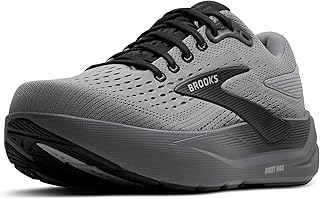
Brooks Ghost Max 3 – Cushioned Neutral Runner with Maximum Comfort
The Brooks Ghost Max 3 Neutral Running & Walking Shoe is a top choice for men who need plush cushioning without sacrificing stability. Its DNA Loft v3 foam delivers a soft, responsive ride, while the GlideRoll Rocker helps transition smoothly from heel to toe.
- Best for: Neutral runners, heel pain, and forefoot pressure
- Cushioning level: High
- Stack height: 28mm heel / 22mm forefoot
- Drop: 6mm
Brooks Beast GTS 24 – Maximum Support for Overpronation
For men with flat feet or severe overpronation, the Brooks Beast GTS 24 Supportive Running & Walking Shoe provides exceptional motion control. Its GuideRails system keeps your knees and hips aligned, reducing stress on the arch and ankle.
- Best for: Overpronation, flat feet, knee pain
- Cushioning level: Medium
- Support type: Maximum stability
- Width options: Standard to extra wide

Hoka Bondi 9 – Max Cushioning for Impact Protection
The Hoka Bondi 9 is renowned for its thick bed of foam that soaks up shock. It’s ideal for men with heel spurs, metatarsalgia, or anyone who spends long hours on their feet. The Meta-Rocker technology encourages a natural gait.
- Best for: Heel pain, shin splints, impact-sensitive feet
- Cushioning level: Maximum
- Drop: 4mm
- Weight: 10.8 oz (size 9)

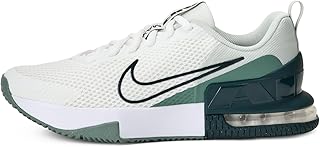
Nike Air Max Alpha Trainer 6 – Versatile Cross-Training with Cushioning
The Nike Air Max Alpha Trainer 6 Workout Shoes combine a stable base for lifting with Air Max cushioning for running and HIIT. It’s a great all-around shoe for gym goers who experience forefoot or heel pain during dynamic movements.
- Best for: Gym workouts, light running, forefoot pressure
- Cushioning level: Medium-high
- Heel drop: 10mm
- Special features: Rubber outsole for traction
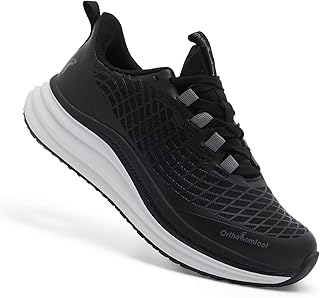
OrthoComfoot Men’s Orthopedic Road Running Shoes – Affordable Arch Support
If you need built-in orthotic support without breaking the bank, the OrthoComfoot Men’s Orthopedic Road Running Shoes offer a stable platform with contoured arch support. They’re specifically designed for plantar fasciitis and flat feet.
- Best for: Plantar fasciitis, flat feet, heel pain
- Cushioning level: Medium
- Width options: Regular and wide
- Price: $59.99
Comparison Table: Top Injury-Prevention Sneakers
| Product | Image | Price | Rating | Best For | Buy Now |
|---|---|---|---|---|---|
| Brooks Ghost Max 3 |  |
$119.95 | 4.5 | Neutral runners, heel pain | Buy at Amazon |
| Brooks Beast GTS 24 | |
$109.95 | 4.6 | Overpronation, flat feet | Buy at Amazon |
| Hoka Bondi 9 |  |
$140.00 | 4.6 | Impact protection, shin splints | Buy at Amazon |
| Nike Air Max Alpha Trainer 6 | |
$100.00 | 4.6 | Cross-training, forefoot pain | Buy at Amazon |
| OrthoComfoot Men’s Orthopedic Shoes | |
$59.99 | 4.3 | Plantar fasciitis, flat feet | Buy at Amazon |
Additional Pain-Prevention Tips
Even the best sneakers work best when combined with good habits:
- Replace your shoes every 300–500 miles – worn-out cushioning increases injury risk.
- Stretch your calves and hamstrings daily – tightness contributes to plantar fasciitis and shin splints.
- Listen to your body – if pain persists after switching shoes, consult a professional.
For more help with specific conditions, explore our guides on Best Exercise Sneakers for Men with Lower Back Pain Linked to Footwear Choices and Best Exercise Sneakers for Men Dealing with Achilles Tendon Tightness and Irritation.
Frequently Asked Questions
Can good sneakers really prevent foot pain?
Yes, especially when they provide appropriate arch support, cushioning, and stability. Research shows that proper footwear reduces stress on the plantar fascia and joints. However, if you have an underlying structural issue, sneakers alone may not be enough.
How do I know if I need motion-control shoes?
If your footprints show little or no arch (flat feet) and you notice your ankles rolling inward when you walk or run, overpronation is likely. Try a stability or motion-control shoe from our list, like the Brooks Beast GTS 24.
Should I wear orthotic insoles with these sneakers?
Many of these sneakers have removable insoles, so you can insert custom orthotics if recommended by a professional. The Brooks Ghost Max 3 and Hoka Bondi 9 have generous depth for orthotics.
How often should I replace exercise sneakers for injury prevention?
Most experts recommend replacing running and training shoes every 300–500 miles or every 6 months, whichever comes first. Worn midsoles lose shock absorption, increasing the risk of shin splints and joint pain.
What if my foot pain returns after buying new sneakers?
If pain persists for more than two weeks, stop self-treating. See a podiatrist or physical therapist. They can assess your gait, flexibility, and strength to identify the root cause.
Your feet carry you through every workout. By choosing the right sneakers and knowing when to seek help, you’ll stay active, pain-free, and moving forward. If you’re still on the fence, start with one of our top picks and listen to what your body tells you.