
What if I told you that self discipline comes down to a single word? One word that, once you truly get it, makes every goal you set feel lighter, more natural, and actually achievable. That word is consistency.
For years, people chase self discipline through willpower, motivation hacks, and rigid schedules. They wake up at 5 a.m., meal prep for a week, and feel like a warrior for three days. Then life happens. The alarm gets snoozed. The meal prep fails. And they feel like a failure again.
The problem isn’t that you lack self discipline. The problem is that you’ve been aiming for intensity instead of consistency. And intensity is a liar. It promises fast results but burns out just as fast.
Consistency, on the other hand, is the single principle that makes sticking to goals feel easier over time. It transforms the impossible into the inevitable. Today, we’re going to unpack why “self discipline one word” is really about embracing consistency, and how you can use it to build a life that finally works.
Table of Contents
What Does “Self Discipline One Word” Really Mean?
When people search for “self discipline one word,” they’re looking for the core essence of what makes discipline work. Not a list of tips. Not a motivational quote. Just the one thing that, if mastered, changes everything.
That one word is consistency. Not willpower. Not grit. Not even habit, though habits are its children. Consistency is the daily, repeated action that builds momentum. It’s showing up even when you don’t feel like it. It’s the compound interest of self discipline.
Brian Tracy, author of No Excuses!: The Power of Self-Discipline, puts it simply: “Self-discipline is the ability to do what you should do, when you should do it, whether you feel like it or not.” And the only way to sustain that day after day is through consistency.
Why Consistency Is the Secret Ingredient
Most people overestimate what they can do in a day and underestimate what they can do in a year. That’s the consistency gap. When you focus on being consistent, you stop trying to be perfect. You stop waiting for motivation. You simply take one small step, then another.
Think about brushing your teeth. You don’t need willpower for that, right? It’s automatic. That’s because you’ve been consistent for years. The same principle applies to exercise, writing, saving money, or building any skill.
- Consistency reduces decision fatigue. When you decide once and repeat, your brain stops wrestling with choices.
- Consistency builds identity. You start to see yourself as someone who exercises, not someone who’s trying to exercise.
- Consistency compounds results. A 1% improvement every day leads to a 37x improvement over a year.
The Science Behind Why Consistency Beats Intensity
Neuroscience backs this up. Every time you repeat a behavior, your brain strengthens the neural pathways associated with it. This is called long-term potentiation. Over time, the action gets easier because your brain literally rewires itself for efficiency.
Intensity triggers a stress response that can lead to burnout. Consistency triggers a learning response. That’s why James Clear’s Atomic Habits became a phenomenon. The entire book is built on the idea that tiny, consistent changes produce massive results.
So when you search for “self discipline one word,” the science says it’s consistency. Not a massive overhaul. Not a 90 day challenge. Just the boring, beautiful act of showing up.
How to Harness Consistency Without Burning Out
Consistency doesn’t mean you have to be robotic. It means you have a system that keeps you moving forward even when you falter. Here’s how to put the one word principle into action:
- Start ridiculously small. Want to exercise? Do one push up. Want to read? Read one page. The goal is to never miss a day, not to crush it.
- Use a habit tracker. A simple check mark on a calendar gives you a visual streak. That streak becomes a reward in itself.
- Build an accountability system. Tell a friend, join a group, or use an app. External pressure keeps you consistent when internal motivation dips.
- Forgive yourself fast. If you miss a day, don’t let it become two. The rule is: never skip twice. That’s the secret to long term consistency.
Real Life Examples of the One Word Principle in Action
Think of anyone who has achieved something remarkable. Athletes, entrepreneurs, artists. They all share one trait: they showed up consistently over years, not weeks.
Jocko Willink, author of Discipline Equals Freedom, wakes up at 4:30 a.m. every single day. Not because he’s superhuman, but because he values the consistency of that morning routine. He says, “Discipline equals freedom.” And the path to that freedom is paved with consistent small choices.
Even in business, the difference between successful and struggling entrepreneurs often comes down to consistency in outreach, learning, and execution.
The Top Books That Teach This Principle
If you want to dive deeper into the self discipline one word concept, these books are gold. Each one reinforces the power of consistency in its own way.
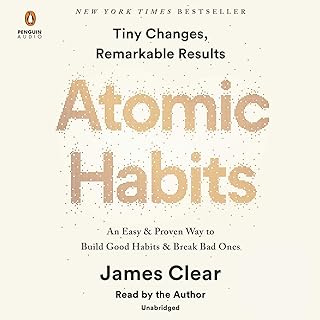
Atomic Habits by James Clear – 4.8 rating, often free on Audible. The definitive guide to building habits that stick through tiny, consistent changes.

No Excuses! by Brian Tracy – 4.7 rating, $8.66. A no nonsense manual on taking control of your life through disciplined daily action.

Discipline Equals Freedom by Jocko Willink – 4.7 rating, $12.93. A field manual for building mental and physical toughness through unyielding consistency.
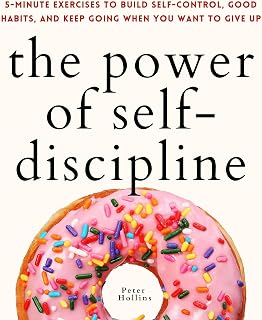
The Power of Self-Discipline by Peter Hollins – 4.4 rating, free on Kindle Unlimited. Offers 5 minute exercises to build self control and keep going.

Mindful Self-Discipline by Giovanni Dienstmann – 4.7 rating, free on Audible. Blends mindfulness with consistency to achieve goals without burnout.
Comparison Table of Top Self Discipline Books
| Product | Rating | Price | Key Focus | Buy at Amazon |
|---|---|---|---|---|
|
4.8 | $0.00 (Audible) | Tiny habits, consistent improvement | Buy Now |
|
4.7 | $8.66 | Taking control of your life | Buy Now |
|
4.7 | $12.93 | Daily discipline, mental toughness | Buy Now |
|
4.4 | $0.00 (Kindle) | 5 minute exercises, self control | Buy Now |
|
4.7 | $0.00 (Audible) | Mindfulness + consistency | Buy Now |
Each of these books reinforces the self discipline one word principle in its own way. Pick one, read it, and start applying the consistency concept today.
Common Mistakes That Undermine Your Consistency (and How to Fix Them)
Even with the right principle, people still trip up. Here are the biggest traps that break your consistency:
- Trying to do too much too fast. You start with a 90 minute workout, then crash. Solution: start with 5 minutes and increase slowly.
- Relying on motivation. Motivation fades. Discipline is about systems, not feelings. Create a non negotiable time slot.
- Not tracking progress. What gets measured gets done. Use a journal, app, or calendar to mark every day you show up.
- Allowing perfectionism to stop you. Missed a day? Get back on track immediately. Don’t let one slip become a spiral. Remember: never skip twice.
- Ignoring recovery. Consistency doesn’t mean grinding nonstop. Rest days are part of a consistent long term strategy. Plan them.
Practical Steps to Build Unshakable Self Discipline Using One Word
You now know the principle. Now let’s apply it. Follow these steps to turn consistency into your superpower:
- Choose one goal. Not three, not five. Just one. Focus all your energy on being consistent with that one thing for 30 days.
- Define the minimum viable action. What is the smallest version of the habit you can do every day? Write it down.
- Schedule it. Add it to your calendar with a specific time. Treat it like a meeting with the most important person: future you.
- Set up your environment. Remove friction. If you want to run, lay out your shoes the night before.
- Track your streak. Use a habit tracker app or a paper calendar. Don’t break the chain.
- Celebrate small wins. Every time you complete the action, give yourself a mental high five. This builds momentum.
- Review weekly. Ask: What worked? What got in the way? Adjust your approach, not your consistency.
Over time, the action becomes part of your identity. You no longer have to force it. You just do it. That’s the power of the one word.
Frequently Asked Questions
What is the one word for self discipline?
The word is consistency. While self discipline encompasses many skills, consistency is the single principle that makes sticking to goals feel easier. Without consistency, willpower fades. With consistency, results compound automatically.
How can I be more consistent with my goals?
Start small. Choose one action, do it daily, and never skip twice. Use a tracker to keep yourself accountable. Remove obstacles from your environment. And forgive yourself quickly when you slip. The key is to make consistency your primary focus, not intensity.
Can self discipline be learned?
Absolutely. Self discipline is a skill, not a fixed trait. You build it through repeated practice of consistent small actions. Books like Atomic Habits and No Excuses! provide proven frameworks to train this muscle.
What is the difference between discipline and consistency?
Discipline is the choice to act despite resistance. Consistency is the repeated application of that choice over time. Discipline gets you started; consistency keeps you going. Both are necessary, but consistency is the engine of long term success.
Why does consistency feel so hard at first?
Your brain prefers familiar patterns. Starting a new habit requires conscious effort. But after about two to three weeks of consistent repetition, the neural pathways strengthen and the action begins to feel automatic. The initial resistance is temporary. Push through it.
Final Thought: Make Consistency Your Only Rule
You now hold the answer to the search for self discipline one word. It’s not a secret technique or a rare personality trait. It’s the simple, boring, beautiful act of showing up again and again.
When you stop trying to be perfect and start aiming for consistent, you remove the pressure. You allow yourself to be human. And you give your goals the time they need to grow.
Tomorrow morning, pick one thing. Just one. Do it for five minutes. Do it the next day. And the next. Watch how your life changes.
Because self discipline isn’t about being a hero for a day. It’s about being a little better every day. And that starts with one word: consistency.