
You want more self-discipline. You’ve tried the motivation hacks, the inspirational quotes, the “just do it” mentality. But something still holds you back. That’s where John Collins enters the picture.
John Collins isn’t a guru who promises overnight transformation. He’s a writer who understands that real self-discipline comes from daily, repeatable actions. His book Self Discipline: 30 Days to Self Discipline has helped thousands break the cycle of procrastination and build lasting willpower. But what exactly does his approach teach us? And how can you put it into practice starting this afternoon?
Let’s unpack the self-discipline John Collins method, compare it with other top resources, and give you a roadmap that works.
Table of Contents
Who Is John Collins and Why Does His Self-Discipline Philosophy Matter?
John Collins is the author of the popular series 30 Days to Greatness, with his self-discipline volume being the standout. Unlike many productivity authors who sell complex systems, Collins focuses on stripping away excuses. His core message? Discipline isn’t a talent you’re born with – it’s a muscle you train over thirty days.
What makes his approach different is its brutal simplicity. No elaborate planners, no apps that do the work for you. Collins argues that most people fail at self-discipline because they keep looking for shortcuts. Instead, he pushes you to face discomfort head-on and build momentum through small, non-negotiable daily wins.
“Self-discipline is not about making yourself do things you hate. It’s about making yourself do things you know you should do, even when you don’t feel like it.”
– John Collins
The Core Principles of Self-Discipline According to John Collins
To truly understand self-discipline John Collins style, we need to break down his key principles.
1. The 30-Day Reset
Collins structures his entire program around a 30-day challenge. The idea is simple: commit to one disciplined action for 30 days straight. This could be waking up at 5 a.m., writing for 30 minutes, or exercising daily. By the time you hit day 30, that action becomes a habit – and your identity shifts.
He believes that thirty days is enough to rewire your brain without being so long that you quit. It’s a sweet spot between too easy and impossible.
2. Eliminate Excuses Before They Appear
Most of us spend more energy justifying why we can’t do something than actually doing it. Collins says you must pre-decide. Ask yourself: What excuse will my brain throw at me tomorrow morning? Then remove that excuse tonight.
For example, if you know you’ll skip your workout because your gym clothes aren’t ready, lay them out the night before. Collins calls this “building anti-excuse systems.”
3. Small Wins Every Single Day
You don’t need to change your entire life overnight. Collins urges readers to focus on one small win each day. That win doesn’t have to be big. It just has to be done.
The psychology behind it is powerful. Each small victory releases dopamine, which fuels motivation for the next task. Over thirty days, those small wins compound into massive transformation.
4. No Zero Days
In Collins’ world, a zero day – a day where you do absolutely nothing toward your goal – is unacceptable. Even if you only do one push-up or write one sentence, you move forward. This prevents the all-or-nothing trap that kills discipline.
5. Embrace Discomfort Willingly
Collins doesn’t sugarcoat it. Building self-discipline will hurt. Your brain will fight you. He teaches that instead of avoiding that discomfort, you should welcome it as the price of growth.
“Every time you choose discipline over comfort, you become a stronger version of yourself.”
How to Apply John Collins’ Approach Today
Theory is useless without action. Let’s turn these principles into a step-by-step plan that you can start right now.
Step 1: Pick ONE Non-Negotiable
Look at your life. What’s the one area where you need the most self-discipline right now? It could be health, work, finances, or relationships. Choose exactly one.
Write it down on a sticky note and put it on your mirror. For the next 30 days, that one thing gets your full attention.
Step 2: Create Your 30-Day Action Card
Grab a piece of paper. Draw 30 boxes. Each day, you tick one box when you complete your chosen action. No excuses. No exceptions.
Collins loves this visual progress tracker because it makes the abstract feel concrete. Missing a day leaves an empty box – and that empty box will haunt you.
Step 3: Remove Three Excuses Tonight
Before you sleep tonight, identify three excuses that could sabotage your new discipline. Then eliminate them.
- Want to wake up early? Move your phone charger out of the bedroom.
- Want to eat healthier? Throw away the junk food now.
- Want to write a book? Uninstall social media from your phone.
Step 4: Start Smaller Than You Think You Need
If your goal is to exercise 30 minutes a day, start with five minutes. Collins argues that discipline is about showing up, not performing. Once you build the showing-up habit, you can increase the intensity.
Step 5: Track Your Progress and Reward Smartly
At the end of each week, review your tick marks. Celebrate wins, but don’t drift into complacency. Collins suggests a simple reward on day 30 – something that reminds you of the new identity you’ve built.
How John Collins Compares to Other Self-Discipline Experts
No single approach works for everyone. Let’s see how the self-discipline John Collins method stacks up against other heavy hitters.
| Aspect | John Collins | James Clear (Atomic Habits) | Jocko Willink (Discipline Equals Freedom) | Brian Tracy (No Excuses!) |
|---|---|---|---|---|
| Core Method | 30-day challenge | 1% daily improvement + habit stacking | Extreme ownership, physical and mental toughness | Self-discipline as a skill to be practiced daily |
| Time Frame | 30 days | Habit formation takes 66+ days | Life-long commitment | Immediate application |
| Focus Area | Mindset and excuses | Systems and environment | Leadership and resilience | Performance and productivity |
| Best For | Beginners who need a kickstart | People who love data and structure | Those who need tough love | Busy professionals wanting practical steps |
| Pricing | Free on Kindle (often) | $0.00 (audiobook) or $11.39 (hardcover) | $12.93 (paperback) | $8.66 (paperback) |
As you can see, Collins wins for simplicity. If you’ve read Atomic Habits and still feel stuck, the 30-day reset may be exactly what you need to break inertia.
Real Resources to Deepen Your Self-Discipline
Ready to take action? Here are the top books that align with John Collins’ philosophy. Each one offers a unique angle on building unshakable self-control.

Self Discipline: 30 Days to Self Discipline – John Collins’ own masterpiece. This short, punchy guide gives you the exact framework used by thousands to build discipline. (Price: $0.00 with Kindle Unlimited, Rating: 4.3)

No Excuses!: The Power of Self-Discipline – Brian Tracy’s timeless classic. If Collins gives you the 30-day jumpstart, Tracy hands you a lifetime toolkit. (Price: $8.66, Rating: 4.7)

Discipline Equals Freedom – Jocko Willink’s no-nonsense field manual. Perfect for those who respond to raw, military-style motivation. (Price: $12.93, Rating: 4.7)
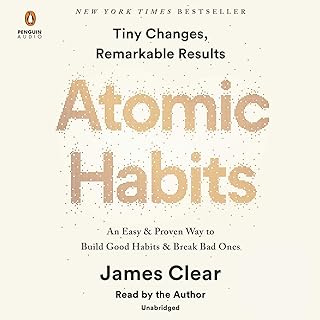
Atomic Habits – James Clear’s system for building good habits and breaking bad ones. Pair this with Collins for a complete self-discipline arsenal. (Price: $0.00 with Audible, Rating: 4.8)
Quick Comparison of Top Self-Discipline Books
| Product | Price | Rating | Best For | Buy on Amazon |
|---|---|---|---|---|
|
$0.00 | 4.3 | Short, actionable 30-day challenges | Buy now |
|
$8.66 | 4.7 | Comprehensive self-discipline training | Buy now |
|
$12.93 | 4.7 | Tough-love motivation | Buy now |
|
$0.00 | 4.8 | Science-based habit formation | Buy now |
Why Most People Fail at Self-Discipline (According to John Collins)
Collins identifies three common traps.
Trap 1: Motivation Dependency. You wait until you feel ready. But feelings change daily. Discipline acts regardless of how you feel.
Trap 2: Perfectionism. You miss one day and think “I’ve ruined everything.” Collins says missing one day is fine – missing two starts a streak of failure.
Trap 3: Overcomplication. You buy apps, planners, and programs. Complexity becomes an excuse not to start. Keep it simple.
How to Handle a Relapse (Because It Will Happen)
Even John Collins admits he stumbles. The key is not the mistake, but how quickly you recover.
If you skip a day, do this:
- Forgive yourself immediately.
- Identify why you skipped (was it lack of preparation? fatigue?).
- Reinforce your system so it doesn’t happen again.
- Get back on track the next day – no guilt allowed.
“Self-discipline is not about never falling. It’s about how fast you get up.”
Real Life Success Stories Using John Collins’ Method
Samantha, a working mom of two, used the 30-day rule to wake up at 5:30 a.m. for exercise. She had failed at every fitness plan before. But the one-action focus of Collins gave her the clarity she needed.
After 30 days, she had lost 8 pounds and gained an hour of quiet time each morning. Her energy levels soared.
Mark, a college student, applied the same strategy to his studies. For 30 days, he studied one hour before touching his phone. His GPA jumped from 2.8 to 3.6.
These aren’t exceptions. They are the natural result of building momentum through small, daily wins.
Advanced Tactics: Layering Multiple Disciplines
Once you’ve completed one 30-day challenge successfully, you can stack another. Collins recommends waiting two weeks before adding a new discipline. This prevents overwhelm.
For example:
- Month 1: Wake up at 5:00 a.m.
- Month 2: Add 20 minutes of reading.
- Month 3: Add daily meditation.
Each layer reinforces the previous one. Your self-discipline becomes a fortress.
Frequently Asked Questions About Self-Discipline and John Collins
What is the best John Collins book for self-discipline?
The most direct is Self Discipline: 30 Days to Self Discipline (also sold as part of the 30 Days to Greatness series). It’s a concise, no-fluff guide that walks you through the daily actions. You can grab it for free on Kindle Unlimited.
How is John Collins different from other self-discipline authors?
Collins focuses exclusively on a 30-day sprint rather than a lifelong system. If you’re stuck in analysis paralysis, his method forces you into action immediately. He’s less scientific than James Clear and less aggressive than Jocko Willink, but that middle ground works for many beginners.
Can I really build self-discipline in 30 days?
Yes – if you define discipline as a consistent habit rather than a finished state. Collins doesn’t claim you’ll be perfect after 30 days. He claims you’ll have built enough momentum to make the habit feel easier. The real work continues after day 30, but the hardest part – starting – will be behind you.
What if I miss a day during the 30-day challenge?
Don’t restart. Just pick up where you left off. Collins says that if you miss a day, you extend the challenge by one day. This prevents the “I failed so let’s quit” mentality.
Are there any online communities for John Collins’ readers?
Yes, many Facebook groups and Reddit threads (r/selfdiscipline, r/NonZeroDay) discuss his methods. The NonZeroDay philosophy aligns closely with Collins’ “no zero days” rule.
How do I stay disciplined when I travel or have a busy schedule?
Collins recommends creating a travel version of your habit. If you can’t do your full workout, do ten pushups. If you can’t study for an hour, read one page. The key is maintaining the streak, not the intensity.
Your Next Step: Own the Morning
If you take only one thing from this deep dive, let it be this: Self-discipline is built in the first hour of the day.
John Collins argues that how you start your morning determines the rest of your day. If you win the morning, you win the day. If you lose the morning, you’re already fighting uphill.
So set your alarm 30 minutes earlier tomorrow. No snooze. No phone scrolling. Get up, drink water, and do your one non-negotiable action.
Do that for 30 days. Then come back and tell us how much your life changed.
Because here’s the truth – you already have the power. You just need to train it. And with the self-discipline John Collins approach, you’ve now got the blueprint.