
If your nine-year-old melts down over a tough math problem, zones out during homework, or blurts out answers in class, you're not alone. Self regulation 9 year old is one of the most searched topics by parents and teachers — and for good reason. At this age, kids are expected to manage their emotions, sustain attention, and make smart choices, yet their brains are still wiring those very skills.
The good news? Self-regulation can be taught, practiced, and strengthened, just like a muscle. And the skills your child builds now will shape their success in school, friendships, and later in life.

Table of Contents
What Does Self Regulation 9 Year Old Really Mean?
Self-regulation is the ability to control your thoughts, emotions, and behaviors in the service of a goal. For a nine-year-old, that looks like:
- Pausing before reacting when frustrated
- Staying focused on a task despite distractions
- Managing disappointment when something doesn't go their way
- Making choices that align with rules or long-term rewards
At nine, children enter a sweet spot of development. Their prefrontal cortex — the brain's "CEO" — is becoming more active. They can think about thinking, understand cause and effect, and use strategies like self-talk. But emotional impulses are still strong. That's why self regulation 9 year old strategies must address both the mind and the body.
Why Focus Is So Hard at Nine
Nine-year-olds typically have an attention span of 20 to 30 minutes for a single task — less if they're tired, hungry, or overstimulated. Combine that with classroom noise, digital distractions at home, and increasing academic demands, and you have a recipe for drifting attention.
Common focus struggles include:
- Starting homework but getting stuck after five minutes
- Daydreaming during teacher instructions
- Forgetting what they were supposed to do next
- Needing constant reminders to stay on task
These aren't signs of laziness. They're signs that the brain's self-regulation system needs more support.
Strategies for Focus: Helping Your 9 Year Old Stay on Track
1. Break Tasks into Bite-Sized Chunks
Nine-year-olds can't hold a complex, multi-step project in their head. Help them break it down.
- Use a visual checklist with 3–5 steps
- Set a timer for 15 minutes of work, then a 5-minute break
- Celebrate each completed chunk (a sticker, a high-five, a dance break)
2. Create a "Focus-Friendly" Environment
Where your child works matters as much as how.
- Remove phones, tablets, and other screens during homework time
- Use a quiet, clutter-free desk or table
- Provide noise-cancelling headphones if needed
- Keep supplies ready so they don't get up every few minutes
3. Teach "Self-Talk" for Attention
Show your child how to whisper to themselves: "I'm working on my math now. I will finish this row, then take a breath."
This simple technique strengthens the brain's ability to refocus. It's a core part of self regulation 9 year old training.
4. Use the "Two-Minute Rule"
When a task feels overwhelming, ask: "Can you just start for two minutes?" Most kids will keep going once they begin. This lowers the barrier to entry and builds momentum.
Building Frustration Tolerance: The Emotional Side of Self-Regulation
Frustration tolerance is often the missing piece for nine-year-olds. They may have the focus to start a task but lack the emotional stamina to push through difficulty.
Signs of low frustration tolerance:
- Throwing down the pencil and saying "I can't do this"
- Crying or yelling when a problem is hard
- Giving up immediately after a mistake
- Avoiding challenges altogether
1. Name the Emotion, Then Problem-Solve
When your child is frustrated, try:
"I see you're feeling really frustrated. That's okay. Let's take three deep breaths, and then we'll figure out what part is tricky."
Naming the emotion calms the amygdala — the brain's alarm system — and opens the door to rational thinking.
2. Teach the "Stop, Think, Choose" Method
- Stop – put down the pencil, close eyes, take a breath
- Think – "What do I need right now?" (a break, help, a different approach)
- Choose – one action (ask for help, try a different strategy, take a short break)
Practice this routine when your child is calm. That way, it becomes automatic during stress.
3. Use Deliberate Practice with Low-Stakes Challenges
Set up small, manageable frustrations at home. A puzzle that's slightly too hard. A game where they lose sometimes. A recipe that requires patience.
Each time they persist, they build frustration tolerance and the confidence to handle bigger setbacks at school.
4. Model Your Own Frustration Management
Kids learn more from what you do than what you say. When you feel frustrated, say aloud:
"Ugh, I'm so annoyed that this isn't working. I'm going to take a breath and try again."
This shows your child that frustration is normal — and manageable.
Better Choices at School: Decision-Making Skills for Nine-Year-Olds
Making good choices throughout the school day — from following directions to managing peer pressure — is a practical application of self regulation 9 year old skills.
1. Teach "If-Then" Planning
Help your child create simple plans:
- "If I feel like blurting out, then I will raise my hand."
- "If I finish my work early, then I will read my book."
- "If someone teases me, then I will walk away and tell the teacher."
These if-then plans work because they offload decision-making to a pre-set rule. The brain doesn't have to think; it just executes.
2. Use Reflective Questions Instead of Lectures
After a poor choice, ask:
- "What happened?"
- "What were you trying to do?"
- "What could you do differently next time?"
This approach builds metacognition — the ability to think about your own thinking — which is central to self regulation 9 year old growth.
3. Practice Role-Playing Scenarios
Act out common school situations:
- A friend wants to copy your homework
- The teacher gives a surprise quiz
- You don't understand the instructions
Let your child practice responses in a safe environment. They'll be more prepared when the real moment comes.
4. Create a Simple "Good Choices" Chart
| Situation | Good Choice | Not-So-Good Choice |
|---|---|---|
| I'm bored during a lesson | Doodle in my notebook | Talk to my neighbor |
| Someone cuts in line | Tell the teacher nicely | Push them |
| I forgot my homework | Tell the teacher honestly | Make up an excuse |
Review the chart together weekly. Celebrate the good choices with specific praise.
The Role of Self-Discipline in Self Regulation
Self-discipline is the engine behind self-regulation. It's the ability to do what needs to be done, even when you don't feel like it. For a nine-year-old, self-discipline might mean finishing homework before playing video games, or choosing a healthy snack over candy.
As a parent, strengthening your own self-discipline benefits your child directly. When you model consistency, delayed gratification, and emotional control, your child internalizes those habits.
Here are some highly rated books that can help both you and your child build self-discipline:

Atomic Habits by James Clear (4.8 rating) offers a framework for building small habits that stick. The ideas about environment design and "habit stacking" are perfect for creating routines that support self regulation 9 year old development.

Discipline Equals Freedom by Jocko Willink (4.7 rating) is a no-nonsense field manual that can inspire older kids and parents alike. Its direct message — "discipline equals freedom" — is a powerful mantra to teach your child.
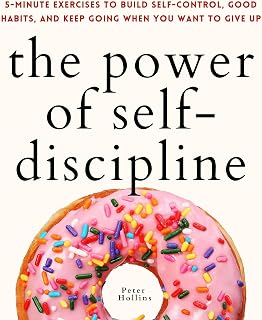
The Power of Self-Discipline: 5-Minute Exercises (4.4 rating) is perfect for busy parents. Short, actionable exercises you can do in five minutes a day to build self-control. Use them alongside your child's practice.

Mindful Self-Discipline (4.7 rating) blends mindfulness with habit formation. It teaches you to pause, reflect, and choose intentionally — the exact skills you want your nine-year-old to learn.
Practical Toolkit: Daily Habits That Build Self Regulation in 9 Year Olds
Morning Routine
- Wake up at the same time daily
- Use a visual checklist: brush teeth, get dressed, eat breakfast, pack bag
- Allow 10 minutes of free play or reading before school
After-School Routine
- Unwind for 15–20 minutes (snack, movement, chat)
- Start homework within that window (before screens)
- Use a "homework first, screens later" rule
Evening Routine
- Limit screens at least 1 hour before bed
- Read a book together and talk about the day
- Review the next day's schedule
Weekly Rituals
- Sunday night: plan the week ahead (calendar, chores, goals)
- Friday night: celebrate wins from the week
- One-on-one time: 10 minutes of undivided attention each day
Consistency is more important than perfection. Even a 70% consistent routine builds the neural pathways for self-regulation.
Comparing Top Self-Discipline Books for Parents and Kids
If you're looking to deepen your understanding and support your child's self regulation 9 year old journey, these books offer practical, evidence-based guidance. Here's a comparison of the most popular options:
| Product | Price | Rating | Description | Buy at Amazon |
|---|---|---|---|---|
|
$0.00 (Audible) | 4.8 | Easy habit-building system using small changes. Perfect for creating family routines. | Buy Now |
|
$12.93 | 4.7 | Motivational field manual. Direct, powerful messages for building mental toughness. | Buy Now |
|
$0.00 (Audible) | 4.4 | 5-minute daily exercises to build self-control. Great for busy parents. | Buy Now |
|
$0.00 (Audible) | 4.7 | Mindfulness + discipline. Teaches pausing and choosing intentionally. | Buy Now |
|
$8.66 | 4.7 | Classic self-discipline guide. Action-oriented and practical. | Buy Now |
 |
$6.95 | 4.7 | Short, inspiring stories about how small actions change everything. | Buy Now |
Tip: Pair one of these books with a kid-friendly self-regulation workbook. The combination of parent learning and child practice accelerates progress.
Frequently Asked Questions About Self Regulation 9 Year Old
What are signs of poor self-regulation in a 9-year-old?
Common signs include frequent tantrums or meltdowns over small frustrations, trouble waiting turns, difficulty following multi-step instructions, impulsive blurting or interrupting, and giving up quickly on challenging tasks. These behaviors often make school and friendships harder.
Can self-regulation be taught at age 9?
Absolutely. The brain's prefrontal cortex is still developing rapidly at this age. Direct instruction, consistent routines, and practice with strategies like "Stop, Think, Choose" can strengthen self-regulation skills significantly. Most children show noticeable improvement within a few months of targeted support.
How much screen time is okay for a 9-year-old?
The American Academy of Pediatrics recommends no more than 1-2 hours of recreational screen time per day for children ages 6 and older. Excessive screen time, especially fast-paced games and videos, can overstimulate the brain and make self-regulation harder. Try a screen-free wind-down period before homework.
What should I do when my child has a meltdown over homework?
First, stop pushing. Take a break for deep breathing or movement. Come back when both of you are calm. Then break the task into smaller pieces. Validate their frustration: "This is really hard, and you're doing a great job trying." Avoid rewards or punishments during the meltdown; focus on co-regulation.
How can teachers support self-regulation in the classroom?
Teachers can use visual schedules, provide quiet corners for emotional breaks, offer fidget tools, teach breathing exercises, and give clear, consistent expectations. Positive reinforcement for effort and self-control works better than punishment. A classroom environment that normalizes mistakes helps build frustration tolerance.
When should I seek professional help?
If self-regulation difficulties are severe — such as daily violent outbursts, inability to function in school, extreme social withdrawal, or trouble with basic routines — consider consulting a child psychologist or occupational therapist. Early intervention makes a huge difference.
Final Thoughts: You're Building a Foundation for Life
Raising a nine-year-old who can focus, handle frustration, and make good choices isn't about quick fixes. It's about patience, consistency, and teaching skills one small moment at a time.
Every time you help your child pause before reacting, or break a big task into small steps, you're wiring their brain for a future where they can handle whatever life throws at them. That's the real power of self regulation 9 year old strategies.
You've got this. And your child will surprise you with how much they can grow when given the right tools and a little bit of trust.
Now go make that bed, take a breath, and show them what self-discipline looks like.