
If you have a seven year old who melts down when told to stop watching a show, grabs a toy from a sibling, or struggles to finish a simple chore, you are not alone.
That moment when your child knows the right thing to do but just cannot do it yet is not a sign of bad parenting or a difficult kid. It is a sign that their self regulation skills are still under construction.
Self regulation 7 year old is the ability to manage emotions, control impulses, and make thoughtful choices without constant adult intervention. It is the foundation of lifelong self-discipline. And the good news? You can teach it with simple, coach-like tools that feel more like play than punishment.
In this guide you will learn exactly what self regulation looks like at age seven, why it matters more for long term success than early reading or math skills, and how to use practical strategies that turn meltdowns into teachable moments.
Table of Contents
What Is Self Regulation 7 Year Old?
At its core, self regulation is the brain’s ability to pause before reacting. For a seven year old, this means:
- Stopping themselves from hitting when angry
- Waiting for a turn without whining
- Cleaning up a mess without being told five times
- Handling disappointment without a full meltdown
Think of self regulation as the engine of self-discipline. Without it, no amount of rules or rewards will stick. With it, your child builds the internal muscle to make better choices even when you are not watching.
Self Regulation vs Self-Discipline
Many parents confuse these two terms. Here is the simple breakdown:
| Self Regulation | Self-Discipline |
|---|---|
| Managing emotions and impulses in the moment | Consistent action toward long term goals |
| Reactive control (stop, breathe, think) | Proactive habits (routine, focus, perseverance) |
| Develops naturally through coaching | Built on a foundation of self regulation |
A child who can self regulate is ready to learn self-discipline. That is why teaching self regulation 7 year old skills is the most effective way to raise a disciplined, resilient child.
Why Age Seven Is a Critical Window
Between ages six and eight, the prefrontal cortex the part of the brain responsible for self control undergoes a major growth spurt. This is why seven year olds are suddenly capable of more complex thinking but still struggle when emotions run high.
At this age, children can:
- Understand cause and effect
- Follow multi-step instructions
- Feel genuine empathy
- Experience frustration when they fail
But they also:
- Still have limited working memory
- Tire easily from mental effort
- Need external structure to build internal control
This makes self regulation 7 year old a perfect target for intentional teaching. The brain is ready. The environment just needs to support it.
Simple Coach-like Tools for Better Choices
A coach does not scream from the sidelines. A coach guides, models, and celebrates small wins. Here are five practical tools that use that same approach.
Tool 1: The Pause Button Technique
When your child is about to throw a block or scream because dinner is not ready, teach them to press an imaginary pause button.
- Say: “Let’s hit pause. Breathe in for four seconds. Now out for four seconds.”
- Use a physical object like a small toy or a sticker on their wrist as a reminder.
- After the pause, ask: “What do you want to do next?”
This simple tool rewires the brain’s response to triggers. Over time, the pause becomes automatic.
Tool 2: The Two-Choice Rule
Seven year olds crave control. Giving them two acceptable options reduces power struggles and builds decision making skills.
- Instead of “Clean your room now,” say: “Do you want to put away your dinosaurs first or your books first?”
- Instead of “Stop arguing,” say: “Do you want to solve this with a calm voice or take a five minute break?”
The key is that both choices lead to a good outcome. This teaches self regulation 7 year old children that they have the power to choose wisely.
Tool 3: The Feelings Thermometer
Post a simple visual chart with colors:
- Green: Calm and ready
- Yellow: A little frustrated or excited
- Red: Really angry or overwhelmed
When your child is in yellow, coach them to use a cooling strategy (drink water, squeeze a pillow, draw for two minutes). When in red, they need quiet time and co-regulation with you.
This tool builds emotional awareness. Your child starts to recognize their own states before they explode.
Tool 4: The One-Minute Challenge
Self regulation takes mental energy. Short, fun challenges build stamina.
- “Can you sit still for one minute without talking?”
- “Can you put away three toys before the timer beeps?”
- “Can you whisper for the next two minutes?”
Celebrate every success. The goal is not perfection but practice.
Tool 5: The “I Notice” Statement
Instead of pointing out what your child did wrong, describe what you see without judgment.
- “I notice you are tapping your foot. Are you feeling impatient?”
- “I notice you put your shoes in the basket without being asked. That shows responsibility.”
This builds a reflective mindset. Over time, your child internalizes the language of self observation.
How to Build Self Discipline Through Daily Routines
Self regulation is the how, self discipline is the what. Once your child can pause and choose, you can layer on habits that build long term discipline.
Morning Routine Coach
A predictable morning sequence reduces decision fatigue. Use a picture chart:
- Wake up, make bed, brush teeth, get dressed, eat breakfast.
- Allow your child to check off each step. Do not micromanage.
- If they skip a step, let them experience the natural consequence (cold breakfast, missing a toy).
This teaches ownership. Self regulation 7 year old children thrive when they know what is expected and are trusted to follow through.
Homework and Focus
Seven year olds have short attention spans. Use the Pomodoro technique adapted for kids:
- Set a timer for 10 minutes of focused work.
- Follow with 3 minutes of movement or a silly dance.
- Repeat two to three times.
This prevents overwhelm and trains the brain to sustain effort.
Screen Time Boundaries
Digital devices are the ultimate test of self discipline. Set clear rules:
- No screens before morning routine is done.
- Use a visual timer for when screen time ends.
- When the timer goes off, coach your child to close the device and breathe once before moving on.
Struggling with screen addiction? The book Digital Self-Discipline offers powerful strategies for breaking free from dopamine traps. For parents and children alike, this is a must read.
Recommended Books for Parents Who Want to Model Self-Discipline
Children learn self regulation by watching us. If you want your seven year old to make better choices, you need to strengthen your own self-discipline too. These resources will help.
Top Picks for Building Self-Discipline as a Family
| Book Title | Price | Rating | Image & Buy Link |
|---|---|---|---|
| Atomic Habits by James Clear | $0.00 (Audible) | 4.8 |  |
| The Four Agreements by Don Miguel Ruiz | $7.05 | 4.7 | 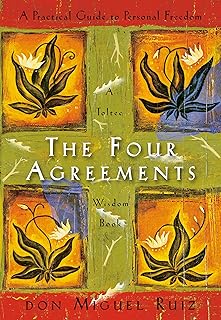 |
| Discipline Equals Freedom by Jocko Willink | $12.93 | 4.7 |  |
| Stoic Self-Discipline by Marcus Zane | $19.99 | 4.7 |  |
| The Power of Self-Discipline by Peter Hollins | $0.00 (Audible) | 4.4 | 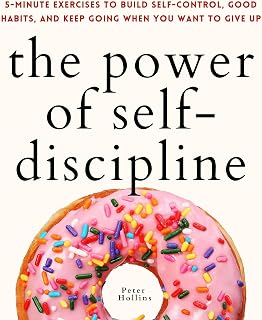 |
| Mindful Self-Discipline by Giovanni Dienstmann | $0.00 (Audible) | 4.7 |  |
Atomic Habits is a phenomenal resource for parents who want to understand how tiny changes lead to big results. The simple frameworks apply directly to helping a self regulation 7 year old build better habits.
The Four Agreements teaches principles of personal freedom that you can model for your child. Agreements like “Be impeccable with your word” and “Don’t take anything personally” are powerful lessons for any age.
Discipline Equals Freedom by Jocko Willink is a field manual for mental toughness. While written for adults, the raw, no excuses philosophy can inspire parents to show up stronger every day.
Stoic Self-Discipline dives into ancient secrets of self control. Its 33 strategies are practical enough to adapt for family life.
The Power of Self-Discipline offers five minute exercises perfect for busy parents. The short dosage makes it easy to practice consistently.
Mindful Self-Discipline focuses on living with purpose despite distractions. A great read for anyone struggling to stay focused in a noisy world.
Real Life Example: From Meltdown to Mastery
Let us put all this together. Imagine your seven year old is playing a video game and you tell them it is time to stop.
Before coaching (no self regulation):
They scream, slam the tablet, and cry for fifteen minutes. You feel angry and guilty.
With coach-like tools:
- Give a five minute warning. “Two more levels, then pause.”
- When time is up, say “Remember the pause button? Let’s press it together.”
- Breathe for four seconds. “Now you can choose: close the game yourself, or I will help you close it.”
- After they choose, say “I notice you handled that calmly. That takes strength.”
Within a few weeks, your child learns to regulate the transition. They still feel disappointed, but they can manage it.
Frequently Asked Questions About Self Regulation 7 Year Old
What is the difference between self regulation and self-discipline in a 7-year-old?
Self regulation is the immediate ability to pause, calm down, and think before acting. Self-discipline is the longer term habit of sticking with something important even when you do not feel like it. Self regulation is the foundation; self-discipline is the house built on top.
At what age do children develop self regulation?
The brain’s self control centers start maturing around age three but really accelerate between six and eight. Seven is a sweet spot because children are cognitively ready for coaching but still emotionally dependent on adults.
Can a 7-year-old learn self regulation without punishment?
Absolutely. Punishment often triggers more dysregulation. Coach like a sports trainer: model, practice, correct, and celebrate. You do not need to punish a child for missing a ball during practice. You just help them try again.
How can I help my 7-year-old with self regulation at school?
Talk to the teacher about using calming corners, visual schedules, and break cards. At home, role play common school scenarios like asking to use the bathroom or handling a disagreement. Practice makes the brain stronger.
What books can help parents teach self regulation?
The books listed above are excellent. In particular, The Power of Discipline by Rian Stone offers practical strategies for using self control to achieve goals. Discipline Is Destiny by Ryan Holiday combines stoic wisdom with modern application.
Is it normal for a 7-year-old to struggle with self regulation?
Yes. It is developmentally typical. In fact, many children this age still need significant support to regulate emotions. The key is to see struggles as opportunities to build skills, not as misbehavior.
How do I teach self discipline to a child who hates following rules?
Focus on autonomy through the two-choice rule. Connect rules to values (“We do homework because we care about learning”). Use modeling: let your child see you doing hard things and managing your own frustration.
Final Coach Talk
Teaching self regulation 7 year old is not about creating a perfect robot child. It is about equipping a small human with the tools to navigate big feelings and tough choices.
You will see progress in small moments: a deep breath instead of a scream, a quiet turn instead of a grab, a proud smile after finishing a chore without being reminded.
Each of those moments is a brick in the foundation of self-discipline. And you are the coach who helps place them.
Start with one tool from this article today. Use it for a week. Then add another. Your child will not change overnight, but the direction will shift.
And that direction leads toward confidence, resilience, and the kind of inner strength that lasts a lifetime.