
Picture this: You’re three weeks into a new workout routine. Yesterday you crushed it. Today you can’t even find your sneakers. You’re not lazy. You’re not broken. You just haven’t mapped out the invisible forces steering your choices yet.
That’s exactly where a self regulation chart becomes your secret weapon. It’s a simple, structured way to see what sets you off, how you respond, and where you’re actually making progress. Think of it as the dashboard for your self-discipline engine.
In this article, you’ll learn how to build one, use it daily, and finally stop wondering why some days flow and others feel like wading through mud.
Table of Contents
What Is a Self Regulation Chart?
A self regulation chart is a tracking tool that records your emotional state, the triggers that led there, your behavior as a result, and the outcome. It turns fuzzy feelings into concrete data.
At its core, it answers four questions:
- What happened?
- How did I feel?
- What did I do?
- What was the result?
Over time, patterns emerge. You see that after 3 PM you reach for sugary snacks when stressed. Or that skipping your morning walk makes you irritable all day. That awareness is the first step toward real self-discipline.
For example, the book Atomic Habits by James Clear explains that behavior change starts with awareness. A self regulation chart is the ultimate awareness tool. And if you want to dive deeper into building unshakable habits, pick up a copy. It’s currently rated 4.8 stars and often available for free on audio.
Why a Self Regulation Chart Boosts Self-Discipline
Self-discipline isn’t about grinding through pain every day. It’s about making the right choice easier when temptation strikes. A chart helps you spot the exact moment before you cave.
Here’s what it does:
- Reveals hidden triggers – You learn the specific people, places, or times that weaken your resolve.
- Tracks improvement over weeks – You see your emotional responses shift from reactive to calm.
- Builds accountability – When you write it down, you’re less likely to ignore a slip-up.
- Strengthens your “pause” muscle – The act of charting forces you to slow down and think.
In short, it’s the difference between guessing and knowing.
How to Spot Triggers Using a Self Regulation Chart
Your triggers are the events or thoughts that spark an emotional reaction. They can be external (a rude email) or internal (a memory that makes you anxious). A self regulation chart catches them in the wild.
Step 1: Create Your Chart
You can use a simple notebook, a spreadsheet, or a habit tracking app. Include these columns:
| Time | Trigger Situation | Emotion (1-10) | Response | Outcome |
|---|---|---|---|---|
| 8:00 AM | Traffic jam | Anger (7) | Yelled at driver | Late, guilty |
| 10:30 AM | Colleague criticism | Defensiveness (6) | Snapped back | Tense meeting |
Step 2: Log Every Episode for One Week
Don’t judge. Just record. Be honest. Write down both “good” and “bad” triggers.
Step 3: Look for Patterns
After a week, highlight repeated triggers. Maybe every time you open social media before bed, you feel anxious and scroll for an hour. That’s your trigger.
Step 4: Prepare a Pre-Trigger Plan
Now that you know, you can act. For the social media example, decide: “When I feel the urge to open Instagram at 10 PM, I will read one page of Discipline Equals Freedom instead.” Jocko Willink’s field manual is a brutally direct guide to building that kind of mental toughness.
How to Track Progress (Without Obsessing Over Perfection)
Tracking progress with a self regulation chart isn’t about scoring 100% every day. It’s about noticing trends. Did you react more calmly this week than last? Did your trigger frequency drop?
What to Measure
- Number of trigger episodes per day or week.
- Emotion intensity (scale from 1 to 10).
- Recovery time – how quickly you return to baseline after a trigger.
- Positive responses – times you handled a trigger well.
Example Progress Table
| Week | Trigger Episodes | Avg Intensity | Positive Responses |
|---|---|---|---|
| 1 | 14 | 7.2 | 3 |
| 2 | 10 | 6.1 | 5 |
| 3 | 8 | 5.3 | 7 |
See the trend? Even if you still have bad days, the overall direction matters.
How to Improve Daily Using Your Chart
The real magic happens when you use your chart to make tiny, daily adjustments. Here’s a practical system:
Morning: Review Yesterday
Look at yesterday’s entries. Ask: “What one thing can I do today to avoid yesterday’s biggest trigger?”
Midday: Quick Check-In
Take 30 seconds after lunch to note your current emotion and any recent triggers. This catches the slow build of stress.
Evening: Log and Reflect
Fill in your chart for the day. Then pick one win and one lesson. Write them down.
Weekly: Adjust Your Environment
If your chart shows you always get distracted at 2 PM, schedule your most important work before lunch. If you get triggered by certain people, set boundaries.
This cycle of track → reflect → adjust is exactly what The Power of Discipline advocates. With a 4.6-star rating and over 11,000 reviews, it’s a go-to manual for using self-control to hit your goals. Give it a read.
Deep Dive: Building a Full Self Regulation Chart System
Let’s go beyond the basics. A robust self regulation chart includes columns for:
- Situation (who, what, where, when)
- Thought (what went through your mind)
- Emotion (name it: anger, anxiety, boredom, excitement)
- Physical Sensation (racing heart, tight chest, fatigue)
- Behavior (what you did – both automatic and chosen)
- Consequence (short-term and long-term result)
Example Entry
| Column | Entry |
|---|---|
| Situation | 3:00 PM, desk work, deadline approaching |
| Thought | “I’ll never finish this. I’m a failure.” |
| Emotion | Anxiety (8/10), shame (6/10) |
| Physical Sensation | Shoulders tense, shallow breathing |
| Behavior | Stopped working, opened YouTube |
| Consequence | Short-term relief, long-term guilt and more stress |
After logging this for a few days, you might realize that 3 PM is your “danger zone.” The solution? Move your hardest work to the morning and schedule a short walk at 2:45 PM to reset.
Integrating Self Regulation Charts with Self-Discipline Books
Many bestselling self-discipline books center on the same principle: know thyself. A self regulation chart puts that wisdom into practice.
Here are a few top resources you can use alongside your chart:

Brian Tracy’s classic is all about taking 100% responsibility. His no-nonsense approach pairs perfectly with a chart that demands honesty.

Brianna Wiest’s book, rated 4.7 with nearly 28,000 reviews, dives deep into why we self-sabotage. Use your chart to catch those patterns in real time.
Comparison Table of Popular Self-Discipline Books
| Product | Price | Rating | Key Focus | Buy at Amazon |
|---|---|---|---|---|
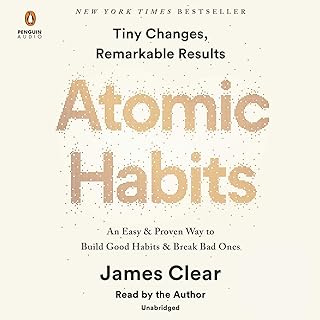 |
$0.00 (audio) | 4.8 | Habit formation, small changes | Buy Now |
 |
$16.83 | 4.6 | Self-control, mental toughness | Buy Now |
 |
$12.93 | 4.7 | Stoic discipline, actionable field manual | Buy Now |
|
$0.00 (audio) | 4.7 | Understanding self-sabotage, emotional mastery | Buy Now |
 |
$0.00 (audio) | 4.5 | Willpower, mental toughness, science-based | Buy Now |
Each book offers a different angle. Pick the one that speaks to your biggest struggle right now.
Advanced Insights: Habit Stacking and the Cue-Routine-Reward Loop
Charles Duhigg’s concept of the habit loop (cue, routine, reward) maps beautifully onto a self regulation chart. Your chart captures the cue (trigger), the routine (behavior), and the reward (outcome). Once you see the loop, you can rewrite it.
Example: Replacing a Bad Loop
- Cue (from chart): Boredom at 3 PM
- Old Routine: Grab a donut from the break room
- Old Reward: Sugar rush and brief pleasure
New plan: When the cue hits (3 PM boredom), do a new routine: walk outside for 5 minutes. The reward? Fresh air and a clear head.
Your chart tracks whether the new routine sticks. After a week, you can see if the walk reduces your overall stress.
Common Mistakes People Make with Self Regulation Charts
Even a good tool fails if used wrong. Here are the pitfalls to avoid:
- Too many columns – Start with just 4-5. You can expand later.
- Logging only bad episodes – Also record times you handled a trigger well to reinforce success.
- Forgetting to review – A chart you never look at is just scribbles. Set a weekly 10-minute review.
- Judging yourself harshly – The chart is data, not a report card. Use it to learn, not to shame.
- Giving up after a bad day – Consistency beats perfection. One blank day won’t ruin the experiment.
FAQ: Self Regulation Chart
What is a self regulation chart?
A self regulation chart is a structured tool used to record emotional triggers, behaviors, and outcomes. It helps you identify patterns in your reactions and track improvement over time, directly supporting self-discipline.
How do I start using a self regulation chart?
Begin with a simple table: time, trigger, emotion, response, and outcome. Log entries for at least one week without judging them. Then review for patterns and create an action plan.
Can a self regulation chart help with anxiety?
Yes. By tracking what triggers anxious thoughts and how you respond, you can identify coping mechanisms that work. Over time, you’ll notice which situations you can avoid and which you can handle better.
How is a self regulation chart different from a habit tracker?
A habit tracker focuses on whether you performed a specific behavior (e.g., worked out, read). A self regulation chart focuses on the emotional and situational context around behaviors, giving you deeper insight into why you do what you do.
What are the best books on self-discipline to pair with a chart?
Some top recommendations include:
All are available on Amazon with high ratings.
How long until I see results from using a self regulation chart?
Most people notice clearer patterns within 7 to 14 days. Behavior change takes longer, but the awareness you gain is immediate.
Your Next Step
You don’t need to overhaul your entire life overnight. Print a simple table. Grab a pen. Tonight, log one trigger and one win. Tomorrow, do it again. In a week, you’ll have a map of your own mind.
The self regulation chart is the simplest tool for the hardest job: changing yourself. And the people who use it consistently are the ones who stop making excuses and start making progress.
So go ahead. Start your chart today. Future you will thank you.