
Let's be honest. You've got a playlist full of "how to be productive" videos, yet here you are, three hours later, watching a man build a log cabin with zero tools. We've all been there. Self control Youtube isn't just about consuming content; it's about consuming the right content in a way that changes your behavior.
The problem isn't you. It's the type of video you're watching. Passive entertainment masquerades as self-improvement. The good news? When you curate your feed with the right formats, YouTube becomes one of the most powerful habit-building tools on the planet.
In this guide, we'll break down exactly which types of videos work, why they work, and how to turn watching into doing. We'll also explore some of the best books on the subject—like Atomic Habits and Discipline Equals Freedom—to give you a complete toolkit for lasting self-discipline.
Table of Contents
What Makes a YouTube Video Effective for Self-Control?
Not all self-discipline content is created equal. Before we dive into specific genres, let's look at the criteria that separate a game-changing video from a time-wasting rabbit hole.
- Actionable and specific. The best videos end with a clear next step. Not "be more disciplined," but "tomorrow morning, do two minutes of cold water after your shower."
- Evidence-based. Look for creators who cite psychology, neuroscience, or stoic philosophy. Fluff wears off fast.
- Relatable and human. Someone who openly struggles with procrastination is more inspiring than a guru who claims to be perfect.
- Accountable format. Videos that challenge you to do something during or immediately after watching have the highest follow-through rates.
The sweet spot is content that educates and creates a small emotional shift. You don't just learn a technique; you feel genuinely capable of using it.
The Best Types of Self Control Youtube Videos
Educational and Scientific Breakdowns
Why does willpower fade by evening? What's the dopamine cycle behind scrolling? Videos that explain the biology and psychology of self-control give you a mental map. Once you understand why your brain fights you, the excuses lose their power.
Look for creators who break down concepts like ego depletion, habit loops, and temptation bundling. They often reference books like The Science of Self-Discipline, which you can listen to while commuting. After watching a solid science explainer, you'll see your bad habits as simple neural patterns, not character flaws.
Key benefit: You move from guilt to strategy. You stop beating yourself up and start rewiring.
Motivational and Mindset Shifts
Yes, you need the emotional boost sometimes. But the trick is to choose speakers who pair motivation with a specific action. Jocko Willink's "Good" attitude, David Goggins's "Stay Hard" mantra, or Mel Robbins's "5 Second Rule" work because they force you to move now.
These videos are like a shot of espresso for your willpower. Use them strategically: before a workout, when you're about to procrastinate, or as your morning fuel. But don't binge them for hours. One impactful speech is enough to carry you through a tough day.
Books like No Excuses!: The Power of Self-Discipline by Brian Tracy combine motivational punch with practical frameworks. Pair a 10-minute video with a chapter from that book, and you'll have enough fire for the whole week.
Real-Life Accountability Vlogs
This is one of the most underrated categories. Creators who film their daily routines—study sessions, workout logs, "evening decisions"—show you discipline in the raw. There's no polish. You see them struggle, push through, and sometimes fail.
Why these work: social accountability. When you watch someone else wake up at 5 a.m. every day, a small part of your brain wants to keep up. You start to ask yourself, "If they can do it, why can't I?"
"Study with me" livestreams are a perfect example. Thousands of people sit together in silence, working. You can join in real time. It's like having an invisible gym buddy. After the session, you feel a sense of completion.
This is where The Mountain Is You fits in perfectly. Brianna Wiest's book teaches you to stop self-sabotage and start showing up for yourself. Watch an accountability vlog, then journal using her insights.
Step-by-Step Habit Tutorials
You need the "how." Not theory, but a literal checklist. Videos that say "Here's exactly how to set up a habit tracker" or "Three steps to stop checking your phone every five minutes" are gold.
These tutorials often use building blocks from Atomic Habits by James Clear. They show you how to make habits obvious, attractive, easy, and satisfying. After watching one of these, you should have a physical action to take: write your cue, set up your environment, or schedule your habit.
One pro tip: Take a screenshot of the key steps and make it your phone lock screen. That's immediate reinforcement.
Stoic and Philosophical Content
Stoicism is having a moment, and for good reason. Its teachings directly address self-control. Videos exploring Marcus Aurelius, Seneca, or Epictetus give you a mental model for enduring discomfort and focusing on what you can control.
These videos often ask you to reflect: "What would a stoic do right now?" The answer is usually something simple and uncomfortable. That's the point.
Pair them with Stoic Self-Discipline or Discipline Is Destiny by Ryan Holiday. The book gives you daily meditations; the video gives you a quick emotional reset. Together, they turn philosophy into practice.
Practical Guided Exercises
Sometimes you don't need a lecture. You need a coach. Guided meditation for focus, breathing exercises for emotional regulation, or even a 7-minute workout routine.
These videos require active participation. You hit play and do the thing. No scrolling, no note-taking. The key is that the habit happens during the video. That creates an immediate association between watching and doing.
For deeper practice, check out The Power of Self-Discipline: 5-Minute Exercises. It's packed with small drills you can do right after your guided session.
How to Avoid the YouTube Trap and Actually Follow Through
Watching is not doing. In fact, the brain often gets a small dopamine hit from watching someone else succeed, making you feel like you've already achieved something. This is called vicarious fulfillment, and it's the enemy of progress.
To break the cycle, use these four rules:
- Watch with a notebook. Write down one actionable takeaway before you close the video.
- Set a timer. Limit self control Youtube consumption to 15-20 minutes per day. Then act.
- Use the "one video, one action" rule. For every video you watch, do something physical related to it immediately.
- Unsubscribe from floaty content. If a video leaves you feeling inspired but unclear on what to do next, it's entertainment, not education.
The books we've mentioned act as anchors. Instead of jumping from video to video, read The Psychology of Self-Discipline while using YouTube only for quick reinforcement. That gives you a structured learning path.
Top Books to Deepen Your Self-Control Journey
YouTube is the spark. Books are the fuel. Here's a comparison of the most powerful resources you can add to your toolkit. Each one complements the video types we've discussed.
| Product | Price | Rating | Key Focus | Buy at Amazon |
|---|---|---|---|---|
| Atomic Habits | $0.00 (Audible) | 4.8 | Small daily habits, habit stacking, identity-based change | 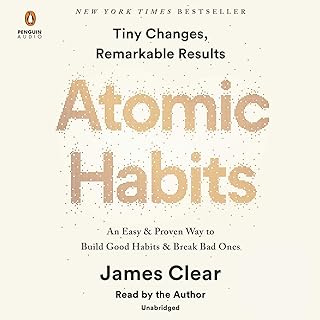 |
| No Excuses!: The Power of Self-Discipline | $8.66 | 4.7 | Practical discipline, time management, goal setting |  |
| Discipline Equals Freedom | $12.93 | 4.7 | Military-style mental toughness, daily action |  |
| The Mountain Is You | $0.00 (Audible) | 4.7 | Self-sabotage, emotional intelligence, self-mastery |  |
| The Power of Discipline | $16.83 | 4.6 | Willpower science, mental toughness, habit formation |  |
Each of these books offers a different angle. Choose based on where you're stuck: if you need a kick in the pants, go with "No Excuses!" or "Discipline Equals Freedom." If you're dealing with deeper self-sabotage, "The Mountain Is You" is a must. And if you want a scientific roadmap, "Atomic Habits" is the gold standard.
FAQ: Self Control Youtube & Self-Discipline Habits
Can YouTube actually help build self-control?
Yes, when used intentionally. The key is curating your feed for actionable, evidence-based content and immediately applying what you learn. Passive watching does the opposite; active watching with note-taking and follow-through creates real change.
How many hours of YouTube should I watch for personal development?
Limit yourself to 15-20 minutes per day of targeted self control Youtube content. Any more than that and you risk information overload or passive consumption. Use the remaining time to practice what you learned.
Best channels for self-discipline?
Look for creators who produce long-form educational videos, accountability vlogs, or stoic philosophy summaries. Avoid channels that rely on clickbait titles and empty motivation. Some reliable names: Thomas Frank (productivity), Improvement Pill (psychology), and Einzelgänger (stoicism).
How to avoid YouTube distractions while studying self-discipline?
Use browser extensions that block recommended videos and comments. Watch in full-screen mode. Create a dedicated "discipline" playlist and watch only from that. Never open YouTube "just to check." Always go in with a specific video in mind.
What if I watch a video but still don't follow through?
This is normal. The problem is often that you're watching for inspiration instead of instruction. Switch to tutorial-style videos that tell you exactly what to do in the next 10 minutes. Write down one step. Do it immediately. Repeat.
Are books better than YouTube for building self-discipline?
They're complementary. YouTube provides quick hits and community accountability. Books offer depth and a repeatable system. Combine them: watch a 10-minute video on a technique, then read a related chapter in a book like 365 Days With Self-Discipline to reinforce it daily.
Your Next Step Starts Now
You now have a map. You know which self control Youtube videos actually move the needle. You know the books that can deepen your practice. The missing piece is the first action.
Close this article. Open YouTube. Search for one of the categories we discussed. Watch a single video with your notebook open. Then do the first thing the video suggests. That's it.
Discipline isn't built in a day. But it starts in one moment of choosing to act instead of scroll. Choose that moment now.
And if you want a daily companion on this journey, grab a copy of Digital Self-Discipline to master your screen habits, or Mindful Self-Discipline to bring intention into every area of your life. The tools are here. The rest is up to you.