
Few songs capture the tension between desire and restraint like Laura Branigan’s 1984 smash “Self Control.” With its driving synth beat and Branigan’s powerful vocals, the track became an anthem for anyone wrestling with inner temptation. But beyond the dance floor, the lyrics carry a deeper message about self-discipline that still resonates today.
If you’ve ever wondered what the story is behind “Self Control,” and how it connects to building willpower and mental toughness, you’re in the right place. We’ll break down the song’s origins, its hidden lessons, and how you can apply those insights to your own life.
Table of Contents
The Story Behind “Self Control”: A Song Born in Italy
“Self Control” wasn’t originally an English song. It was written by Italian musicians Raffaele Riefoli (known as Raf) and Giancarlo Bigazzi, first recorded by Raf in Italian in 1984. Laura Branigan heard the track during a trip to Italy and loved its intensity. She convinced her label to let her record an English version, written by Steve Piccolo, and released it later that year.
The song became Branigan’s biggest hit, peaking at number four on the Billboard Hot 100. But here’s the twist: the lyrics are about losing control, not gaining it. The narrator follows a mysterious lover into the night, surrendering to passion despite knowing the risks. “I know I can’t go wrong,” she sings, “yet I’m so weak.”
It’s a confession of surrender. And that’s exactly where the lesson on self-discipline begins.
What “Self Control” Actually Teaches About Self-discipline
On the surface, the song seems to celebrate letting go. But a closer look reveals a powerful truth: true self-control isn’t about clamping down on every impulse—it’s about knowing when to hold on and when to release.
The Illusion of Control
Many people think self-discipline means constant rigidity. Never eating dessert, never resting, never giving in. But that approach backfires. Just as the narrator in “Self Control” acknowledges her weakness, we must accept that willpower is a limited resource. Trying to control everything leads to burnout.
Research shows that people who practice flexible discipline—allowing occasional indulgences in a structured way—stick to their goals longer. The song reminds us that acknowledging our limits is the first step toward mastering them.
Boundaries vs. Freedom
Paradoxically, setting boundaries actually creates more freedom. When you decide in advance what you will and won’t do, you remove the burden of constant decision-making. Laura Branigan’s character knows the night will take her somewhere risky, but she chooses to go anyway—a deliberate, conscious choice.
Self-discipline works the same way. You don’t have to say “no” every time temptation appears. Instead, you create rules that align with your values, and then you follow them. The result? More mental energy for the things that truly matter.
The Role of Environment
Notice how the song’s setting fuels the loss of control: the night, the music, the rhythm. Environment triggers behavior. If your surroundings are filled with distractions, self-discipline becomes an uphill battle.
The best way to build self-control is to design an environment that makes good choices easy. Remove junk food from your kitchen. Turn off phone notifications during deep work. Put your running shoes by the bed. When your environment supports discipline, you don’t have to rely on sheer willpower.
How to Build Self-discipline: Lessons from the Song
Ready to turn the song’s message into action? Here are five practical strategies you can start using today. And as you build your discipline, consider adding some of the top-rated books on the subject to your library.
1. Identify Your “Night” Moments
What situations trigger your urge to abandon self-control? For some it’s stress; for others it’s social pressure. Write down the top three scenarios where you feel weakest. Then create a simple rule for each one. Example: “If I’m stressed after work, I’ll take a five‑minute walk before reaching for my phone.”
2. Use the 10‑Second Rule
When you feel the pull to do something you’ll regret, pause for ten seconds. Take two deep breaths. During those seconds, ask yourself: “Does this align with my long‑term goals?” Most impulses fade after ten seconds. It’s a tiny window of self-control that can save you hours of regret.
3. Build Small Daily Wins
Self-discipline is a muscle. You don’t bench press 300 pounds on day one. Start with micro‑habits: make your bed every morning, drink a glass of water before coffee, read one page of a book. These small wins build momentum and reinforce your identity as a disciplined person.
4. Practice Strategic Surrender
Just like the song’s narrator, you can choose to let go occasionally—intentionally. Schedule one day a week where you eat whatever you want or skip the gym. This prevents deprivation and makes your discipline sustainable. The key is planning it, not drifting into it.
5. Learn from the Experts
Countless books have been written on self-discipline. To dive deeper, pick up a classic like No Excuses!: The Power of Self-Discipline by Brian Tracy, or the modern masterpiece Atomic Habits by James Clear. These resources will give you a complete framework for building lasting willpower.

Price: $8.66 | Rating: 4.7 (3,800+ reviews)
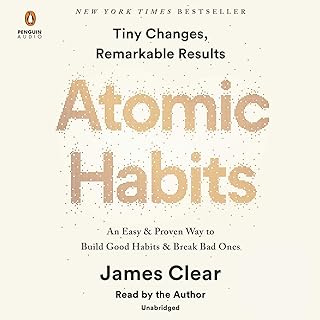
Price: $0.00 (free with Audible trial) | Rating: 4.8 (148,600+ reviews)
Top Self-discipline Books Compared
If you’re serious about mastering self-control, here’s a quick comparison of three must‑read titles. Each offers a unique angle—from practical strategies to philosophical wisdom.
| Product | Picture | Price | Rating | Key Focus | Buy at Amazon |
|---|---|---|---|---|---|
| No Excuses!: The Power of Self-Discipline | |
$8.66 | 4.7 | Principles and applied tactics | Buy Now |
| Atomic Habits | |
$0.00 | 4.8 | Habit formation and environment design | Buy Now |
| Discipline Is Destiny: The Power of Self-Control |  |
$5.88 | 4.7 | Stoic philosophy and real‑life examples | Buy Now |
Each of these books will help you internalize the lesson that Laura Branigan’s song hints at: real self-control is not about suppression—it’s about alignment. When your actions match your values, discipline becomes less of a fight and more of a natural flow.
How Music Can Boost Your Self-discipline
Branigan’s “Self Control” isn’t just an interesting case study—it’s also a practical tool. Music powerfully influences your mood and focus. Here’s how to use it to strengthen your own discipline:
- Create a “focus” playlist. Upbeat, non‑distracting instrumental music (or even the extended version of “Self Control”) can signal your brain it’s time to work.
- Use songs as ritual anchors. Play a specific track before starting a difficult task. Over time, that song triggers a disciplined mindset.
- Choose lyrics that reinforce your goals. Songs about resilience, courage, or even controlled surrender can keep you motivated during tough moments.
The Deeper Meaning: Self-Control as Liberation
The title “Self Control” is ironic. The song is about losing it. But maybe that’s the point: we only truly control ourselves when we stop trying to control everything else. True self-discipline comes from understanding your desires, setting intentional boundaries, and giving yourself permission to be human.
Laura Branigan’s track remains a cultural touchstone because it captures a universal struggle. We all want to be in control, but we also want to feel alive. The sweet spot is learning when to lead and when to follow—when to hold on and when to let the rhythm carry you.
Frequently Asked Questions
Is “Self Control” by Laura Branigan about drugs?
No. The lyrics describe a night out and the temptation to follow a lover, not substance use. The “self control” refers to resisting romantic or impulsive urges.
What inspired Laura Branigan to record “Self Control”?
She heard Raf’s original Italian version while in Italy and felt it had an energy and emotional intensity she wanted to bring to an English-speaking audience.
How does the song relate to self-discipline?
The song explores the tension between desire and restraint. It teaches that acknowledging your moments of weakness is the first step to true self-control.
What are some good books on self-discipline?
Start with No Excuses!, Atomic Habits, or Discipline Is Destiny. Each provides a different, proven approach.
Can listening to “Self Control” help me focus?
Yes, if you use it as a ritual trigger. The song’s driving beat can energize you for a workout or work session, especially if you link it mentally to a disciplined state.
Is self-discipline the same as willpower?
Not exactly. Willpower is the mental energy to resist short‑term temptation. Self-discipline is a broader system of habits, routines, and values that reduce the need for willpower.
Final Takeaway: Embrace the Dance Between Control and Surrender
Laura Branigan’s “Self Control” is more than an ’80s anthem. It’s a mirror reflecting our own struggles with impulse, desire, and the quest for mastery. The song doesn’t offer easy answers. Instead, it invites you to step onto the dance floor of your own life, aware that sometimes you’ll lead and sometimes you’ll follow.
The most disciplined people aren’t robots. They’re human beings who have learned to work with their nature, not against it. They set boundaries that protect their goals, but they also know when to let go and enjoy the music.
So go ahead—play the song, feel the beat, and remember: self-control is not the enemy of freedom. It’s the path that makes freedom possible.
Now, take the first step. Choose one small habit from this article and practice it today. Your future self will thank you.