
Let’s be honest. Motivation is a liar. It shows up on day one with fireworks and confetti, then disappears the moment your alarm goes off at 5 a.m. for that morning run. If you’ve ever started a weight loss journey with burning excitement only to fizzle out by week three, you’re not broken. You’re human.
The real game changer isn’t more motivation. It’s self discipline for weight loss — the ability to show up and do the work even when every fiber of your being wants to order pizza and binge Netflix. And here’s the good news: self discipline isn’t something you’re born with. It’s a skill you can build, one decision at a time.
In this article, you’ll learn exactly how to develop unshakable self discipline for weight loss. You’ll discover why motivation always fades, what to do when it does, and how to create systems that keep you on track long after the initial spark dies. We’ll also dive into the best books on self discipline that can rewire your brain for consistency. Let’s get started.
Table of Contents
Why Motivation Is Overrated — And Self Discipline Is the Real Key
Motivation feels amazing. It’s the rush of a new goal, the dopamine hit of imagining your future self. But motivation is an emotion. It comes and goes like the weather. You wouldn’t plan a year’s worth of outdoor events based on today’s sunshine, so why plan your health on motivation?
Self discipline for weight loss is the steady anchor. It’s what gets you to the gym when you’re tired, stressed, or uninspired. It’s what helps you say no to the office donuts even when everyone else is grabbing one. And it’s built through small, consistent actions that compound over time.
Think of it this way: Motivation is the spark. Self discipline is the flame that keeps burning.
The Psychology of Self Discipline for Weight Loss
To master self discipline, you need to understand why your brain fights you. Your brain is wired for survival, not abs. It craves immediate rewards (sugar, comfort, rest) over long term benefits (fitness, health, confidence). That’s why willpower feels like a muscle that gets exhausted.
The Role of Self Control and Willpower
Self control is a limited resource in the short term, but it can be strengthened through practice. Studies show that people who regularly practice small acts of discipline — like making their bed or choosing fruit over chips — improve their overall willpower over time.

Discipline Is Destiny by Ryan Holiday explores the ancient Stoic practice of self control and how it applies to modern challenges, including weight management. It’s a powerful read for anyone serious about building mental toughness for long term goals.
The Habit Loop and Your Brain
James Clear’s Atomic Habits breaks down how habits work: cue, craving, response, reward. When you build habits around self discipline for weight loss, you essentially automate success. You stop relying on decision making and start relying on routines.
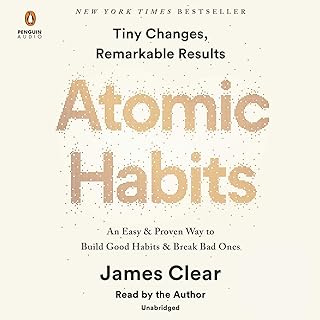
This book is a must read for anyone who wants to understand how tiny changes lead to remarkable results. The principles apply directly to weight loss — from meal prep to workout consistency.
Practical Strategies to Build Self Discipline for Weight Loss
You don’t need a complete personality overhaul. You just need a few proven strategies that work with your psychology, not against it.
1. Start Smaller Than You Think Possible
Most people fail because they go from zero to hero overnight. Instead, start with one tiny behavior: drink a glass of water before breakfast, do five push ups after brushing your teeth, or walk for five minutes after lunch. The goal is to build momentum, not intensity.
- Tiny habits create wins that fuel self discipline.
- Consistency beats volume every time.
- Once a behavior is automatic, you can scale it up.
2. Use the “Two Minute Rule” for Resistance
When you don’t feel like working out, commit to just two minutes. Put on your shoes, step outside, and if you still want to stop, you can. But almost always, you’ll keep going. The hardest part is starting. Self discipline is about tricking your brain into taking that first step.
3. Create an Environment That Supports Your Goals
Your surroundings shape your behavior more than willpower ever can. If you keep cookies on the counter, you’ll eat them. If you keep workout clothes by your bed, you’ll wear them. Design your space for success.
- Keep healthy snacks visible and accessible.
- Hide or remove tempting junk food.
- Place your gym bag by the front door.
4. Implement the “No Zero Days” Rule
A zero day is a day you do absolutely nothing toward your goal. It breaks momentum and makes it harder to start again. Commit to at least one small action every day — even if it’s just stretching for 60 seconds. That one action keeps the chain unbroken and your self discipline intact.
5. Pre Commit to Your Choices
Make decisions in advance so you don’t have to rely on willpower in the moment. Meal prep your lunches for the week. Schedule your workouts like appointments. Use the “if then” planning: If I finish work at 5 p.m., then I immediately go to the gym. This offloads decision fatigue and makes consistency automatic.
How to Handle Setbacks Without Falling Off the Wagon
Setbacks are inevitable. You will miss a workout. You will eat the cake at a birthday party. What matters is how you respond.
The “Never Miss Twice” Rule
One slip up doesn’t ruin your progress. Two in a row creates a new pattern. So when you mess up, get right back on track the very next meal or workout. Don’t wait until Monday. Don’t wait until next month. The next right moment is now.
Forgive Yourself and Learn
Guilt and shame are terrible motivators. They drain your energy and make you want to give up. Instead, treat yourself with the same compassion you’d offer a friend. Ask: What can I do differently next time? Then adjust your plan.

The Mountain Is You by Brianna Wiest dives deep into self sabotage and how to transform it into self mastery. If you struggle with emotional eating or giving up when things get hard, this book will reshape your mindset.
Essential Books to Supercharge Your Self Discipline
Reading about self discipline is one of the most effective ways to reinforce it. The following books are highly rated and full of actionable wisdom. Consider adding them to your library.
| Book | Price | Rating | Buy at Amazon |
|---|---|---|---|
 The Power of Discipline The Power of Discipline |
$16.83 | 4.6 | Buy now |
| Atomic Habits |
$0.00 (Audible) | 4.8 | Buy now |
 No Excuses!: The Power of Self Discipline No Excuses!: The Power of Self Discipline |
$8.66 | 4.7 | Buy now |
 The Psychology of Self-Discipline The Psychology of Self-Discipline |
$17.99 | 4.6 | Buy now |
| Discipline Is Destiny |
$5.88 | 4.7 | Buy now |
These resources cover everything from habit formation to mental toughness. Choose one that speaks to your current struggle and commit to reading a few pages each day. Knowledge, applied consistently, becomes power.
Daily Rituals to Strengthen Your Self Discipline Muscle
Self discipline isn’t built in one massive effort. It’s forged through daily rituals that reinforce your commitment.
The Morning Win
Admiral William H. McRaven famously said, “If you want to change the world, start off by making your bed.” That small victory sets a tone of discipline for the rest of the day. Pair it with a glass of water and a short stretch.

Make Your Bed is a quick read packed with lessons on discipline and resilience. It reminds us that tiny actions create a ripple effect of self control.
The Evening Review
Before bed, write down one thing you did well that day for your health — even if it was minor. Also note one thing you can improve tomorrow. This keeps you accountable without judgment.
The Weekly Reset
Every Sunday, plan your workouts and meals for the week ahead. This is a powerful act of self discipline for weight loss because it removes the guesswork. When hunger hits or fatigue sets in, you already have a plan.
FAQ: Self Discipline for Weight Loss
What is the difference between motivation and self discipline for weight loss?
Motivation is a temporary emotional state. Self discipline is a consistent practice of doing what needs to be done regardless of how you feel. For lasting weight loss, self discipline is far more reliable.
How can I build self discipline if I have none?
Start ridiculously small. Do one push up a day. Drink one extra glass of water. The key is to build the habit of showing up. Over time, these small acts compound into serious discipline.
Why do I keep falling back into old eating habits?
Old habits are wired deeply in your brain. They trigger automatically in response to cues like stress or boredom. To change them, you need to replace the routine while keeping the cue and reward the same. James Clear’s Atomic Habits explains this perfectly.
Can self discipline be learned, or is it genetic?
Absolutely learned. Self discipline is a skill, not a fixed trait. Every time you resist a temptation or follow through on a commitment, you strengthen the neural pathways that support self control.
How long does it take to build strong self discipline?
It varies, but research suggests it takes anywhere from 18 to 254 days to form a new habit. The first 30 days are the hardest. Push through, and the discipline becomes part of your identity.
The Bottom Line: Discipline Beats Motivation Every Time
Motivation will never be reliable. It’s a fair weather friend. But self discipline for weight loss is the steady companion that walks with you through rain, snow, and exhaustion. You don’t need to be perfect. You just need to be consistent.
Start with one small change today. Pick one strategy from this article and apply it for the next seven days. Then another. Then another. Over time, these small decisions will reshape your body, your mind, and your life.
And if you need extra guidance, grab a copy of The Power of Discipline or No Excuses!. They’re like having a personal coach in your pocket.
You have everything you need to succeed. The only question is: will you show up tomorrow when motivation is silent? You can. You will. And that’s the power of self discipline.