
Let’s cut through the noise. When you hear “what self discipline,” what comes to mind? Maybe you picture someone waking up at 4 a.m., ice bathing, and grinding until midnight. Or perhaps you think of a stern, joyless person who never eats cake. That image is wrong. And it’s hurting your progress.
Self-discipline isn’t about punishment or rigid rules. It’s about freedom, choice, and aligning your actions with what matters most. In this guide, we’ll strip away the myths and show you exactly what self-discipline is, what it isn’t, and how to build better habits without turning your life into a boot camp.
We’ll also share proven resources to accelerate your journey. Let’s dive in.
Table of Contents
What Self Discipline Really Means
At its core, self-discipline is the ability to choose the hard thing now for a better result later. It’s not a personality trait you’re born with. It’s a skill you can build, like a muscle.
True self-discipline means:
- Making conscious decisions that serve your long-term goals, even when short-term urges pull you elsewhere.
- Staying consistent when motivation fades. Motivation is like a spark; discipline is the fuel that keeps the fire burning.
- Managing your energy and attention instead of letting distractions manage you.
- Forgiving yourself after a slip and getting back on track without shame.
Think of it like this: self-discipline is the bridge between your intentions and your outcomes. Without it, your best intentions collapse into wishful thinking.
Brian Tracy captures this perfectly in his classic book No Excuses!: The Power of Self-Discipline . He argues that self-discipline is the key to success in every area of life—health, wealth, relationships. It’s not about deprivation; it’s about taking control.

What Self Discipline Is Not (Common Myths)
Much of our confusion comes from pop culture’s twisted portrayal of discipline. Let’s debunk the biggest myths.
It’s Not About Hating Yourself into Change
Many people think self-discipline means being hard on yourself, beating yourself up when you fail. That’s the opposite of helpful. Research shows that self-compassion increases resilience and long-term adherence to habits. Discipline without kindness is just burnout.
It’s Not About Having Incredible Willpower All the Time
Willpower is a finite resource. Relying on it alone is a recipe for failure. Smart self-discipline involves designing your environment and using systems that reduce the need for willpower. For example, keeping junk food out of your house is a discipline strategy that doesn’t require constant self-control.
It’s Not About Being Perfect
Nobody is disciplined every second of every day. The goal is progress, not perfection. One slip doesn’t mean you’ve lost your discipline. It means you’re human. The disciplined person acknowledges the slip, learns, and continues.
It’s Not the Same as Being Busy
Discipline is about focus, not volume. You can be busy all day with low-priority tasks and still lack self-discipline. True discipline means doing the important thing, even when it’s uncomfortable, and saying no to distractions.
Why Self Discipline Matters More Than Talent
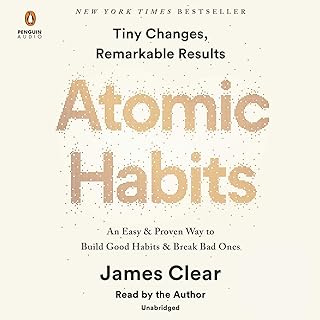
Angela Duckworth’s research on grit shows that persistence and self-discipline predict success better than IQ or natural ability. James Clear, author of Atomic Habits , puts it simply: “You do not rise to the level of your goals. You fall to the level of your systems.”
Discipline is the engine of those systems. Without it, even the best plan stays on paper.
Here’s what discipline gives you:
- Consistency over bursts of effort
- Resilience when obstacles appear
- Clarity because you know your priorities
- Self-respect when you keep promises to yourself
The benefits compound. One disciplined choice leads to another, and soon you’ve built a life that reflects your deepest values.
How to Build Self Discipline (Practical Strategies)
Now for the actionable part. These strategies are grounded in psychology and real-world success.
1. Start Small with “Micro-Habits”
Trying to overhaul your entire life overnight is a disaster. Instead, pick one tiny habit that takes less than two minutes. Want to read more? Read one page. Want to exercise? Do one push-up. The discipline muscle grows through repetition, not intensity.
This is exactly what James Clear teaches. His method: make it obvious, attractive, easy, and satisfying.
2. Use Implementation Intentions
Research shows that stating “I will [behavior] at [time] in [location]” dramatically increases follow-through. For example: “I will meditate for 5 minutes at 7 a.m. on my couch.” This removes the decision-making friction.
3. Design Your Environment for Success
Self-discipline is easier when your surroundings support it. If you want to eat healthy, keep fruit on the counter and chips in the back of the pantry. If you want to focus, put your phone in another room.
The book The Power of Discipline: How to Use Self Control and Mental Toughness to Achieve Your Goals emphasizes that discipline is about controlling your circumstances before they control you.

4. Practice the “Five-Second Rule”
When you feel resistance towards a task, count down from five and then move. This interrupts the brain’s procrastination loop. It’s a simple but powerful way to override hesitation and build momentum.
5. Build in Accountability
Share your goal with a friend, use a habit tracker, or join a community. Knowing someone else will check in on your progress raises the stakes. Apps and journals help, but human accountability is even stronger.
6. Embrace Rest and Recovery
Burnout destroys discipline. Sleep, breaks, and time off are not the enemy of discipline; they are part of a sustainable practice. The disciplined person knows when to push and when to recharge.
Putting It All Together: The 30-Day Self Discipline Challenge
Want to test your skills? Try this 30-day challenge from the audiobook Self Discipline: 30 Days to Self Discipline: 30 Days to Greatness, Volume 2 . Each day focuses on one small action.
- Days 1-5: Wake up at the same time. No snooze.
- Days 6-10: Do 10 minutes of focused work on your top goal before checking email or social media.
- Days 11-15: Practice saying no to one unnecessary request or distraction each day.
- Days 16-20: Remove one unhealthy food or habit from your daily routine.
- Days 21-25: Exercise for 15 minutes daily. No excuses.
- Days 26-30: Write down three things you did today that moved you closer to your goal.
After 30 days, you’ll have proven to yourself that you are capable of self-discipline. And you’ll have built momentum.
Recommended Resources to Deepen Your Practice
Several books and tools can accelerate your understanding of what self discipline really involves. Here are a few we recommend based on research and user reviews.
Top Books on Self Discipline
| Product | Price | Rating | Key Focus | Buy at Amazon |
|---|---|---|---|---|
|
$8.66 | 4.7/5 | The 21 principles of self-discipline across life areas | Buy Now |
|
$0.00 (Audible) | 4.8/5 | The science of habit formation; small changes, big results | Buy Now |
|
$16.83 | 4.6/5 | Practical mental toughness and self-control strategies | Buy Now |
 |
$12.93 | 4.7/5 | Military-inspired field manual for action-oriented discipline | Buy Now |
Each of these books offers a unique angle on what self discipline looks like in practice. Pick the one that resonates most with your current challenge.
FAQ: What Self Discipline Is and Isn’t
Q: What self discipline is the most important kind?
A: The most important kind is the discipline to start and keep going when you don’t feel like it. Consistency beats intensity every time.
Q: Does self discipline mean I can never have fun?
A: Absolutely not. In fact, self-discipline often creates more time and space for fun. When you manage your priorities effectively, you can enjoy leisure without guilt.
Q: How long does it take to become self-disciplined?
A: Building self-discipline is a lifelong practice, not a destination. Most people see meaningful improvement within 30-60 days of consistent effort using the strategies above.
Q: What if I keep failing at staying disciplined?
A: Failure is feedback, not a verdict. Examine the environment, the trigger, and the reward. Usually, the issue is that you’re trying to change too much at once. Scale back to one micro-habit.
Q: Can self-discipline be learned at any age?
A: Yes. Neuroplasticity allows us to form new patterns of behavior throughout life. It may take more conscious effort for older adults, but it is absolutely possible.
Your Next Step
Self-discipline isn’t a mysterious gift. It’s a set of skills you can learn, practice, and master. The real question isn’t “What self discipline am I missing?” but “What small action can I take today to move closer to the person I want to become?”
Choose one strategy from this guide. Start tomorrow morning. Don’t aim for perfection. Aim for one small, disciplined decision. That single choice—repeated—will change everything.
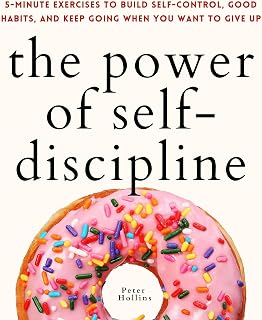
If you want to dive deeper, grab a copy of The Power of Self-Discipline: 5-Minute Exercises to Build Self-Control, Good Habits, and Keep Going When You Want to Give Up . It’s full of bite-sized practices that fit into any schedule.
Remember: discipline is the bridge between where you are and where you want to be. Start building it today.