
You know the feeling. You download a shiny new app, swear you’ll use it every day, and by Thursday you’ve forgotten it exists. The app isn’t the problem. The problem is you picked the wrong one.
The best app for self discipline doesn’t just remind you to drink water. It rewires how you think about your daily choices. It turns willpower into a repeatable system. And when you choose the right one, it feels less like a chore and more like a game you’re winning.
This guide is your blueprint. We’ll break down exactly what features matter in habit trackers, distraction blockers, and streak systems. You’ll learn how to evaluate any app before downloading it, so you stop wasting time on tools that don’t stick.
And yes, we’ll point you to some excellent reading along the way because the right mindset is just as important as the right app.
Table of Contents
What Is an App for Self Discipline?
At its core, an app for self discipline is a digital accountability partner. It helps you form habits, block distractions, and track progress so you don’t have to rely on raw willpower alone.
Willpower is a limited resource. Studies show you can deplete it by making too many decisions in a row. A good self discipline app removes those decisions. It automates the “should I do this?” question so you can focus your mental energy on the actual work.
These apps fall into three main categories:
- Habit trackers – Build and maintain positive routines.
- Focus blockers – Prevent you from opening tempting apps or websites.
- Streak systems – Gamify consistency by rewarding uninterrupted chains of action.
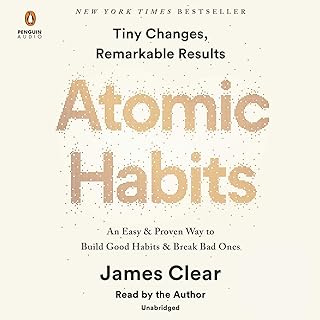
The best apps combine elements from all three. And the best approach? Pair the app with books that teach the underlying psychology. Books like Atomic Habits by James Clear (rated 4.8, with over 148,000 reviews) explain why tiny changes produce massive results. Reading that while using a habit tracker is like using a map with a compass.
Key Features to Look For in Habit Trackers
A habit tracker is the backbone of any app for self discipline. But not all trackers are created equal. Here’s what separates the ones that work from the ones you delete after three days.
1. Simplicity and Speed
The best habit tracker takes less than ten seconds to log. If you have to navigate five menus to mark “done,” you’ll stop using it. Look for a one-tap interface. Ideally, you can check off habits from a widget or notification without even opening the app.
2. Flexible Goal Types
You need more than just a daily checkbox. Some habits are daily (meditate), others are weekly (go grocery shopping), and some are count-based (drink eight glasses of water). A good app supports all these modes. It also lets you set optional reminders without being annoying.
3. Visual Progress
Humans are visual creatures. A streak counter, a calendar grid filled with green dots, or a graph showing your completion rate gives you a dopamine hit that keeps you coming back. Look for apps that show your history at a glance.
4. Habit Stacking and Categories
The psychology behind The Power of Discipline (rated 4.6, over 11,000 reviews) teaches that linking new habits to existing ones is powerful. A great habit tracker lets you group habits by context (morning routine, work, fitness) so you can review your day holistically.
5. Data Export and Backup
You don’t want to lose six months of data because you switched phones. The best apps sync to the cloud and let you export a CSV or PDF of your history. That data becomes a treasure trove when you want to analyze your consistency over time.
Quick Checklist for Habit Trackers
- One-tap logging
- Support for daily, weekly, and custom frequencies
- Streak tracking
- Calendar or graph view
- Reminders with snooze
- Cloud sync
What Makes a Great Focus Blocker?
Even the best habit tracker is useless if you keep scrolling Instagram during work hours. That’s where a focus blocker comes in. This type of app for self discipline actively prevents you from accessing distractions.
1. Selective Blocking
You don’t want to block your entire phone. You want to block specific apps and websites during certain times. Look for an app that lets you create profiles like “Deep Work” (blocks social media, news, YouTube) and “Break Time” (only allows the things you choose).
2. Hard Block vs. Soft Block
A hard block makes it impossible to open a blocked app. A soft block sends a warning but lets you bypass it. For self discipline, hard blocks are more effective. You need to override your own impulses. Apps that require a cool-down period (like 30 seconds of waiting before you can unblock) are even better.
3. Time Scheduling
Your willpower is strongest in the morning. Block distractions automatically during your peak focus hours. Great blockers let you set recurring schedules. For example, block social media from 8 AM to noon, then allow it for 30 minutes at lunch.
4. Accountability Features
Some focus blockers let you share your block sessions with a friend or coach. Knowing someone else sees your progress can double your commitment. Apps like this also track your total focused time.
5. Integration with the Pomodoro Technique
The Pomodoro method (25 minutes of work, 5 minutes of break) is a proven productivity hack. The best focus blockers include a built-in timer that automatically starts your block when you begin a pomodoro session.
For more on reclaiming your attention, check out Digital Self-Discipline (rated 4.8). It dives deep into breaking free from dopamine loops and is an excellent companion to any blocking app.
Streak Systems: Why You Want to See Those Numbers Grow
Streak systems are the gamification layer of an app for self discipline. They turn each day you stick to your habit into a little victory. The psychology is simple: once you have a streak of five days, you don’t want to break it.
1. Streak Length Visualization
You don’t just want a number. You want a visual representation. Fire emojis, a growing plant, or a progress bar that fills up. The more visceral the feedback, the more addicted you become to keeping that streak alive.
2. Grace Periods and Freezes
Life happens. You get sick, travel, or have an emergency. A good streak system allows you to use a “streak freeze” (maybe one per week) so a single missed day doesn’t destroy months of progress. This prevents the “all or nothing” trap that kills many habit attempts.
3. Multi-Habit Streaks
The most powerful apps show your overall consistency across all habits. For example, you might have a 30-day streak for meditation, a 15-day streak for exercising, and a 22-day streak for reading. Seeing the combined picture gives you a sense of momentum from multiple angles.
4. Social Streaks and Challenges
Some apps let you join group streaks with friends or strangers. The fear of letting down a team is stronger than the fear of letting down yourself. Look for apps that offer optional community challenges.
5. Rewards and Milestones
After a 7-day streak, the app gives you a virtual badge. After 30 days, you get a trophy. These small rewards tap into the same reward system that makes video games addictive. Use that to your advantage.
How to Choose the Right App for Your Needs
No single app will work for everyone. Your personality, your biggest struggles, and your goals determine which features matter most. Here’s a quick decision framework.
Ask yourself these three questions:
-
What’s your biggest obstacle? If you can’t start good habits, prioritize a habit tracker with strong streak systems. If you can’t stop bad habits (social media, gaming), prioritize a focus blocker with hard block capabilities.
-
How much friction can you tolerate? Some people love detailed logging and long checklists. Others want a single tap and done. Be honest about your tolerance. An app you won’t use is worse than no app.
-
Do you need accountability? If you struggle with internal motivation, look for apps with social features, sharing, or coach integration. If you’re self-motivated, a simple tracker will suffice.
Hybrid Apps vs. Specialized Apps
Some apps try to do everything: habit tracking, blocking, Pomodoro timer, and notes. They can be convenient but often lack depth. Specialized apps tend to be more powerful in their specific function.
A smart approach is to use one primary habit tracker and one dedicated focus blocker. The two complement each other perfectly.
Comparison of Top Self-Discipline Books to Complement Your App
The best app for self discipline is only half the equation. The other half is understanding the psychology behind it. These books pair perfectly with any app you choose.
| Product | Price | Rating | Buy at Amazon |
|---|---|---|---|
 |
$0.00 (audiobook) | 4.8 | Buy at Amazon |
 |
$16.83 | 4.6 | Buy at Amazon |
 |
$12.99 | 4.8 | Buy at Amazon |
 |
$0.00 (audible) | 4.7 | Buy at Amazon |
 |
$12.93 | 4.7 | Buy at Amazon |
 |
$8.66 | 4.7 | Buy at Amazon |
 |
$0.00 (audible) | 4.5 | Buy at Amazon |
Which book should you start with?
- New to self-discipline: Atomic Habits – the most practical and widely loved.
- Need a kick in the pants: No Excuses! by Brian Tracy.
- Struggle with digital addiction: Digital Self-Discipline – direct, actionable, and recent.
- Want a Stoic approach: Discipline Is Destiny by Ryan Holiday (rated 4.7, 5,800 reviews).
Red Flags to Avoid When Choosing an App
Not all apps labeled “self discipline” are worth your time. Watch out for these traps.
- Overly complex onboarding. If an app asks you to set up twenty habits before you start, walk away. You should be able to create your first habit in less than a minute.
- Freemium walls. Some apps hide essential features like cloud sync or multiple habit categories behind a $10/month subscription. Decide upfront what you’re willing to pay.
- No offline mode. If your internet drops, you should still be able to log your habits. Apps that require constant connectivity are fragile.
- Gimmicky gamification. Badges for everything, sound effects every time you tap, and unnecessary animations. They wear thin fast. You want motivation, not distraction.
- Privacy issues. Read the privacy policy. Some habit trackers collect your data to sell. Choose apps that encrypt your data and don’t share it with advertisers.
Real Talk: Apps Don’t Replace Discipline
Let’s be honest. No app for self discipline will magically transform you into a productivity machine. The app is a tool, not a teacher. It can guide you, remind you, and reward you. But you still have to do the work.
The key is to start absurdly small. Use the app to track just one habit for the first week. Maybe it’s making your bed. Maybe it’s drinking a glass of water after waking up. When that becomes automatic, add another.
The books we mentioned above, especially The Mountain Is You (rated 4.7 with 27,900 reviews), help you identify the self-sabotage patterns that override your best intentions. Combine that insight with a solid app, and you’ve got a system that actually works.
Frequently Asked Questions
What is the best app for self discipline right now?
There is no single best app because it depends on your needs. For habit tracking, top options include Habitica (gamified), Streaks (iOS), and Loop Habit Tracker (Android). For focus blocking, Forest, Freedom, and Cold Turkey are excellent. Read reviews and try one for a week. Pair it with The Science of Self-Discipline to understand the psychology behind the tool.
Can an app really improve self discipline?
Yes, but indirectly. An app provides structure, reminders, and accountability. It reduces the friction of starting a habit and makes your progress visible. Over time, this builds the neural pathways that make discipline feel automatic. The app is a scaffold. Eventually you may not need it for certain habits.
Should I use a free or paid app for self discipline?
Many free apps are excellent. Loop Habit Tracker is open source and completely free. Habitica is free with optional premium features. Paid apps often have cleaner design, better customer support, and advanced features like hard block focus modes. If you can afford $3-$5 per month, a paid app is usually worth it for the polish.
How many habits should I track at once?
Start with one to three habits. Tracking more than five can overwhelm you. The goal is consistency, not quantity. Once a habit becomes automatic (usually after 30-60 days), you can add another. 365 Days With Self-Discipline (rated 4.5) gives you a daily thought to reinforce this gradual approach.
What if I break my streak?
Don’t panic. A broken streak is not a failure, it’s a data point. Review what caused the break and adjust. Use the “streak freeze” feature if your app offers it. The real test of discipline is not never missing, but starting again after you miss.
Do I need a separate app for blocking distractions?
Not necessarily. Some habit trackers include a focus mode. But dedicated blocking apps tend to be more powerful. For example, Freedom blocks websites across all your devices. Forest plants a virtual tree that dies if you leave the app. For heavy internet users, a separate blocker is worth the investment. To dive deeper into digital self-control, read Digital Self-Discipline.
The Bottom Line
Stop searching for a magic app and start building a system. The right app for self discipline combines habit tracking, distraction blocking, and streak motivation into a tool that fits your life. It doesn’t have to be perfect. It just has to be used.
Pick one habit. Pick one app. Read one book from the list above. Give it thirty days. By then, you’ll know if it’s working. And if it is? You’ll wonder why you waited so long.
Remember, discipline equals freedom. Discipline Equals Freedom by Jocko Willink (rated 4.7, 8,800 reviews) sums it up in three words. Use the app as your field manual. Your future self will thank you.