
Let’s be honest for a second. You’ve probably tried to “get disciplined” before. Maybe you downloaded a habit tracker, bought a journal, or told yourself Monday would be the day. And maybe Monday came and went, and you felt like a failure.
Here’s the truth nobody tells you: self-discipline isn’t something you’re born with. It’s a skill you can teach yourself, just like learning to cook or ride a bike. The only difference is that discipline lives in your brain, not your muscles. And the good news? Your brain is incredibly plastic. It rewires itself based on what you do repeatedly.
In this guide, you’re going to learn exactly how to teach yourself self discipline with a step-by-step routine that works in the real world. No fluff, no fake motivation, just a system you can start using today.

Table of Contents
What Is Self-Discipline (And What It Isn’t)
Self-discipline is the ability to push yourself to take action regardless of how you feel emotionally. It’s saying yes to the long-term reward even when your short-term brain is screaming for Netflix and a cookie.
It is not about being harsh, punishing yourself, or living like a monk. Real self-discipline feels more like self-compassion in disguise. You choose discomfort now so you can enjoy a better life later.
Many people confuse discipline with motivation. Motivation is a spark; discipline is the engine. You can’t rely on motivation to carry you through the hard days. But you can rely on a routine you’ve taught yourself.
Why Teaching Yourself Self Discipline Changes Everything
When you learn how to teach yourself self discipline, you unlock a superpower. You stop being a passenger in your own life and start being the driver.
- You finish projects you start.
- You resist distractions that once derailed you.
- You build habits that stick for years.
- You gain confidence because you keep promises to yourself.
And the best part? The process itself builds momentum. Every small win makes the next one easier.
Step 1: Start with a Keystone Habit (Make Your Bed)
Big change doesn’t start with huge leaps. It starts with one tiny, almost ridiculous action. For Admiral William H. McRaven, that action was making your bed. In his book Make Your Bed: Little Things That Can Change Your Life…And Maybe the World, he argues that a simple morning routine sets the tone for the entire day.

Your keystone habit could be:
- Making your bed every morning
- Drinking a glass of water first thing
- Writing down three goals for the day
- Doing five minutes of stretching
The key is consistency over intensity. If you can do this one small thing every day for a week, you’ve already proven to yourself that you can keep a commitment. That proof is the foundation of self-discipline.
Step 2: Use the 5-Minute Rule to Overcome Resistance
Your brain is wired to avoid discomfort. When you think about exercising, the thought of an hour at the gym feels heavy. So your brain says, “Let’s not.” But what if you only committed to five minutes?
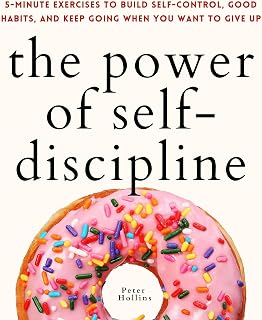
This is the core of The Power of Self-Discipline: 5-Minute Exercises to Build Self-Control, Good Habits, and Keep Going When You Want to Give Up. The book offers short, targeted exercises that train your willpower muscle without overwhelming you.
Here’s how to use it: When you feel resistance to a task, tell yourself you’ll do it for just five minutes. Set a timer. After five minutes, you can stop guilt-free. Most of the time, you’ll keep going. Starting is the hardest part.
This technique is one of the fastest ways to teach yourself self discipline because it bypasses the part of your brain that hates long-term effort.
Step 3: Define Your “Why” and Set Crystal-Clear Goals
Discipline without direction is just busyness. You need a reason that matters to you. Ask yourself: Why do I want to be more disciplined? Is it to have more energy for your kids? To build a business? To feel proud of yourself when you look in the mirror?
Write that reason down. Then break it into specific, measurable goals.
For example:
- Vague goal: “I want to be healthier.”
- Clear goal: “I will walk 20 minutes every morning before work.”
- Disciplined goal: “I will walk 20 minutes every morning, rain or shine, for 30 days.”
Now you have something to aim at. Without a target, discipline is just a vague wish.
Step 4: Design Your Environment for Focus
Willpower is a limited resource. The more you rely on it, the faster it drains. Instead of fighting temptation, remove it from your environment. This is where Digital Self-Discipline: Break Free from Dopamine’s Snare, Overcome Digital Addictions & Reclaim Your Drive comes in handy.

Practical ways to design your environment:
- Keep your phone in another room while you work
- Use website blockers for social media during focus hours
- Prep your workout clothes the night before
- Stock your fridge with healthy snacks, not junk
When your environment supports your goals, you don’t need superhuman willpower. You just follow the path of least resistance.
Step 5: Practice Daily Discomfort (Cold Showers, Early Mornings, Hard Conversations)
Real self-discipline is built by doing things you don’t feel like doing. Jocko Willink, author of Discipline Equals Freedom: Field Manual Mk1-MOD1, preaches that discipline and freedom are the same thing.

One practical way to teach yourself this is to start your day with a small act of discomfort. It could be:
- A one-minute cold shower
- Waking up 15 minutes earlier than usual
- Doing the hardest task of your day first (eat that frog)
- Calling someone you’ve been avoiding
Each time you choose discomfort, you send a signal to your brain: I am in control, not my feelings. That signal gets stronger with repetition.
Step 6: Build Accountability and Reward Systems
Discipline doesn’t mean you can never celebrate. In fact, rewarding yourself for small wins reinforces the behavior. The key is to choose rewards that don’t sabotage your progress.
You can also use external accountability. Tell a friend what you’re committing to, join a group, or use a habit tracker. 365 Days With Self-Discipline: 365 Life-Altering Thoughts on Self-Control, Mental Resilience, and Success offers daily reminders that keep you on track.

A simple accountability system:
| Day | Task | Completed? |
|---|---|---|
| 1 | Walk 20 min | ✅ |
| 2 | Walk 20 min | ❌ |
| 3 | Walk 20 min | ✅ |
Don’t aim for perfection. Aim for consistency over time.
Step 7: Reflect and Adjust Daily
The most disciplined people aren’t robots. They’re people who constantly check in with themselves. Note to Self: The Discipline of Preaching to Yourself is a powerful book about using self-talk to stay on track.

Every evening, ask yourself three questions:
- What went well today?
- What could I have done better?
- What will I do differently tomorrow?
This reflection turns mistakes into data, not guilt. Over time, you’ll notice patterns and can adjust your routine to work with your nature, not against it.
Common Obstacles (And How to Overcome Them)
Even with a solid routine, you will hit roadblocks. Here’s how to handle the most common ones.
Obstacle: You miss a day and feel like giving up.
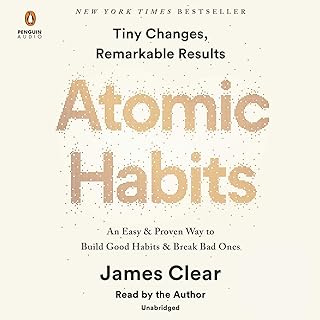
Solution: Never miss twice. James Clear, author of Atomic Habits, says the first mistake is a slip; the second is the start of a new habit. Forgive yourself and get back on track immediately.
Obstacle: You feel overwhelmed by the size of your goal.
Solution: Use the 5-minute rule and focus on the next small step. The Mountain Is You: Transforming Self-Sabotage into Self-Mastery explains how self-sabotage often comes from fear of failure.

Obstacle: You don’t know where to start.
Solution: Pick one tiny habit from the list above. Do it for one week. That’s your only goal. Once it’s automatic, add another.
The Best Resources to Support Your Self-Discipline Journey
Below is a comparison of some of the top books that can help you teach yourself self discipline. Each one offers a different angle—from daily motivation to high-performance mental toughness.
| Product | Price | Rating | Image | Buy at Amazon |
|---|---|---|---|---|
| No Excuses!: The Power of Self-Discipline by Brian Tracy | $8.66 | 4.7 ⭐ |  |
Buy Now |
| Discipline Is Destiny: The Power of Self-Control by Ryan Holiday | $5.88 | 4.7 ⭐ |  |
Buy Now |
| The Science of Self-Discipline by Peter Hollins | $0.00 (free with Audible) | 4.5 ⭐ |  |
Buy Now |
| The Power of Discipline by Daniel Walter | $16.83 | 4.6 ⭐ |  |
Buy Now |
| The Psychology of Self-Discipline by Jordan Williams | $17.99 | 4.6 ⭐ |  |
Buy Now |
| The Four Agreements by Don Miguel Ruiz | $7.05 | 4.7 ⭐ | 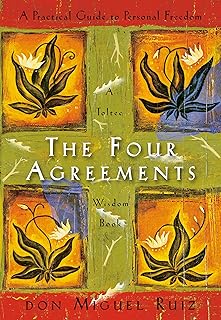 |
Buy Now |
| Stoic Self-Discipline by Elias Knight | $19.99 | 4.7 ⭐ |  |
Buy Now |
| Mindful Self-Discipline by Giovanni Dienstmann | $0.00 (free with Kindle Unlimited) | 4.7 ⭐ |  |
Buy Now |
All of these books are highly rated and can teach you different facets of self-discipline. If you’re just starting out, No Excuses! or Atomic Habits are fantastic entry points.
Frequently Asked Questions About How to Teach Yourself Self Discipline
Can self-discipline really be taught, or are some people just born with it?
Yes, it can be taught. Research in neuroplasticity shows that repeated behaviors strengthen neural pathways. Anyone can learn self-discipline through consistent practice. It’s not a fixed trait.
How long does it take to become disciplined?
There’s no magic number, but many experts suggest that you can notice significant changes within 30 days of consistent effort. The book Self Discipline: 30 Days to Self Discipline is built exactly around that idea.
What’s the biggest mistake people make when trying to learn self-discipline?
Trying to do too much too fast. Most people set huge goals and burn out within a week. Start with one small habit and build from there.
Is self-discipline the same as self-control?
They’re related but not identical. Self-control is resisting temptation in the moment. Self-discipline is the broader ability to consistently take action toward long-term goals. Both are trainable.
How do I stay disciplined when I don’t feel motivated?
Use the 5-minute rule, rely on your environment, and remind yourself why you started. Motivation follows action, not the other way around.
Your Next Step: Start Today, Not Tomorrow
Teaching yourself self-discipline is not about becoming a perfect human. It’s about becoming a little better every day. You don’t need a complete life overhaul. You just need to take the first step.
Choose one small habit from the routine above. Do it tomorrow morning. Then do it again the next day. When you slip, get back up. That’s what discipline really is—not never failing, but never staying down.
You have everything you need to become the disciplined person you want to be. Now go make your bed.