
If you’ve ever typed “self discipline” and wondered whether that space is correct, you’re not alone. Many people pause at this word, unsure if it should be one word, two words, or hyphenated. Let’s settle this once and for all.
Yes, “self-discipline” is always hyphenated in standard English. Writing it as “self discipline” (two separate words) or “selfdiscipline” (one word) is a common mistake. The hyphen isn’t optional—it’s a rule grounded in grammar and style guides. This article covers exactly why, when, and how to use self-discipline correctly, plus tips to avoid embarrassing errors. And because self-discipline is more than a spelling lesson, we’ll also explore top books that can help you build the real thing.
Table of Contents
The Quick Answer: Yes, Self-Discipline Is Hyphenated
Every major dictionary—Merriam-Webster, Oxford, Cambridge—lists “self-discipline” with a hyphen. The Chicago Manual of Style and AP Stylebook agree: when “self” is combined with another word to form a compound noun or adjective, a hyphen is required.
- Correct: self-discipline, self-control, self-esteem
- Incorrect: self discipline, selfdiscipline, self_discipline
The same rule applies to nearly all “self-” compounds: self-awareness, self-improvement, self-reliance. Exceptions exist only for a few words that have become fully closed compounds through long usage (like “selfless” or “selfsame”), but self-discipline is not one of them.
So next time you write about building self-discipline, keep the hyphen. It’s a small mark that signals correctness and professionalism.
Why Is Self-Discipline Hyphenated? The Grammar Rule Explained
The hyphen in self-discipline exists because “self” is a prefix that attaches to a noun (discipline) to create a new compound word. In English, prefixes are usually attached directly (preview, rewrite), but “self-” is a notable exception. Style guides mandate the hyphen to avoid confusion and to visually separate the prefix from the root.
The Prefix Rule for “Self-”
The prefix “self-” almost always requires a hyphen. Why? Because without it, the word can become ambiguous or hard to read. Consider “selfcare” – is that a single concept or something else? “Self-care” with a hyphen makes it immediately clear. The same logic applies to self-discipline.
AP Stylebook says: “Hyphenate all self- compounds, whether adjectives or nouns.” Chicago Manual echoes: “Compounds formed with the prefix self- are hyphenated.”
Compound Nouns vs. Compound Adjectives
Self-discipline functions as both a noun (“She has great self-discipline”) and an adjective (“She practices self-discipline techniques”). In both cases, the hyphen stays.
- Noun: Self-discipline is the foundation of success.
- Adjective: He followed a self-discipline routine every morning.
There is no scenario where self-discipline drops its hyphen, except in rare informal or nonstandard contexts. Stick to the rule, and you’ll never go wrong.
Common Mistakes with Self-Discipline (and How to Avoid Them)
Even experienced writers stumble on this word. Here are the three most frequent errors:
1. Writing It as Two Separate Words
“Self discipline” is the most common mistake. It looks like two unrelated words, which changes the meaning. For example:
- Correct: You need self-discipline to wake up early.
- Incorrect: You need self discipline to wake up early.
The space makes it read as “self” (a noun) and “discipline” (a verb or noun), which is grammatically confusing.
2. Writing It as One Solid Word
“Selfdiscipline” appears occasionally, especially in digital text. While some compound words eventually merge (like “email” from “e-mail”), self-discipline has not reached that point. It remains hyphenated in all standard dictionaries.
3. Omitting the Hyphen in the Middle of a Sentence
Some writers correctly hyphenate the word but forget when it’s followed by a modifier. For example:
- Incorrect: A highly self disciplined individual.
- Correct: A highly self-disciplined individual.
Even when you add an adverb, the hyphen remains part of the compound.
Quick Tips to Get It Right
- Use a grammar checker with hyphenation rules enabled.
- When in doubt, look up the word in Merriam-Webster online.
- Remember the mnemonic: self-discipline = self + hyphen + discipline.
Style Guide Recommendations for Self-Discipline
Different style guides have slightly different rules for hyphenation, but they all agree on self-discipline. Here’s a quick reference:
| Style Guide | Rule for Self-Discipline |
|---|---|
| AP Stylebook | Hyphenate all self- compounds. |
| Chicago Manual of Style | Hyphenate. |
| MLA Handbook | Hyphenate. |
| APA Style | Hyphenate. |
| Oxford Style | Hyphenate. |
No major style guide recommends writing “self discipline” as two words. The consistency across guides shows that the hyphen is not a matter of preference—it’s standard.
For writers working in academic, professional, or publishing contexts, mastering these small rules builds credibility. A missing hyphen might seem minor, but it can make your writing appear careless.
Why Proper Spelling Matters for Your Writing
You might think, “Does a hyphen really matter? People know what I mean.” And yes, meaning is often clear. But grammatical precision signals attention to detail, especially in business writing, publishing, or education.
Consider this: if you’re writing an article or book about building self-discipline, a missing hyphen can distract readers who notice the error. They may question the authority of your other advice. On the flip side, correct usage shows you care about the craft.
Self-Discipline in SEO and Content Writing
From an SEO perspective, the hyphen also affects keyword matching. Search engines treat “self-discipline” and “self discipline” as different terms. While Google understands variations, using the standard hyphenated form helps your content rank for the primary keyword. It also matches how users search—most people type “self-discipline” (with hyphen) when looking for information.
Build Real Self-Discipline with These Top-Rated Books
Now that you’ve mastered the spelling, let’s talk about building the real thing. Self-discipline is a skill you can develop, and there’s no better way than learning from experts. Below are some of the best books on self-discipline, handpicked from Amazon’s top ratings. Each one is a tool to help you build the focus and willpower you need.

No Excuses!: The Power of Self-Discipline by Brian Tracy – $8.66 – Rating: 4.7/5
A classic that cuts straight to the point: successful people are disciplined, and you can become one of them. Tracy offers practical, no-nonsense strategies for taking control of your life.

Atomic Habits by James Clear – $0.00 (audio) – Rating: 4.8/5
While not exclusively about self-discipline, this book teaches how small daily habits—powered by self-discipline—lead to massive results. It’s the most popular habit book for a reason.

Make Your Bed by Admiral William H. McRaven – $6.95 – Rating: 4.7/5
Based on a Navy SEAL’s commencement speech, this short book shows how one small act of discipline—making your bed—can set the tone for everything else.

Discipline Is Destiny by Ryan Holiday – $5.88 – Rating: 4.7/5
Part of The Stoic Virtues series, this book explores self-control through historical examples. Holiday makes ancient philosophy practical for modern life.

The Science of Self-Discipline by Peter Hollins – $0.00 (audio) – Rating: 4.5/5
A research-backed guide that explains the psychology behind willpower and gives you step-by-step tactics to strengthen your self-discipline.

The Power of Discipline by Daniel Walter – $16.83 – Rating: 4.6/5
A practical manual focused on mental toughness and self-control. Great for anyone who wants a systematic approach to overcoming procrastination.

The Psychology of Self-Discipline by Troy Hazlett – $17.99 – Rating: 4.6/5
Offers 24 proven strategies to rewire your brain for consistent action. It blends neuroscience with practical exercises.

The Mountain Is You by Brianna Wiest – $0.00 (audio) – Rating: 4.7/5
This book tackles the inner obstacles that sabotage your self-discipline. It’s a deep, reflective read for understanding why you hold yourself back.

365 Days With Self-Discipline by Martin Meadows – $0.00 (audio) – Rating: 4.5/5
A daily devotional for building self-discipline. Each day offers a thought, quote, or action step to keep you focused all year long.
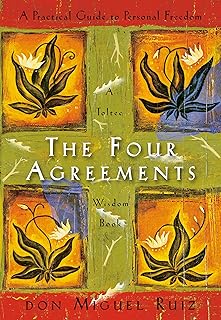
The Four Agreements by Don Miguel Ruiz – $7.05 – Rating: 4.7/5
A spiritual guide to personal freedom, this book teaches four principles that require discipline to master—and reward you with a better life.

Discipline Equals Freedom by Jocko Willink – $12.93 – Rating: 4.7/5
A field manual from a former Navy SEAL. Short, intense chapters that remind you: discipline is the path to freedom.

Mindful Self-Discipline by Giovanni Dienstmann – $0.00 (audio) – Rating: 4.7/5
Combines mindfulness with self-discipline strategies. Ideal for those who want a balanced, non‑punitive approach to self‑mastery.

Digital Self-Discipline by Marcus A. D. – $12.99 – Rating: 4.8/5
Specifically targets digital addictions and phone overuse. Practical advice for regaining control of your attention.

Stoic Self-Discipline by Thomas Swain – $19.99 – Rating: 4.7/5
33 ancient Stoic secrets applied to modern self-discipline. A powerful blend of philosophy and action.
Comparison Table of Top Self-Discipline Books
To help you choose, here’s a quick comparison of some of the best‑selling books on self-discipline.
| Product | Price | Rating | Key Focus | Buy at Amazon |
|---|---|---|---|---|
|
$8.66 | 4.7 | Practical strategies from a top speaker | Buy Now |
|
$0.00 | 4.8 | Habit formation & small changes | Buy Now |
|
$5.88 | 4.7 | Stoic self‑control | Buy Now |
|
$16.83 | 4.6 | Mental toughness & willpower | Buy Now |
|
$12.93 | 4.7 | Field manual, uncompromising approach | Buy Now |
Each book brings a unique perspective. Whether you prefer a quick read, a deep psychological dive, or a Stoic framework, there’s something here for you.
Frequently Asked Questions about Self-Discipline Grammar
Is “self-discipline” one word or two?
It is one hyphenated word: self-discipline. Never write it as two separate words (“self discipline”) or one solid word (“selfdiscipline”).
Do you hyphenate “self-control” and “self-esteem”?
Yes. All standard “self-” compounds follow the same rule: hyphenate. This includes self-control, self-esteem, self-awareness, self-improvement, and many others.
Is the hyphen ever dropped in “self-discipline”?
No, not in standard English. Some very old compounds have become closed (like “selfhood”), but self-discipline remains hyphenated in every major dictionary and style guide.
What about “self-disciplined” (adjective)?
The hyphen stays. You write “a self-disciplined person,” not “a self disciplined person.” The same rule applies.
Does the hyphen affect SEO for the keyword “self-discipline”?
Yes. Search engines treat hyphens as word separators. “Self-discipline” and “self discipline” are different queries, but the hyphenated version is the correct and most common search term. Using it correctly improves your content’s relevance.
How do I remember to hyphenate self-discipline?
A simple trick: think of “self” as a prefix that always hooks onto the next word with a hyphen. If you can replace it with “self-” in your mind, hyphenate.
Invest in Your Self-Discipline Today
Grammar matters, but it’s only the beginning. The real goal is to develop the self-discipline that will help you achieve your ambitions. Whether you start with No Excuses!, Atomic Habits, or Discipline Equals Freedom, every page you read moves you closer to the life you deserve.
Correct spelling builds credibility. Action builds results. Now you know exactly how to write “self-discipline”—so go out there and practice it.