
You know the feeling. Your alarm goes off at 6 a.m. for that early study session, but your bed feels like a warm hug you don't want to leave. One more episode turns into three. The assignment due Friday somehow becomes a Sunday night panic.
If that sounds familiar, you're not lazy. You're just missing one key skill: self discipline for students.
This isn't about being a robot or punishing yourself. It's about building the mental muscle that helps you choose what's best for your future self, even when your current self wants to hit snooze.
Let's cut through the fluff. Here's exactly what self discipline for students means, why it matters more than intelligence or talent, and real daily examples that actually work (no toxic hustle culture allowed).
Table of Contents
So What Exactly Is Self Discipline for Students?
Self discipline for students is the ability to control your impulses, emotions, and behaviors to stay focused on long-term academic and personal goals. It's choosing to study for tomorrow's exam instead of scrolling TikTok for three hours. It's finishing that essay draft on Tuesday so you don't have to pull an all-nighter Thursday.
Brian Tracy, author of the powerhouse book No Excuses!: The Power of Self-Discipline, puts it simply: "Self-discipline is the ability to make yourself do what you should do, when you should do it, whether you feel like it or not."

That definition hits the nail on the head. Notice it has nothing to do with feeling motivated, inspired, or ready. It's about consistent action regardless of your mood.
The Two Types of Self Discipline Students Need
- Reactive discipline: Saying no to distractions. Resisting the urge to check notifications during a lecture.
- Proactive discipline: Taking deliberate action. Starting a study session before the pressure builds up, planning your week, and following through.
Both matter. But proactive discipline is the secret weapon of top students.
Why Self Discipline Matters More Than Motivation
Motivation is a firework. It lights up bright, burns fast, and leaves you in the dark. Self-discipline is a campfire. It takes effort to start, but it keeps you warm all night.
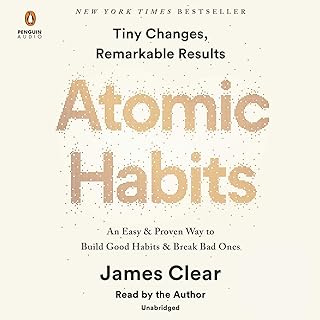
James Clear, in his global bestseller Atomic Habits: An Easy & Proven Way to Build Good Habits & Break Bad Ones, explains that habits are the compound interest of self-improvement. A 1% improvement every day leads to massive results over time. But you need discipline to repeat those tiny actions when the novelty fades.
Here's what research shows about self discipline for students:
| Impact Area | Disciplined Students | Undisciplined Students |
|---|---|---|
| Grades | Consistent, high performance | Inconsistent, last-minute stress |
| Time management | Plan ahead, meet deadlines | Procrastinate, feel overwhelmed |
| Mental health | Lower anxiety, higher confidence | Higher stress, guilt cycles |
| Career readiness | Strong work ethic, reliable | Struggle with structure |
The data doesn't lie. Self discipline for students predicts academic success better than IQ tests or standardized scores. It's the great equalizer.
The Science Behind Self Discipline for Students
Your brain has two systems. System 1 is the impulsive child that wants instant gratification. System 2 is the rational adult that plans for the future. Self-discipline strengthens System 2's ability to overrule System 1.
This is called ego depletion theory: willpower is a limited resource. Use it all day making tough decisions, and you'll have less left for studying. The solution? Automate good habits so you don't rely on willpower for every choice.
The book The Science of Self-Discipline: The Willpower, Mental Toughness, and Self-Control to Resist Temptation and Achieve Your Goals (rated 4.5 stars) dives deep into these mechanisms. It explains how mental toughness isn't something you're born with; it's a skill you train.

Key takeaway: Don't fight temptation every second. Instead, build an environment where the disciplined choice is the easiest choice.
Practical Daily Examples of Self Discipline for Students That Work
Let's get specific. Here are real, repeatable examples that top students use to stay on track. Try one this week.
1. The Morning Routine That Sets You Up to Win
Navy SEAL Admiral William H. McRaven says the first task of the day should be making your bed. It's a small win that triggers momentum.
His book, Make Your Bed: Little Things That Can Change Your Life…And Maybe the World, teaches that starting the day with a completed task builds discipline for the rest of the day. Price: only $6.95, with a 4.7 rating.

Daily example: Wake up at the same time every day. Make your bed. Then spend 15 minutes reviewing notes from yesterday before checking your phone.
2. The Two-Minute Rule for Homework
You dread starting that big project. So you procrastinate. The fix? Commit to working for just two minutes.
Open your laptop, write one sentence, or answer one question. That tiny action builds momentum. You'll likely keep going for twenty minutes. James Clear calls this the "two-minute rule" in Atomic Habits.
Daily example: When you get home from class, immediately spend two minutes reviewing notes. Do not sit on the couch first.
3. The Social Media Blockade During Study Sessions
The average college student checks their phone 96 times a day. A disciplined student uses phone apps, website blockers, or physical distance to remove this temptation.
Daily example: Place your phone in another room during study blocks. Use a timer (e.g., 25 minutes of focus, 5-minute break). This is the Pomodoro Technique powered by self discipline.
4. The "Eat the Frog" Study Approach
Brian Tracy famously said to start your day by doing the hardest task first. Your brain has the most willpower in the morning. Save easy tasks (organizing notes, checking emails) for later.
Daily example: Before your first class, spend 30 minutes on the subject you hate the most. Get it out of the way.
5. The No-Skipping Class Commitment
Disciplined students attend every lecture, even when the professor is boring or the material is tough. They understand that showing up is half the battle.
Daily example: If you're considering skipping, ask yourself: "Will skipping bring me closer to my goals or further away?" Usually, the answer is clear.
How to Build Self Discipline for Students: Actionable Strategies
You can't flip a switch and become disciplined tomorrow. It's a gradual process. Here's the roadmap.
Start Microscopically Small
Most students fail because they set huge goals: "I will study 5 hours every day." That's unsustainable.
Instead, shrink the habit. Aim for 5 minutes of study right after class. Once that becomes automatic, increase to 10 minutes. Then 20. This is the core of Atomic Habits.
Create a Daily Schedule and Track It
Discipline thrives on structure. Use a planner or digital calendar. Block out study time like you would a mandatory meeting.
Pro tip: Color-code your calendar. Green for study, blue for breaks, red for deadlines. The visual clarity reduces decision fatigue.
Find Accountability That Sticks
Tell a friend your study plan. Join a study group. Post your goals in a Discord server. When others expect you to show up, you're less likely to bail.
Book recommendation: The Power of Discipline: How to Use Self Control and Mental Toughness to Achieve Your Goals (4.6 stars) offers 30 practical exercises to build accountability habits.

Remove Temptations Before They Tempt You
This is the environment design principle. Don't rely on willpower to resist chips if the bag is open in front of you. Don't trust yourself to turn off Netflix after one episode.
Daily example: Keep your phone in a drawer or across the room while studying. Use website blockers for social media during work hours. Sleep with your phone outside your bedroom.
Practice Mindfulness and Self-Compassion
Self-discipline isn't about being harsh with yourself. In fact, harsh self-criticism backfires. The book Mindful Self-Discipline: Living with Purpose and Achieving Your Goals in a World of Distractions (4.7 stars) teaches a kinder approach: notice your impulses without acting on them. Breathe. Then choose.

Common Self Discipline Mistakes Students Make (And How to Fix Them)
| Mistake | Why It Fails | The Fix |
|---|---|---|
| Going from zero to extreme | Willpower burns out fast | Start with 5-minute habits |
| Waiting for motivation | Motivation never arrives | Act first, feelings follow |
| All-or-nothing thinking | One slip-up derails everything | Accept imperfect days and keep going |
| Ignoring sleep & nutrition | Physical health powers mental discipline | Prioritize 7-9 hours, eat protein |
| Trying to multitask | Splits focus, drains energy | Single-task during study periods |
Books and Resources to Supercharge Your Self Discipline
If you're serious about mastering self discipline for students, these are the best resources available. I've gathered the top-rated books from Amazon with prices and ratings to help you choose.


Comparison Table: Best Books on Self Discipline for Students
| Product | Image | Price | Rating | Key Focus | Buy at Amazon |
|---|---|---|---|---|---|
| No Excuses!: The Power of Self-Discipline by Brian Tracy | |
$8.66 | 4.7 | Direct, motivational, 21 proven principles | Buy Now |
| Atomic Habits by James Clear | |
Free with Audible / $11.99 book | 4.8 | Habit stacking, tiny changes, big results | Buy Now |
| Make Your Bed by Admiral McRaven | |
$6.95 | 4.7 | Small daily actions, SEAL wisdom, fast read | Buy Now |
| Discipline Is Destiny by Ryan Holiday | |
$5.88 | 4.7 | Stoic philosophy, self-control as strength | Buy Now |
| The Mountain Is You by Brianna Wiest | |
Free with Kindle / $15.99 | 4.7 | Emotional self-sabotage, inner transformation | Buy Now |
| The Science of Self-Discipline by Peter Hollins |  |
Free with Audible | 4.5 | Psychological hacks, mental toughness training | Buy Now |
All these books are highly rated. If you're on a budget, Atomic Habits, The Mountain Is You, and The Science of Self-Discipline are available for free with an Audible trial. No Excuses! at $8.66 is the best value for direct, no-BS advice.
For a comprehensive digital toolkit, check out Digital Self-Discipline: Break Free from Dopamine’s Snare, Overcome Digital Addictions & Reclaim Your Drive (4.8 stars) – perfect for students who struggle with phone addiction.
FAQ About Self Discipline for Students
What is the difference between self-discipline and motivation?
Self-discipline is the ability to act consistently regardless of feelings. Motivation is the emotional desire to act. Motivation gets you started; discipline keeps you going when motivation fades. Relying only on motivation is like driving a car with no fuel gauge – you'll sputter out.
Can self-discipline be learned?
Absolutely. Self-discipline is a skill, not a fixed trait. Your brain rewires itself through repetition (neuroplasticity). Start with tiny habits, be consistent, and your "discipline muscle" will grow. The books listed above are excellent training manuals.
How long does it take to build self-discipline?
Most studies suggest it takes 66 days on average to form a new habit, though it can range from 18 to 254 days depending on the complexity. For self-discipline, focus on one small habit at a time. You'll see improvement within 2–4 weeks if you're consistent.
What are the biggest challenges to self-discipline for students?
The top three are:
- Digital distractions – phones, social media, streaming services
- Lack of structure – no fixed schedule for studying
- All-or-nothing thinking – missing one day and giving up entirely
Overcome these by designing your environment, using a planner, and forgiving yourself for slip-ups.
How does self-discipline affect academic performance?
Research shows that self-discipline predicts GPA, retention, and graduation rates better than IQ. Students who practice self discipline complete assignments on time, participate more in class, and handle exam stress better. It's the single most controllable factor in academic success.
Is self-discipline the same as self-control?
Close but not identical. Self-control is resisting temptation in the moment (e.g., saying no to pizza during a diet). Self-discipline is the proactive, consistent practice of good habits (e.g., meal prepping every Sunday). Self-discipline includes self-control but goes beyond it.
Closing Thoughts: Your Future Self Will Thank You
Self discipline for students isn't about being perfect. It's about being just a little better today than yesterday. It's forgiving yourself when you slip and jumping back on the wagon. It's the quiet power that turns average students into exceptional ones.
Start today. Pick one tiny example from this article. Maybe it's making your bed, studying for five minutes after class, or putting your phone in another room. Just one.
Your degree, your career, and your life will be built on the back of disciplined days. The cost is small. The reward is everything.
Remember, as Ryan Holiday writes in Discipline Is Destiny: The Power of Self-Control: "Wherever you are, whatever you're doing, your worst enemy lives inside you: your own undisciplined self. And your best ally also lives there: your disciplined self."
Be your own ally. Build that discipline. You've got this.