
Exam season hits and suddenly your bed looks more interesting than your textbooks. Your phone feels heavier with every notification. Your brain starts negotiating: “Just five more minutes of YouTube.” We have all been there. But the difference between students who thrive and those who just survive comes down to one thing: self discipline students who build focus systems that last through the chaos.
The good news? Self-discipline isn’t a superpower you are born with. It is a skill you can train, like a muscle. And when you learn the right focus systems, even the toughest exam season becomes manageable. In this guide, you will discover exactly how to become a self discipline student who studies smarter (not just harder), plus the best books and strategies to make it happen.

Let’s be real: Motivation is unreliable. It shows up late and leaves early. Discipline is the friend who stays and does the work with you. That is why building solid focus systems is the only way to ace your exams without burning out.
Table of Contents
Why Self Discipline Students Outperform the Rest
You know those students who seem to breeze through exams without last‑minute panic? They are not smarter than you. They have simply built routines that protect their focus. Self discipline students understand that willpower runs out by the end of the day, so they rely on environmental design and habit stacking.
Here is the reality check: Cramming the night before only works for short‑term recall. Real learning requires spaced repetition and consistent daily effort. That demands a level of self discipline students often ignore until it is too late.
- Self‑discipline turns overwhelming syllabi into manageable daily chunks.
- It protects you from the instant gratification of social media, Netflix, and gaming.
- It builds momentum: one good study session leads to another.
When you are a self discipline student, you stop asking “Do I feel like studying?” and start asking “What system do I follow today?”
Focus Systems Every Self Discipline Student Needs
A focus system is a pre‑set rule that removes decision fatigue. You don’t have to think about what to do next because your system tells you. Here are five proven systems that survive the stress of exam season.
1. The Pomodoro Technique (with a Twist)
You have heard of 25 minutes work, 5 minutes break. But for self discipline students, the magic lies in the why behind the break. Use short breaks to move your body, drink water, or stretch. Do not check your phone. The twist? Customise your intervals: if 25 minutes feels too short, try 45 minutes work with 10 minutes break. The key is consistency.

2. Time Blocking with Intent
Block out specific hours for specific subjects. Write them in your calendar like appointments. Self discipline students treat study blocks as non‑negotiable. When you time block, you tell your brain: “From 2pm to 4pm I am a physics machine.” This reduces the temptation to multitask.
3. The Two‑Minute Rule for Starting
The hardest part of studying is starting. So lower the barrier. Tell yourself you will study for just two minutes. Often, once you start, you keep going. This trick works because it overrides your brain’s fear of big tasks. It is one of the simplest but most powerful tools for self discipline students who struggle with procrastination.
4. Distraction Logging
Keep a small notepad beside your study station. Every time you feel the urge to check Instagram or think about something else, write it down. Do not act on it. Just log it. This externalises the distraction, and after a few sessions you will notice how many of those urges are meaningless. Self discipline students use this to train their attention span.
5. Accountability Scheduling
Set a daily or weekly accountability check. Tell a friend or study partner what you plan to accomplish, then report back. The fear of social disappointment can be a powerful driver when your own motivation dips. This is especially useful during exam season when isolation can lead to slacking.
How to Become a Self Discipline Student (Step by Step)
Becoming a self discipline student does not happen overnight. It requires small daily choices. Here is a step‑by‑step process to build your focus system.
- Identify your biggest time leak. Is it your phone? Bed? Procrastinating on which subject to start? Name it.
- Remove the temptation. Put your phone in another room. Use website blockers like Freedom or Cold Turkey. Your study space should be a shrine to focus.
- Set clear goals for each session. Instead of “study biology,” say “review chapter 7 and make flashcards on cell division.”
- Use a timer. Commit to one focused block with no interruptions.
- Reward yourself after each block. But choose a reward that does not pull you back into distraction—like a short walk, a piece of fruit, or listening to one song.
- Review your day every evening. Ask: “What worked? What broke my focus? How can I improve tomorrow?”
Self discipline students do not aim for perfection. They aim for consistency. If you miss a day, just get back on track the next day. Guilt is a waste of energy.
The Books That Build Unbreakable Focus
You can accelerate your growth as a self discipline student by learning from the best. Here are some of the most powerful books on self‑discipline, focus, and mental toughness. Each one contains systems you can apply immediately.
| Book Image | Title | Price | Rating | Key Insight | Buy Link |
|---|---|---|---|---|---|
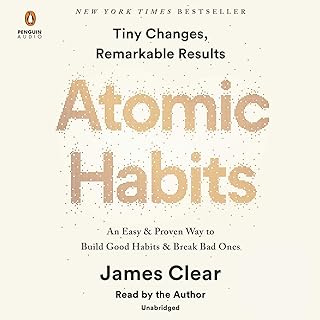 |
Atomic Habits | $0.00 (audiobook) | 4.8 | Small daily habits create massive results over time. | Buy at Amazon |
 |
No Excuses! | $8.66 | 4.7 | Practical advice on building discipline in every area of life. | Buy at Amazon |
|
The Power of Discipline | $16.83 | 4.6 | Mental toughness and self‑control techniques to achieve goals. | Buy at Amazon |
 |
Discipline Equals Freedom | $12.93 | 4.7 | Jocko Willink’s raw, motivating field manual for discipline. | Buy at Amazon |
 |
The Mountain Is You | $0.00 (audiobook) | 4.7 | Transform self‑sabotage into self‑mastery. | Buy at Amazon |
Each of these books offers unique strategies that self discipline students can apply during exam season. For example, Atomic Habits teaches you to make studying easy and obvious, while No Excuses! reminds you that comfort is the enemy of greatness.
Why Your Phone Is Not Your Study Buddy
Let’s talk about the elephant in the room: your smartphone. It is designed to be addictive. Notifications are dopamine hits. Every swipe gives you a little reward. When you try to study, your brain craves that instant gratification. Self discipline students understand that willpower alone cannot fight a billion‑dollar algorithm.
The solution is not willpower; it is environment. Remove your phone from the room. Use an old‑school alarm clock if you need to wake up. For study breaks, step away from screens entirely. If you must use a device for studying, use a distraction‑free app or a separate user profile.

The book Digital Self-Discipline dives deep into breaking free from dopamine traps. Many self discipline students credit it with helping them reclaim hours of wasted screen time.
Real Example: How a Student Used Systems to Ace Finals
Sarah was a second‑year university student drowning in coursework. She tried to study but always ended up scrolling TikTok. She described herself as “lazy.” But she was not lazy; she lacked a system. After implementing the Pomodoro technique with time blocking, she saw a dramatic shift. She started logging her distractions and realised she was not actually bored—she was overwhelmed.
She became a self discipline student by breaking her study sessions into 45‑minute blocks, each with a specific goal. She put her phone in a box in her closet. She used an accountability partner from her class. By exam season, she was ahead of schedule.
Her secret? She did not rely on motivation. She relied on routines. And she read The Power of Self-Discipline: 5-Minute Exercises to build micro‑habits of focus.
The 30‑Day Challenge for Self Discipline Students
If you want a structured approach, try a 30‑day discipline challenge. The book Self Discipline: 30 Days to Self Discipline provides daily exercises. It is free on Kindle Unlimited and perfect for students who want a clear roadmap.
Here is your mini 30‑day plan:
- Week 1: Identify your biggest distraction and remove it. Practice 2‑minute starts.
- Week 2: Add one Pomodoro block each day. Log distractions.
- Week 3: Introduce accountability (friend or app). Time block your study hours.
- Week 4: Review your progress. Celebrate the wins. Refine your system.
After 30 days, the habits become automatic. You will think like a self discipline student naturally.
Overcoming Common Obstacles
Even the best systems face resistance. Here is how to handle the biggest roadblocks:
- Procrastination is a symptom of fear. Fear of failure, fear of hard work. Break tasks into tiny pieces. The smaller the task, the less scary it seems.
- Fatigue and burnout. Schedule rest. Sleep is non‑negotiable. Your brain consolidates memories while you sleep. Sacrificing sleep for study backfires.
- Social pressure. Friends may want to go out. Learn to say no. The book Yes to You, No to Them covers the discipline of saying no and the freedom that follows.
- Mistakes and bad days. They happen. Do not let one bad day derail your week. Forgive yourself and start fresh tomorrow.
Self discipline students are not perfect. They just get back up faster.
FAQ
1. Can self‑discipline really be learned, or are some people just born with it?
Yes, it can be learned. Research shows that self‑discipline is like a muscle. You train it with small, consistent actions. Books like The Science of Self-Discipline explain the neuroscience behind it.
2. How do I stay disciplined when my exam is months away?
Use the same systems as if the exam were next week. Create a study schedule that reviews material regularly. Spaced repetition reduces last‑minute cramming. The key is to make discipline a habit, not a reaction.
3. What if I have ADHD or find it extremely hard to focus?
The same focus systems work well for ADHD. Short bursts (Pomodoro), external accountability, and reducing environmental distractions are especially effective. Combine them with professional support if needed.
4. How many hours should a self discipline student study per day?
Quality matters more than quantity. For most students, 3‑5 focused hours per day during exam season is enough. Beyond that, diminishing returns set in. Your brain needs breaks to absorb information.
5. Are there any apps or tools that help with self‑discipline?
Yes, apps like Forest, Freedom, and Cold Turkey block distractions. The key is to choose one and use it consistently. The discipline comes from the habit of using the tool, not the tool itself.
Final Thought: You Already Have What It Takes
Becoming a self discipline student is not about becoming a robot. It is about respecting your future self enough to do the work today. It is about choosing the hard thing now so that exam season does not feel like a war zone.
Start small. Pick one system from this article and use it tomorrow. Then add another. Over time, you will build a focus system that survives not just exam season, but every challenge life throws at you.
Remember: discipline equals freedom. The more you practice it, the freer you become to enjoy life without guilt. You have got this.
Now go crush those exams.