
You know the feeling. You set a goal, feel fired up for three days, and then… nothing. The motivation fizzles. The alarm gets snoozed. The project sits untouched. You wonder why some people seem to have endless willpower while you’re stuck in a loop of starting and stopping.
Here’s the truth: self-discipline is not a talent you’re born with. It’s a skill you build, one small choice at a time. And you don’t need to overhaul your entire life overnight. In fact, trying to do that is exactly why most people fail.
Learning self-discipline is about creating a simple, repeatable routine that works with your brain, not against it. This guide gives you a step-by-step method to build consistency from absolute zero. No hype. No magic pills. Just a clear path forward.
If you want a powerful resource to kickstart your journey, grab a copy of No Excuses!: The Power of Self-Discipline by Brian Tracy. It’s a straight-talking manual that’s helped thousands of people stop making excuses and start taking action.

Table of Contents
Why You Should Learn Self Discipline Now
Let’s cut through the fluff. Self-discipline is the foundation of every meaningful achievement. It’s what separates the dreamers from the doers. Without it, talent, intelligence, and even good luck mean very little.
When you learn self-discipline, you gain the ability to:
- Do what needs to be done even when you don’t feel like it.
- Resist short-term temptations in favor of long-term rewards.
- Build habits that stick — exercise, reading, saving money, focused work.
- Bounce back from setbacks without derailing your progress.
The good news? Self-discipline works like a muscle. The more you train it, the stronger it gets. And you don’t need a fancy gym membership. You just need a routine that respects where you are right now: at zero.
The Myth of Motivation
Most people think they need to feel motivated before they can act. That’s backward. Motivation follows action, not the other way around. Waiting for the “right mood” is a trap that keeps you stuck.
Think about brushing your teeth. You don’t need a pep talk. You just do it because it’s a habit. That’s the level you want to reach with self-discipline.
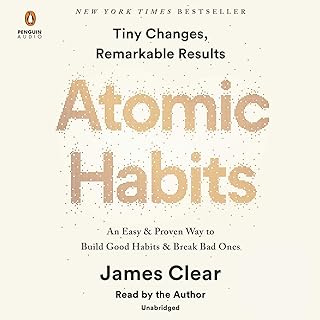
The science backs this up. Studies show that willpower is a limited resource, but self-discipline can be automated through routines. James Clear explains this beautifully in his book Atomic Habits: An Easy & Proven Way to Build Good Habits & Break Bad Ones. By focusing on tiny changes, you can achieve remarkable results without relying on motivation.
The Step-by-Step Routine to Learn Self Discipline (From Zero)
This routine is designed for someone who has tried and failed before. It’s gentle enough to start, but powerful enough to transform your consistency. Follow these six steps in order. Don’t skip ahead.
Step 1: Define Your “Why” in One Sentence
Before you do anything else, get crystal clear on why you want to learn self-discipline. A vague reason like “to be more productive” won’t cut it. You need something that tugs at your heart on hard days.
Write down one sentence that answers: What will self-discipline give me that I don’t have now?
Example: “I want to learn self-discipline so I can finish my novel and become a published author within two years.”
Keep that sentence somewhere you’ll see daily. It’s your compass.
Step 2: Start with One Non-Negotiable Daily Habit
Trying to change everything at once is the fastest way to burn out. Instead, pick one tiny habit and make it non-negotiable. Do it every single day, no matter what.
What habit should you choose? Start with something that builds momentum. For most people, that’s making your bed first thing in the morning. It’s a small win that sets a disciplined tone for the day.
In his book Make Your Bed: Little Things That Can Change Your Life…And Maybe the World, Admiral William H. McRaven explains how this simple act can trigger a cascade of better decisions.

Your task: For the first 7 days, commit to making your bed. That’s it. If you do nothing else, you still succeed.
Step 3: Implement the “Two-Minute Rule”
When you’re building consistency from zero, the biggest enemy is resistance. Your brain sees a big task and screams “nope!” The antidote is to make the first step so easy that resistance never kicks in.
The Two-Minute Rule states: Any new habit should take less than two minutes to start.
Examples:
- Want to learn self-discipline for exercise? Put on your workout shoes. That’s two minutes.
- Want to read more? Open the book to page one.
- Want to write daily? Write two sentences.
After you do the two-minute version, you’ll often find yourself continuing. But even if you stop, you’ve kept your streak. Consistency beats intensity every time.
Step 4: Create a Morning Anchor Routine
Your morning sets the tone for your entire day. Design a 5-minute anchor routine that you do every morning without exception. This routine should include:
- Make your bed (your non-negotiable from Step 2).
- Drink a glass of water.
- State your “why” out loud.
- Do one small task related to your biggest goal (two minutes max).
This anchor routine signals to your brain: “We’re in discipline mode now.” After a few weeks, it becomes automatic.
Step 5: Track Your Streak (Even When You Fail)
Tracking creates accountability. Use a simple calendar or a habit tracker app. Every day you complete your non-negotiable habit, put a big X on that date. Don’t break the chain.
But here’s the critical part: if you miss a day, don’t skip two. Missing one day is a mistake. Missing two days is the start of a new bad habit. Get back on track immediately. Forgive yourself, but don’t quit.
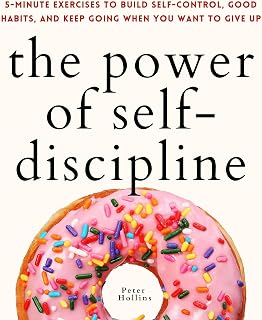
The Power of Self-Discipline: 5-Minute Exercises to Build Self-Control, Good Habits, and Keep Going When You Want to Give Up by Peter Hollins provides excellent short exercises to keep your streak alive even on tough days.
Step 6: Remove Temptation, Not Just Willpower
Willpower is like a fuel tank. Every time you resist a temptation, you burn some fuel. By the end of the day, you’re running on fumes. Smart self-discipline reduces the need for willpower by designing your environment.
- Keep your phone in another room while you work.
- Unsubscribe from distracting newsletters.
- Prep your workout clothes the night before.
- Use website blockers during focus hours.
Digital Self-Discipline: Break Free from Dopamine’s Snare, Overcome Digital Addictions & Reclaim Your Drive dives deep into how to master your environment in the age of constant distraction.

What to Do When You Hit a Wall
Even with a great routine, you will face resistance. Here’s how to push through without self-destructing.
The “Never Zero” Principle
On days when you feel completely unmotivated, commit to doing just one rep of your habit. One push-up. One sentence of writing. One minute of meditation. As long as you do something, your streak stays alive. Zero is the enemy. One is the hero.
Reframe “I Have To” as “I Choose To”
Your brain resists obligations. Instead of saying “I have to work out,” say “I choose to work out because it gives me energy.” This simple shift reclaims your power and reduces resentment.
Use the 10-10-10 Rule
When tempted to quit, ask yourself: How will I feel about this decision in 10 minutes? 10 months? 10 years? Short-term pleasure rarely wins against long-term regret.
If you want to dive deeper into the psychology behind willpower and consistency, check out The Science of Self-Discipline: The Willpower, Mental Toughness, and Self-Control to Resist Temptation and Achieve Your Goals. It breaks down the neuroscience in practical terms.

How to Level Up After 30 Days
Once you’ve maintained your one non-negotiable habit for 30 days, it’s time to expand. Add a second habit. But follow the same rules: keep it small, tie it to an existing routine, and track it.
After 60 days, your brain will have rewired itself. What once felt like torture now feels natural. You’ll have built the foundation of self-discipline.
At this point, you might want to explore Stoic philosophy, which offers timeless techniques for self-control. Discipline Is Destiny: The Power of Self-Control (The Stoic Virtues Series) by Ryan Holiday is a brilliant read for those ready to deepen their practice.

Comparison Table: Top Resources to Learn Self Discipline
To help you choose the best tool for your journey, here’s a comparison of five highly recommended books. Each offers a unique angle on building self-discipline.
| Product | Rating | Price | Key Focus | Buy at Amazon |
|---|---|---|---|---|
|
4.7 | $8.66 | Practical exercises, no-nonsense approach | Buy Now |
|
4.8 | $0.00 (with Audible trial) | Habit stacking, identity change | Buy Now |
 |
4.7 | $12.93 | Mental toughness, military-style mindset | Buy Now |
 |
4.6 | $16.83 | Self-control strategies, goal achievement | Buy Now |
 |
4.7 | $0.00 (with Audible trial) | Overcoming self-sabotage, emotional mastery | Buy Now |
Real Stories: How Ordinary People Learned Self Discipline
Let’s look at two examples that show this routine in action.
Sarah’s 90-Day Turnaround
Sarah, a 34-year-old teacher, couldn’t stick to any habit for more than a week. She started by making her bed every morning. That was her only goal. After 30 days, she added a two-minute meditation. After 60 days, she started prepping her lunches the night before. By day 90, she was waking up at 5:30 AM, exercising, and finishing her lesson plans before school started. She didn’t rely on motivation — she relied on her anchor routine and tracking streak.
Marcus Conquers Procrastination
Marcus, a freelance designer, struggled with deadline after deadline. He began with the two-minute rule: open his design software and create one element. Some days he worked for hours; other days he stopped after two minutes. But he never missed a day. Six months later, his income had doubled. “The discipline came from showing up when I didn’t want to,” he says.
Common Mistakes When Learning Self Discipline
Avoid these traps to keep your momentum.
Mistake #1: Starting Too Big
You think “I’ll exercise for an hour every day” and crash by day three. Start so small it feels ridiculous. Then build.
Mistake #2: Ignoring Your Environment
If your kitchen is full of junk food, willpower won’t save you. Design your space for success.
Mistake #3: All-Or-Nothing Thinking
Missed a day? That’s fine. Don’t let one slip turn into a week of failure. Learn self-discipline by being kind to yourself when you stumble.
FAQ About Learning Self Discipline
Q: How long does it take to build self-discipline?
A: Most research suggests that a new habit becomes automatic in 21 to 66 days, depending on the complexity. The key is consistency, not speed.
Q: Can self-discipline be learned at any age?
A: Absolutely. Your brain remains plastic throughout your life. Whether you’re 18 or 80, you can rewire it for discipline.
Q: What if I have ADHD or a condition that affects focus?
A: The routine still works, but you may need extra environmental modifications. Break tasks into even smaller pieces and use external accountability.
Q: Is self-discipline the same as willpower?
A: Not exactly. Willpower is the momentary resistance; self-discipline is the system that makes willpower unnecessary. Focus on building routines, not fighting urges.
Final Thoughts: Your First Step Is Tiny
You don’t need a grand transformation. You just need to start with one small act of discipline today. Make your bed. Write one sentence. Do one push-up. Then do it again tomorrow.
Every time you follow through, you tell yourself: I am someone who keeps promises to myself. That belief grows with each repetition. And one day, you’ll look back and realize you’ve become a person of unshakable consistency.
For a daily dose of wisdom and motivation, keep 365 Days With Self-Discipline: 365 Life-Altering Thoughts on Self-Control, Mental Resilience, and Success by your bedside. One page per day can keep your mindset sharp.

You have everything you need to learn self-discipline. The routine is here. The resources are linked. Now, it’s your turn to take the first step.