
You know that voice in your head whispering "just five more minutes" or "skip the workout today"? Brian Tracy built an entire philosophy around shutting that voice down. In his classic book, No Excuses!: The Power of Self-Discipline, Tracy argues that self discipline is the single most important quality for achieving anything meaningful in life. It is not about punishment or rigidity. It is about freedom. Freedom from your own worst impulses. Freedom to become who you decide to be.

This is not another "wake up at 5 AM" rant. Brian Tracy the power of self discipline teaches you that self control is a learnable skill, not a genetic gift. And once you understand how habits, focus, and personal control work together, you can transform your career, health, relationships, and finances.
In this deep dive, we will unpack exactly what Tracy teaches, back it with insights from other top books on the topic, and give you a practical blueprint to build unshakable self discipline. Ready? Let's get to work.
Table of Contents
What Is Self Discipline According to Brian Tracy?
Self discipline, in Tracy's framework, is the ability to do what you should do, when you should do it, whether you feel like it or not. It is the bridge between your goals and your accomplishments. Without it, knowledge is useless. Motivation fades. Talent goes to waste.
Tracy breaks self discipline into three main pillars: habits, focus, and personal control. Each one feeds the other. When you master all three, you stop being a passenger in your own life and start being the driver.
Habits: The Automatic Engine of Success
Your habits are the daily decisions and actions that shape your future. Tracy says that 95% of everything you do is dictated by habit. That is either great news or terrifying news, depending on what you have been practicing.
The good news is that you can reprogram your habits with deliberate practice. In No Excuses!, Tracy emphasizes that self discipline is what allows you to replace a bad habit with a good one. It is not about eliminating bad habits through willpower alone. It is about creating new routines that eventually run on autopilot.
Atomic Habits: An Easy & Proven Way to Build Good Habits & Break Bad Ones by James Clear expands on this idea. Clear shows that tiny changes, 1% improvements, compound into remarkable results. Tracy would agree. He often says that self discipline is doing the little things consistently, especially when no one is watching.
Focus: The Power of Single-Minded Attention
Distraction is the enemy of self discipline. Tracy teaches that focus is the ability to concentrate on one task until it is complete. Multitasking is a myth. Every time you switch tasks, you lose time and mental energy.
To build focus, Tracy recommends the "single-handle" method. Pick the most valuable task you can do right now. Do nothing else until it is finished. That is it. No email checks. No phone scrolling. Just focused work.
Make Your Bed: Little Things That Can Change Your Life…And Maybe the World by Admiral William H. McRaven echoes this. Start your day by completing a small task (making your bed). That small win sets the tone for discipline throughout the day. Focus is built one single task at a time.
Personal Control: Master of Your Own Mind
Personal control means managing your thoughts, emotions, and actions even when external circumstances are chaotic. Tracy calls this "internal locus of control." People with strong personal control do not blame others. They take full responsibility for their results.
This is where many people slip. It is easier to blame traffic for being late or a difficult boss for a bad day. But Tracy insists that between stimulus and response, you have a choice. The disciplined person recognizes that choice and uses it wisely.
Discipline Is Destiny: The Power of Self-Control by Ryan Holiday offers a Stoic perspective on exactly this. Real freedom comes from self mastery, not from external circumstances. When you control yourself, you are unshakeable.
How Brian Tracy the Power of Self Discipline Transforms Your Habits
Let's go deeper into the habit formation process. Tracy outlines a straightforward method for building new habits. It is not complicated, but it requires consistency.
-
Decide exactly what habit you want to build. Vagueness is the kiss of death. Instead of "eat healthier," commit to "eat one serving of vegetables with lunch every day."
-
Start small and build momentum. Do not try to change everything at once. Pick one habit and practice it for 21 to 30 days. Tracy believed that is roughly how long it takes to form a new pattern.
-
Remove all temptations. If you want to stop mindless snacking, do not keep chips in the house. Environment design is a form of self discipline. Make the right choice the easy choice.
-
Track your progress. What gets measured gets managed. A simple checklist or app can keep you honest.
-
Celebrate small wins. Every day you stick to the habit, acknowledge it. This reinforces the behavior.
The Science of Self-Discipline: The Willpower, Mental Toughness, and Self-Control to Resist Temptation and Achieve Your Goals explains the neuroscience behind this. Each time you resist a temptation or repeat a good habit, you strengthen the neural pathways that support self control. It is like building a muscle. Consistency matters more than intensity.
The Role of Mental Toughness in Personal Control
Mental toughness is what keeps you going when motivation disappears. Tracy says that motivation is like a shower. It works best when it is daily. But eventually the water runs cold. That is when self discipline takes over.
Mental toughness is built through small acts of courage. Every time you do something hard on purpose, you prove to yourself that you are capable. You develop a kind of internal armor.
The Mountain Is You: Transforming Self-Sabotage into Self-Mastery by Brianna Wiest dives into why we sabotage ourselves. Often it is fear of success or fear of the unknown. Self discipline is the tool that cuts through that fear. When you act despite fear, you gain control over your own mind.
Practical Exercises to Build Mental Toughness
- Cold showers: Not for everyone, but a classic Stoic practice. Briefly enduring discomfort reminds you that you can handle more than you think.
- The 5 minute rule: When you want to quit a task, commit to doing just five more minutes. Usually you will keep going.
- Daily affirmations: Tracy recommends repeating positive statements about your goals. "I am a disciplined person. I always do what I say I will do." Your brain believes what you tell it.
The Power of Discipline: How to Use Self Control and Mental Toughness to Achieve Your Goals provides a step-by-step plan for building exactly this mindset. It includes exercises for self control and delayed gratification.
Focus: The Forgotten Superpower
In a world of constant notifications, focus has become rare and therefore valuable. Tracy teaches that focus is a form of self discipline. You are not only choosing what to do; you are choosing what not to do.
The Pomodoro Technique is a practical tool. Work for 25 minutes with no interruptions, then take a five minute break. Repeat. This trains your brain to focus in short bursts and builds the discipline of sustained attention.
Digital Self-Discipline: Break Free from Dopamine’s Snare, Overcome Digital Addictions & Reclaim Your Drive is a newer book that addresses modern digital distractions. It offers strategies to reclaim your focus from social media, apps, and addictive content. The principles align perfectly with Tracy's teachings.
The Compound Effect of Focused Work
When you focus on one high value task for an extended period, you enter a state of flow. Time disappears and productivity soars. Tracy calls this "working on the 20%" that produces 80% of your results. The Pareto Principle applies to self discipline too.
The Psychology of Self-Discipline: Twenty-Four Proven Strategies to Rewire Your Brain for Consistent Action offers 24 strategies to build consistent focus. It includes cognitive behavioral techniques that address the root causes of procrastination.
Personal Control: From Reactive to Proactive
It is one thing to know what to do. It is another to actually do it. Personal control means you are the author of your life, not a character reacting to events.
Tracy teaches a simple decision making framework:
- Know your values. What matters most to you? Every decision should align with those values.
- Visualize your ideal future. See it in detail. Then work backward to determine what you must do today.
- Use the "ASAP" method: Always say "As Soon As Possible" instead of procrastinating. Take immediate action on small tasks.
The Four Agreements: A Practical Guide to Personal Freedom by Don Miguel Ruiz offers a complementary perspective. The four agreements (be impeccable with your word, don't take anything personally, don't make assumptions, always do your best) are powerful disciplines for personal control. When you live by these agreements, you stop giving away your power.
Book Comparison: Top Self Discipline Resources
Below is a comparison of some of the best books on self discipline. Each offers unique insights but all reinforce the core message of Brian Tracy the power of self discipline.
| Title | Author | Price | Rating | Key Focus | Buy at Amazon |
|---|---|---|---|---|---|
| No Excuses!: The Power of Self-Discipline | Brian Tracy | $8.66 | 4.7 | Habits, focus, personal control | |
| Atomic Habits | James Clear | $0.00 (audible) | 4.8 | Tiny habit building, compound effect | 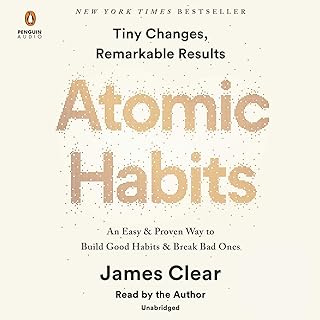 |
| Discipline Is Destiny | Ryan Holiday | $5.88 | 4.7 | Stoic self control, resilience |  |
| The Science of Self-Discipline | Peter Hollins | $0.00 (audible) | 4.5 | Neuroscience of willpower, mental toughness |  |
| The Mountain Is You | Brianna Wiest | $0.00 (audible) | 4.7 | Self sabotage, emotional mastery |  |
| Discipline Equals Freedom | Jocko Willink | $12.93 | 4.7 | Extreme ownership, daily discipline |  |
| The Power of Self-Discipline (5-Minute Exercises) | Peter Hollins | $0.00 (audible) | 4.4 | Quick exercises for self control | 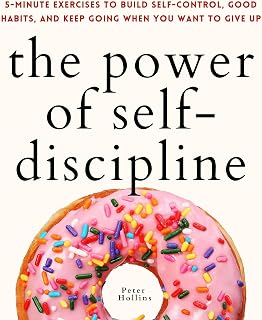 |
| Stoic Self-Discipline | Thomas Jacob | $19.99 | 4.7 | Ancient Stoic secrets for modern discipline |  |
How to Apply Brian Tracy's Principles in Real Life
You have read the concepts. Now let's talk about implementation. Theory without action is just entertainment. Here is how you start building Brian Tracy the power of self discipline into your daily routine.
Morning Routine: Set the Tone
Your first hour sets the trajectory of your day. Tracy recommends a morning ritual that includes exercise, reading, and planning. Even ten minutes of each can make a difference.
- Wake up at the same time every day, even on weekends.
- Drink a glass of water. Then move your body for at least five minutes.
- Review your top three goals for the day. Write them down.
- Read something inspiring or educational for ten minutes.
Make Your Bed emphasizes that small morning victories create momentum. When you start the day with discipline, you are less likely to break it later.
Daily Work: Protect Your Focus
Set aside two to three hours of uninterrupted work time each day. Turn off notifications. Close unnecessary tabs. Use a timer if needed.
Tracy's "eat that frog" method says to do your hardest, most important task first thing in the morning. Once it is done, everything else feels easier.
- Identify your "frog" the night before.
- Block time in your calendar.
- Work in focused sprints (Pomodoro recommended).
Evening Routine: Review and Recharge
Self discipline is not about being "on" 24/7. It requires recovery. Tracy advises that you review your day before sleep. What went well? What could you improve? Then forgive yourself and rest.
365 Days With Self-Discipline: 365 Life-Altering Thoughts on Self-Control, Mental Resilience, and Success provides daily reflections that keep you on track. Consistency over time is what builds the power of self discipline.
Common Obstacles and How to Overcome Them
Even with the best plan, you will face resistance. Here are the most common obstacles and Tracy's recommended solutions.
Procrastination
Procrastination is not laziness. It is fear. Fear of failure, success, or discomfort. Tracy says the cure is immediate action. Do something, anything, related to the task for just two minutes. Motion creates motivation.
Mindful Self-Discipline: Living with Purpose and Achieving Your Goals in a World of Distractions suggests using mindfulness to notice when you are avoiding a task. Simply observe the feeling without judgment and then take the smallest possible step forward.
Lack of Clear Goals
When your goals are vague, your discipline weakens. Tracy insists that you write down your goals every day. The act of writing makes them real. Use SMART criteria: Specific, Measurable, Achievable, Relevant, Time bound.
Negative Self Talk
You cannot discipline yourself if you constantly undermine yourself. Tracy recommends replacing "I can't" with "I haven't yet." Reframe failures as feedback. Every mistake is data that helps you adjust your approach.
Note to Self: The Discipline of Preaching to Yourself by Joe Thorn is about the spiritual discipline of speaking truth to your own soul. While Tracy's approach is secular, the principle is the same: what you tell yourself matters.
The Role of Delayed Gratification
Self discipline is essentially the ability to delay gratification. It is choosing a future reward over an immediate one. Walter Mischel's famous marshmallow test showed that children who could wait for a second marshmallow ended up with better life outcomes. Tracy would say that this skill can be learned at any age.
One practical way to practice delayed gratification is the "10 10 10 rule." Before giving in to a temptation, ask yourself: How will I feel about this decision in 10 minutes? 10 months? 10 years? Usually the answer makes the right choice obvious.
The Power of Self-Discipline: 5-Minute Exercises to Build Self-Control, Good Habits, and Keep Going includes exactly this kind of exercise. Short, daily drills that strengthen your ability to pause and choose wisely.
Why Self Discipline Leads to Freedom
You might think self discipline sounds restrictive. But Tracy flips that. Without discipline, you are a slave to your impulses. You eat junk food, scroll social media, and neglect your goals. That is not freedom. That is captivity.
Real freedom is the ability to choose your actions consciously. It is the power to say no to what does not serve you, so you can say yes to what matters.
Discipline Equals Freedom: Field Manual Mk1-MOD1 by Jocko Willink makes this point bluntly: "Discipline equals freedom." When you are disciplined, you are not controlled by anyone or anything. You set the rules.
FAQ About Brian Tracy the Power of Self Discipline
What is the main message of No Excuses! by Brian Tracy?
The book teaches that self discipline is the key to success in every area of life. Tracy provides practical strategies for building habits, maintaining focus, and taking personal responsibility. It is a no nonsense guide to achieving your goals.
Is self discipline something you are born with or can you learn it?
Tracy firmly believes self discipline is a learnable skill. It is like a muscle that grows stronger with practice. Anyone can develop it through consistent, deliberate effort.
How long does it take to build self discipline according to Tracy?
He suggests 21 to 30 days of consistent practice to form a new habit or discipline. However, lasting change requires ongoing maintenance. It is not a one time fix but a lifelong practice.
What are the three pillars of self discipline in Tracy's framework?
Habits, focus, and personal control. Each pillar supports the others. Strong habits improve focus. Focus helps you maintain personal control. Personal control makes it easier to build good habits.
How does Brian Tracy define success?
Success is the progressive realization of a worthwhile goal. It is not about money or fame alone but about becoming the person you are capable of being. Self discipline is the vehicle that gets you there.
What is the best book to start with if I am new to self discipline?
Start with No Excuses!: The Power of Self-Discipline itself. It is comprehensive, affordable, and directly addresses the core principles. Then supplement with Atomic Habits for habit building and Discipline Is Destiny for Stoic mindset.
The Bottom Line: Your Life Starts Now
Brian Tracy the power of self discipline is not a quick fix. It is a long term investment in yourself. Every time you resist a temptation, you grow stronger. Every time you do the hard thing, you build confidence. Every time you choose your future over your present craving, you move closer to the life you want.
You do not need to be perfect. You just need to start. One small disciplined action today leads to another tomorrow. Before you know it, discipline becomes part of who you are.
Grab a copy of No Excuses! if you have not already. Read it. Apply it. And watch your life change one disciplined choice at a time.