
If you’ve ever wondered how to be more self discipline, you’re not alone. Willpower feels like a limited resource. You start strong, then life gets loud. The secret isn’t grinding harder — it’s building systems that make discipline feel effortless.
So let’s cut through the noise. How to be more self discipline isn’t about becoming a robot. It’s about designing your world so the right choice becomes the easy choice. These seven systems are proven, practical, and built for real humans who want lasting change.
Table of Contents
System 1: How to Be More Self Discipline by Designing Your Environment
You can’t out‑willpower a bad setup. Every time you leave cookies next to your laptop, you’re forcing your brain to fight a battle it will eventually lose.
The fix? Make good choices friction‑free.
- Put your workout clothes next to your bed. In the morning, you don’t think — you just put them on.
- Hide your phone in another room while you work. Out of sight, out of dopamine cycle.
- Keep healthy snacks at eye level in the fridge. Bury the junk behind the veggies.
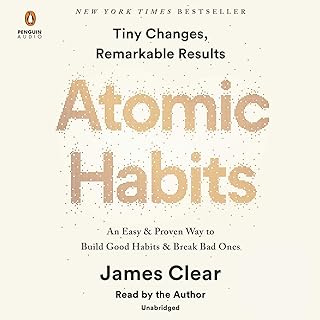
James Clear, author of Atomic Habits: An Easy & Proven Way to Build Good Habits & Break Bad Ones, calls this “the law of least effort.” When your environment does the heavy lifting, you spend less willpower and more energy on what matters.
You don’t need to be strong all the time. You need a room that does half the work for you.
System 2: The 2‑Minute Rule — Start So Small You Can’t Say No
One of the biggest reasons people fail at how to be more self discipline is they aim too high too fast. You set a goal to exercise for an hour. Day one is fine. Day two you’re already making excuses.
The 2‑minute rule says: scale down your habit until it takes less than two minutes.
- Want to read more? Read one page.
- Want to meditate? Sit for one breath.
- Want to write? Write one sentence.
Once you start, momentum takes over. You almost always do more than two minutes. And even if you don’t, you still did the habit. That consistency rewires your brain.
This system works because it kills the biggest enemy of self‑discipline: overwhelm.
System 3: How to Be More Self Discipline Through Implementation Intentions
“I’ll work out tomorrow” is a wish. “If it’s 6 AM, then I will put on my shoes and walk out the door” is a plan.
Implementation intentions are simple “if‑then” statements that automate your decisions. They remove the moment of hesitation where temptation sneaks in.
- If it’s 7 PM, then I will start my deep work session.
- If I crave junk food, then I will eat a piece of fruit first.
- If I finish a task, then I will stand up and stretch for 60 seconds.
Research shows that people who use if‑then plans are two to three times more likely to follow through. You stop relying on motivation and start relying on a system.
Write down three if‑then rules for your biggest challenge right now. Tape them where you can see them.
System 4: The Daily Non‑Negotiable — One Keystone Habit
You don’t need to overhaul your entire life at once. How to be more self discipline works best when you focus on one keystone habit that pulls everything else into alignment.
Common keystone habits include:
- Making your bed every morning (as Admiral McRaven famously explained in Make Your Bed: Little Things That Can Change Your Life…And Maybe the World). It sets a tone of order for the day.
- Exercising first thing — it boosts confidence, energy, and decision‑making.
- Tracking your calories or spending — it increases awareness across the board.

Pick one non‑negotiable. Do it every single day for 30 days. You’ll be shocked how that single anchor makes other good choices more natural.
System 5: How to Be More Self Discipline by Scheduling Your Temptation
Discipline isn’t about total deprivation — that backfires every time. The key is to schedule your indulgences so they don’t hijack your day.
This is sometimes called “structured procrastination” or “temptation bundling.”
- Allow yourself 20 minutes of social media after you finish a difficult task.
- Plan a cheat meal on Saturday, not when you’re hangry at 4 PM on a Tuesday.
- Use a timer for Netflix: once it rings, the show stops.
By giving yourself permission to enjoy life, you remove the “forbidden fruit” effect. Your brain stops obsessing because it knows the reward is coming.
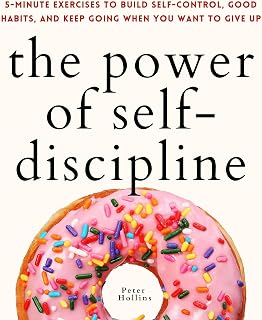
The book The Power of Self-Discipline: 5-Minute Exercises to Build Self-Control, Good Habits, and Keep Going When You Want to Give Up suggests using micro‑breaks to rebuild willpower. Schedule five minutes of guilt‑free scrolling after 25 minutes of focused work. Your brain gets a treat, and you stay on track.
System 6: The Power of Self‑Forgiveness
You will slip. Everyone does. The difference between people who master how to be more self discipline and those who quit is how they handle a slip.
Shame spirals are discipline killers. “I ate the cookie, so the day is ruined — might as well eat the whole box.” That’s the “what‑the‑hell effect.”
Instead, practice self‑forgiveness:
- Acknowledge the mistake without judgment.
- Ask: “What can I learn from this?”
- Get back on track immediately. One bad meal doesn’t make you unhealthy; one missed workout doesn’t make you lazy.
Research shows that people who forgive themselves after a slip are more likely to stick with their goals long‑term. Be kind. Then get back to work.
System 7: How to Be More Self Discipline with a Accountability Structure
Willpower is personal. Accountability is social — and far more powerful.
When you know someone is watching, you perform better. It’s called the Hawthorne effect. Use it to your advantage.
- Tell a friend your weekly goal. Ask them to check in on Thursday.
- Join an online community that shares your habit (fitness, writing, early rising).
- Hire a coach or buy a course that demands weekly progress.
Even a simple text to a buddy — “I did it today” — raises your commitment level.
For deeper reading on building mental toughness and accountability, check out Ryan Holiday’s Discipline Is Destiny: The Power of Self-Control (The Stoic Virtues Series). It shows how legendary figures used accountability to themselves — and to their values — to achieve extraordinary things.

Best Books on Self‑Discipline: Quick Comparison
These seven systems are powerful on their own, but deep knowledge accelerates your progress. Here are the top books on how to be more self discipline, compared at a glance.
| Product | Price | Rating | Buy at Amazon |
|---|---|---|---|
| Atomic Habits |
Free (audible) / $12+ | ⭐4.8 | Buy now |
 No Excuses! No Excuses! |
$8.66 | ⭐4.7 | Buy now |
 Discipline Is Destiny Discipline Is Destiny |
$5.88 | ⭐4.7 | Buy now |
 The Mountain Is You The Mountain Is You |
Free (audible) / $14+ | ⭐4.7 | Buy now |
 Mindful Self‑Discipline Mindful Self‑Discipline |
Free (audible) / $15+ | ⭐4.7 | Buy now |
All of these are highly rated and tackle how to be more self discipline from different angles. Atomic Habits is the best all‑around starting point. No Excuses! is a no‑nonsense kick in the pants. Discipline Is Destiny gives you historical and stoic wisdom. The Mountain Is You digs into self‑sabotage, and Mindful Self‑Discipline adds a compassionate, purpose‑driven approach.
Frequently Asked Questions About Self‑Discipline
Q: Why is self‑discipline so hard?
A: Your brain is wired for immediate reward, not long‑term gains. Lack of sleep, stress, and a cluttered environment drain your willpower banks. The good news: how to be more self discipline is a skill you can train with small, consistent systems.
Q: Can self‑discipline be learned, or are you born with it?
A: It’s absolutely learned. Studies on self‑control show it works like a muscle. The more you practice, the stronger it gets. Start with tiny wins and build up.
Q: How long does it take to build self‑discipline?
A: Most habits take 18‑254 days to become automatic, with 66 days being the average (per Lally et al. 2010). But you’ll feel improvements in your willpower within the first week if you use these systems.
Q: What’s the number one mistake people make?
A: Trying to change too many things at once. How to be more self discipline works best when you focus on one keystone habit and design your environment for success. Overhauling everything leads to burnout.
Q: How do I stay disciplined when I’m tired or stressed?
A: Lower the bar. On low‑energy days, aim for the “minimum viable” version of your habit. One push‑up, one minute of meditation, one sentence of writing. Consistency beats intensity.
Q: What are the best self‑discipline books for beginners?
A: Start with Atomic Habits for systems, No Excuses! for motivation, and Make Your Bed for perspective.
Your Next Step: Pick One System and Do It Today
You now have seven proven systems to answer how to be more self discipline — environment design, 2‑minute rule, implementation intentions, keystone habits, scheduled indulgence, self‑forgiveness, and accountability.
Don’t try all seven at once. That’s the fast track to frustration.
Pick the one that resonates most. Implement it for the next three days. Then add another.
Discipline is not a personality trait. It’s a set of skills you build one choice at a time. And you absolutely have what it takes. Start now.