
Let's be honest. Motivation is a flaky friend. It shows up when you're excited about a new goal, then disappears the moment things get uncomfortable. You know the feeling: you set a big intention, crush it for three days, and then the fourth day arrives and your couch suddenly looks like the most comfortable place on Earth.
This is where tips on self discipline become your lifeline. Self-discipline isn't about forcing yourself through unbearable pain. It's about building simple systems that keep you moving forward even when your feelings scream "stop." The good news? You don't need superhuman willpower. You need a better game plan.
If you're ready to stop relying on motivation and start creating real, lasting change, you're in the right place. Let's get into the strategies that actually work.

I’ve drawn from years of research, countless books, and real-world experience to give you a complete blueprint. By the end of this article, you’ll have a toolbox of practical systems to do the hard thing even when you feel like quitting.
Table of Contents
Why Motivation is Unreliable and Self-Discipline is the Answer
Motivation is an emotion. It feels great, but it fades. Self-discipline, on the other hand, is a skill. You can train it, strengthen it, and rely on it regardless of your mood.
The key distinction: motivation wants you to feel ready before you act. Self-discipline lets you act even when you don't feel ready. That's why tips on self discipline focus on systems rather than feelings.
Think about brushing your teeth. You don't wait for motivation to brush your teeth. You just do it because it's a habit. The same principle applies to meaningful goals. When you create systems that automate good decisions, you bypass the need for constant motivation.
Here’s what happens when you rely on motivation alone:
- You start strong but burn out quickly.
- You make excuses when you're tired or stressed.
- You wait for the "right moment" that never comes.
Self-discipline changes the equation. It allows you to make progress consistently, day after day, even when you're uninspired.
Simple Systems That Keep You Moving When Motivation Dies
Start with Micro-Habits
The biggest mistake people make is trying to overhaul their entire life overnight. That's a recipe for failure. Instead, use micro-habits: tiny actions that take less than two minutes.
Want to start exercising? Commit to one pushup. Want to read more? Read one page. The goal is to make the barrier to entry so low that your brain doesn't resist.
Once you start, momentum kicks in. One pushup often becomes ten. One page becomes a chapter. Micro-habits bypass the resistance because they don't trigger your brain's "this is too hard" alarm.
Actionable tip: Pick one habit you want to build. Break it down until it feels almost laughably easy. Do it every day for two weeks.
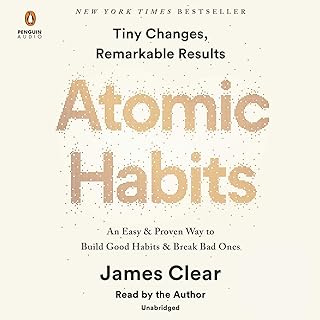
The book Atomic Habits by James Clear is a masterclass in this approach. It explains how tiny changes lead to remarkable results. If you want a deep dive into habit formation, this is essential reading.
Use the 5-Second Rule
Sometimes the gap between thinking and doing is where discipline dies. The 5-Second Rule, popularized by Mel Robbins, gives you a window to act before your brain talks you out of it.
When you feel the urge to procrastinate, count backwards: 5-4-3-2-1. Then move. The physical act of counting disrupts your hesitation and forces your brain into action.
This works because your brain hates uncertainty. Counting creates a sense of urgency and interrupts the habit loop of avoidance. Use it when you need to get out of bed, start a task, or make a difficult phone call.
Design Your Environment for Success
Your surroundings shape your behavior more than you realize. If your phone is next to your bed, you'll scroll. If unhealthy snacks are on your counter, you'll eat them. If your workspace is cluttered, you'll feel overwhelmed.
Self-discipline becomes much easier when you remove temptation from your environment.
Steps to redesign your environment:
- Put your phone in another room while you work.
- Keep healthy food visible and junk food out of sight.
- Set up your workout clothes the night before.
- Use website blockers during focused work sessions.
- Create a dedicated space for your most important tasks.
When you make the right choice the easy choice, you don't need as much willpower.
Leverage the Power of Accountability
Accountability is one of the most powerful forces for self-discipline. When you know someone else is watching, you're far more likely to follow through.
The system is simple: tell someone your goal. Set a specific deadline. Ask them to check in with you.
You can take it further by using a commitment contract where you lose money or face a consequence if you fail. Apps like StickK or even a simple bet with a friend can work wonders.
Track Your Progress
What gets measured gets managed. Tracking creates feedback, and feedback keeps you motivated even when the initial excitement fades.
Use a habit tracker, a journal, or a simple spreadsheet. Each day you mark a checkbox is a small win that reinforces your discipline.
The act of tracking also makes you aware of patterns. You'll see which days are harder and adjust accordingly.
Build a Morning Routine
The first hour of your day sets the tone. If you wake up and immediately check social media, you'll spend the rest of the day reacting to other people's priorities.
A well-designed morning routine gives you control before the chaos begins.
Sample disciplined morning routine:
- Wake up at the same time every day.
- Drink water and move your body (stretch, walk, or exercise).
- Spend 5-10 minutes journaling or planning your day.
- Tackle your most important task first (eat the frog).
This routine doesn't need to be long. Even 15 minutes of intentional action can shift your entire day.
The Best Books to Boost Your Self-Discipline
Reading about self-discipline is one of the most effective ways to build it. The right book gives you frameworks, examples, and mental models that stick with you.
Below are some of the most highly rated books on self-discipline, along with key insights from each.
No Excuses!: The Power of Self-Discipline
Brian Tracy's classic is a no-nonsense guide to taking full responsibility for your life. He argues that self-discipline is the single most important quality for success. The book covers areas like self-control, personal finance, time management, and relationships.
Rating: 4.7 stars. Price: $8.66.
Atomic Habits
James Clear's modern masterpiece shows how small changes lead to remarkable results. The book is packed with practical systems like habit stacking, the two-minute rule, and designing your environment.
Rating: 4.8 stars. Price: $0.00 (free with Kindle Unlimited).
The Power of Discipline

This book by Daniel Walter breaks down the science of self-control and mental toughness. It offers actionable strategies for building discipline in all areas of life.
Rating: 4.6 stars. Price: $16.83.
Discipline Equals Freedom

Jocko Willink's field manual is a raw, direct call to action. It's filled with short, powerful chapters that reinforce the idea that discipline is the path to freedom.
Rating: 4.7 stars. Price: $12.93.
The Mountain Is You

Brianna Wiest explores how self-sabotage keeps you stuck and how to transform it into self-mastery. This book is ideal for understanding the emotional roots of your lack of discipline.
Rating: 4.7 stars. Price: $0.00 (free with Kindle Unlimited).
Comparison Table of Top Self-Discipline Books
| Product | Rating | Price | Key Focus | Buy at Amazon |
|---|---|---|---|---|
| No Excuses! | 4.7 | $8.66 | Personal responsibility, life management | |
| Atomic Habits | 4.8 | $0.00 | Habit formation, small changes | |
| The Power of Discipline | 4.6 | $16.83 | Mental toughness, self-control | |
| Discipline Equals Freedom | 4.7 | $12.93 | Stoic mindset, daily action | |
| The Mountain Is You | 4.7 | $0.00 | Self-sabotage, emotional mastery | |
Stoic Wisdom for Building Unbreakable Self-Discipline
Stoicism has been called the operating system for self-discipline. It teaches that you can't control external events, but you can control your responses. This is a powerful mindset shift.
Two standout books on stoic self-discipline are Discipline Is Destiny by Ryan Holiday and Stoic Self-Discipline by Marcus Aurelius (modern edition).

Discipline Is Destiny focuses on the virtue of self-control, using examples from history and philosophy. It's part of a series that also covers courage and justice. Price: $5.88, rating: 4.7.

Stoic Self-Discipline breaks down 33 ancient secrets into modern, actionable advice. Rating: 4.7, price: $19.99.
Key stoic practices for self-discipline:
- Focus on what you control: your thoughts, actions, and reactions.
- Embrace voluntary discomfort: take cold showers, fast occasionally, or sleep on the floor to build resilience.
- Practice negative visualization: imagine losing what you have to appreciate it more and reduce attachment.
These strategies train your mind to handle difficulty without resistance.
Overcoming the Dopamine Trap: Tips on Self Discipline in a Digital World
Modern life is designed to hijack your attention. Every notification, like, and swipe floods your brain with dopamine. Over time, your ability to focus and delay gratification erodes.
The book Digital Self-Discipline addresses this directly.

With a rating of 4.8, it provides strategies to break free from digital addictions and reclaim your drive. Price: $12.99.
Practical digital detox tips:
- Turn off all non-essential notifications.
- Use grayscale mode on your phone to reduce visual appeal.
- Schedule specific times to check email and social media.
- Keep your phone out of the bedroom.
- Use app blockers during work hours.
These small changes drastically reduce the pull of constant distraction.
5-Minute Exercises to Rebuild Self-Discipline Daily
Self-discipline is like a muscle. If you don't use it, it atrophies. But even five minutes a day can keep it strong.
The book The Power of Self-Discipline: 5-Minute Exercises to Build Self-Control, Good Habits, and Keep Going When You Want to Give Up is exactly what it sounds like.
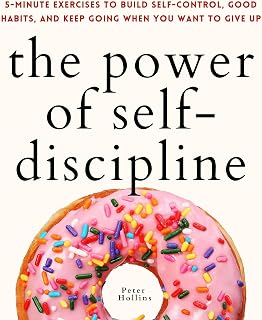
Rating: 4.4, price: $0.00 (audiobook).
Example exercises from the book:
- Cold exposure: End your shower with 30 seconds of cold water.
- Delayed gratification: Wait 10 minutes before giving in to a craving.
- One task at a time: Focus on a single task for 5 minutes without switching.
- Gratitude pause: Before eating, pause and appreciate your food for 10 seconds.
These small acts of discipline strengthen your willpower for bigger challenges.
The Role of Mindset: Transforming Self-Sabotage into Self-Mastery
Sometimes the biggest barrier to self-discipline is not laziness but hidden beliefs that keep you stuck. The Mountain Is You explores how to identify self-sabotage patterns and transform them.
Mindful Self-Discipline takes a different angle: it combines mindfulness with goal achievement to help you stay focused without burning out.

Rating: 4.7, price: $0.00 (audiobook).
Key mindset shifts:
- Instead of "I have to," say "I choose to."
- Instead of "I'm not disciplined," say "I'm learning discipline."
- Instead of fearing failure, see it as data.
Your inner dialogue determines your actions. Change the script, and your discipline will follow.
Practical Daily Routine for High Self-Discipline
Here's a sample day based on the systems we've discussed:
| Time | Activity |
|---|---|
| 6:00 AM | Wake up, drink water, 5-minute meditation |
| 6:15 AM | Exercise (15 minutes) |
| 6:45 AM | Shower, get dressed |
| 7:00 AM | Read one chapter or listen to a discipline book |
| 7:30 AM | Plan top three tasks for the day |
| 8:00 AM | Start deep work on most important task |
| 12:00 PM | Lunch away from screens |
| 1:00 PM | Afternoon focused work |
| 5:00 PM | Review progress, plan next day |
| 9:00 PM | Wind down, no screens 30 minutes before bed |
| 10:00 PM | Sleep |
This routine might seem rigid, but it's actually freeing. When you remove decision fatigue, you have more mental energy for what matters.
FAQ: Common Questions About Self-Discipline
Q: What are the best tips on self discipline for beginners?
Start with micro-habits. Pick one tiny action and do it daily for two weeks. Use the 5-second rule to overcome hesitation. Remove temptations from your environment. Get an accountability partner. Track your progress.
Q: How can I stay disciplined when I don't feel like it?
Use the two-minute rule: commit to doing the task for just two minutes. Often momentum will carry you further. Also, remind yourself why you started. Connect to your deeper purpose. Finally, accept that discipline is a choice you make repeatedly, not a feeling.
Q: What books on self discipline are most recommended?
Atomic Habits (4.8), No Excuses! (4.7), The Power of Discipline (4.6), Discipline Equals Freedom (4.7), and The Mountain Is You (4.7) are all excellent choices. Each offers a slightly different angle, so pick one that resonates with you.
Q: Can self discipline be improved with practice?
Yes. Self-discipline is like a muscle. The more you train it, the stronger it gets. Start with small challenges and gradually increase difficulty. Over time, your capacity for self-control will expand.
Q: How do I stop procrastinating and build discipline?
Break tasks into tiny steps. Use a timer for focused work sessions (Pomodoro technique). Remove distractions. Set specific deadlines. Reward yourself after completion. Most importantly, start before you feel ready.
Q: Is self discipline the same as willpower?
Willpower is a limited resource that depletes over time. Self-discipline is a set of systems and habits that reduce the need for willpower. Building routines, designing your environment, and using accountability make discipline sustainable.
Final Thoughts: Your Discipline is Your Freedom
The tips on self discipline we've covered are not about being a robot. They're about giving yourself the freedom to choose your actions instead of being controlled by impulses.
Start small. Pick one system from this article and implement it today. Maybe it's the 5-second rule. Maybe it's reading one page of a discipline book each morning. Whatever you choose, act on it now.
Remember: every time you do the hard thing, you prove to yourself that you're capable. Those small victories compound into a life of purpose, achievement, and genuine freedom.
You have everything you need to build the discipline you want. The only question is: will you start today?