
Building better habits is the cornerstone of lasting success. Whether you want to exercise daily, read more, or improve your finances, a habit app can be the tool that keeps you accountable and on track. But just like picking the right protein powder to fuel your fitness journey, choosing the wrong habit app can derail your progress before you start. The market is flooded with options, and what works for your friend might not work for you.
In this guide, we’ll help you cut through the noise and find a habit app that matches your personality, your lifestyle, and—most importantly—your specific goals. You’ll learn what features matter, how to evaluate apps like a pro, and why a smart choice today can lead to a transformed routine tomorrow. Along the way, we’ll draw parallels to selecting high-quality nutrition supplements, because consistency in both habits and health requires the right foundation.
Table of Contents
Why Your Goal Determines the App You Need
Every habit app claims to be the best, but the truth is simple: the best app is the one you’ll actually use. That starts with understanding your primary objective. Are you trying to build a morning routine, break a bad habit, or track multiple complex behaviors? Each goal demands different features.
For example, if you’re focused on fitness and nutrition—say, hitting the gym and drinking enough water—you’ll want an app that tracks streaks, integrates with wearables, and offers reminders. On the other hand, a productivity goal like writing 500 words daily might require a simple checklist with a timer. Before downloading anything, write down your top three habits and the frequency you intend to practice them. This clarity will guide every other decision.
Success Guardian insight: Start with the end in mind. If you want to build muscle, you choose a protein supplement with the right macros. Similarly, pick a habit app that delivers exactly what your goal demands—no more, no less.
Key Features to Look for in a Habit App
No two habit apps are identical, but the best ones share a core set of features. Here’s what you should evaluate:
- Simplicity and ease of use – The app should let you log a habit in under five seconds. Overcomplicated interfaces kill momentum.
- Customization – Can you set specific frequencies (daily, weekly, X times per week)? Can you assign colors or icons?
- Reminders and notifications – Smart, non-intrusive reminders that adapt to your schedule (not just a generic push at 8 AM).
- Data and insights – Charts, streaks, and completion rates help you see progress and identify patterns.
- Habit stacking support – Some apps allow you to link habits together (e.g., “after I brush my teeth, I meditate for two minutes”).
- Accountability features – In-app communities, friends, or even coach integration can boost motivation.
- Cross-platform sync – If you use both a phone and a computer, cloud sync is non-negotiable.
- Privacy and data control – Free apps that sell your data aren’t worth the cost. Check the privacy policy.
Pro tip: Many high-quality habit apps offer a free tier with limited features. Test two or three for a week before committing to a subscription. This is the same approach you’d use when sampling a new protein powder – you wouldn’t buy a five-pound tub without trying a sample first.
Habit App Categories: Which Style Fits Your Personality?
Not everyone responds to the same motivational triggers. Habit apps generally fall into these categories. Identify which one resonates with you.
| Category | Core Philosophy | Ideal For | Example Features |
|---|---|---|---|
| Streak-based | “Don’t break the chain” – visual streaks motivate consistency | People who love gamification and visible progress | Daily streak counters, flame icons |
| Atomic habits | Focus on small, incremental improvements (1% better each day) | Those building long-term sustainable change | Habit stacking suggestions, mini-habits |
| Checklist & timer | Simple to-do lists with time tracking | Productivity seekers, task batching | Pomodoro timer, weekly reviews |
| Journaling & reflection | Combines habit tracking with gratitude or mood logging | People who want emotional context | Daily prompts, mood sliders |
| Social & competition | Compare streaks with friends, earn badges | Competitive personalities | Leaderboards, group challenges |
Example: If you thrive on seeing a “30-day streak” badge, a streak-based app like Habitica might be perfect. If you prefer quiet reflection, try a journal-oriented app like Day One. And if you’re the type who researches every supplement before buying—like comparing Optimum Nutrition Gold Standard against others—you’ll appreciate data-rich apps like Streaks or Habitify.
How Your Lifestyle Shapes the Choice
Your daily routine, device ecosystem, and even your budget influence which app will stick. Consider these questions:
- How much time can you spend logging? If you’re always on the go, pick an app with a widget or quick-add from the notification shade.
- What devices do you own? Apple users might prefer apps with Apple Watch integration; Android users need native Wear OS support or a reliable web version.
- Do you prefer aesthetics or raw data? Some apps are beautifully designed (e.g., Momentum Habit Tracker), while others focus on spreadsheets and charts (e.g., Habitica). Neither is wrong – it’s about your preference.
- Are you willing to pay? Premium habit apps range from $2.99/month to a one-time fee of $10–$50. Free apps often have ads or limited features.
Remember: the best habit app is one that fits seamlessly into your existing lifestyle. If it takes more effort to log a habit than to perform the habit itself, you’ll abandon it quickly. This is comparable to choosing a protein powder that mixes easily and tastes great – convenience is king.
Integration with Other Tools: The Power of a Connected System
Modern habit apps rarely work in isolation. Many sync with calendars (Google Calendar, Apple Calendar), to-do apps (Todoist, TickTick), and even health platforms (Apple Health, Google Fit). If you’re already using a productivity system, look for an app that plugs into it.
Key integrations to check:
- Calendar sync – Automatically schedules your habit times based on existing events.
- Zapier or IFTTT support – Create custom workflows (e.g., “When I log a workout, add a line to a Google Sheet”).
- Wearable device sync – Track steps, sleep, or heart rate alongside your habits.
- Export capability – Download your data as CSV or PDF for personal analysis.
For advanced users, a habit app that integrates with your fitness tracking ecosystem can be a game-changer. Just as you might pair a complete whey protein isolate with a workout log, a well-connected habit app amplifies your efforts.
Cost vs. Value: What Are You Really Paying For?
Free habit apps can be excellent – Habitica, Loop Habit Tracker, and Streaks are solid free options. But premium features often unlock deeper insights: unlimited habits, detailed analytics, cloud backup, and custom reminders.
Typical pricing models:
- Free with ads – Okay for casual use. Ads can be distracting.
- Freemium – Core features free, advanced features $2–$5/month.
- One-time purchase – Rare but ideal (e.g., Streaks for iOS at $5.99).
- Subscription only – $3–$12/month. Ensure you’ll use it long-term.
Rule of thumb: If you’re serious about building habits for at least three months, a paid app is worth the investment. Consider it like buying a quality grass-fed whey protein – a higher upfront cost often delivers better results and fewer side effects.
The 5-Step Framework to Choose Your Habit App
Follow this practical process to find your perfect match:
- Define your goal(s) and habit frequency. Write them down. Be specific: “I will meditate for 5 minutes every morning after brushing my teeth.”
- List must-have features. Do you need a dark widget? A journal? Social accountability? Rank them.
- Test 2–3 apps for one week each. Use the free trials. Log at least 5 habits to see how it feels.
- Evaluate after seven days. Did you actually use it every day? Was logging easy? Did you feel motivated?
- Commit to one and customize it. Set up reminders, colors, and tracking parameters. Then stick with it for 30 days.
Internal link: If you’re new to habit tracking, read our Beginner’s Guide to Using Habit Apps Effectively to avoid common pitfalls.
Conclusion: Your Habits Deserve the Right Tool
Choosing the right habit app is not about finding the most popular or the prettiest one. It’s about matching the tool to your unique goals, personality, and lifestyle. Just as you wouldn’t pick a protein powder without reading the label and knowing your dietary needs, you shouldn’t download a random habit app and hope for the best. Take the time to evaluate, test, and commit.
The habits you build today shape the life you’ll live tomorrow. With the right app in your pocket, every small step becomes part of a larger transformation. And when you need that extra boost—whether in your fitness or your focus—quality supplementation matters. That’s why we’ve curated a list of top-rated protein powders to support your body while your mind builds the habits that matter.
Internal link: For a deeper look into the most effective apps on the market, check out The 5 Best Habit Tracking Apps to Transform Your Routine.
Frequently Asked Questions
Q1: Can I use more than one habit app at a time?
Yes, but it’s not recommended for beginners. Using multiple apps can fragment your focus and reduce consistency. Start with one, master it, then consider adding a second for a separate domain (e.g., one for fitness habits, one for work habits).
Q2: What if I miss a day? Should I reset my streak?
It depends on the app’s philosophy. Some apps let you keep the streak and just mark the day incomplete; others auto-reset. Choose an app that aligns with your mindset. For many, a “no zero days” approach (where you just avoid having a day with zero progress) works better than punishing yourself.
Q3: Are free habit apps as effective as paid ones?
For basic habit tracking, free apps are often sufficient. Paid apps usually offer better analytics, more customization, and no ads. The effectiveness depends on your discipline, not the price tag. Try free first.
Q4: How do I prevent app fatigue?
Keep it simple. Limit the number of habits you track to three to five at a time. Unnecessary features can overwhelm you. If the app itself feels like a chore, switch to a simpler one.
Q5: Can a habit app help with breaking bad habits?
Yes. Many apps let you create “negative habits” (things you want to stop) and track how many days you’ve abstained. Pair this with a positive replacement habit for best results.
Q6: Should my habit app integrate with my protein powder tracking?
If your goal is fitness and nutrition, an app that syncs with a calorie tracker or a journal where you log protein intake can be powerful. Apps like MyFitnessPal or macro-focused platforms complement habit tracking.
Top Protein Powders to Complement Your Habit Goals
Just as a great habit app supports your routine, the right nutrition supports your body. Whether you’re building muscle, losing weight, or simply improving overall health, quality protein powder can make a difference. Below are the best-sellers from Amazon, each linked for your convenience.

Optimum Nutrition Gold Standard 100% Whey Protein, Double Rich Chocolate, 1.98 lb – $44.99 – ⭐ 4.6

Optimum Nutrition Gold Standard Whey, Vanilla Ice Cream, 5 lb – $79.99 – ⭐ 4.7
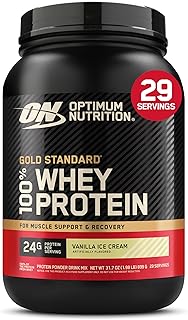
Optimum Nutrition Gold Standard Whey, Vanilla Ice Cream, 2 lb – $44.99 – ⭐ 4.7

Premier Protein Powder, Chocolate Milkshake, 41.9 oz (29 servings) – $25.97 – ⭐ 4.6

Orgain Organic Vegan Protein, Vanilla Bean, 2.03 lb – $31.52 – ⭐ 4.5

Dymatize ISO 100 Whey Protein Isolate, Vanilla, 5 lb – $108.99 – ⭐ 4.7

Premier Protein Powder, Vanilla Milkshake, 23.3 oz (17 servings) – $31.60 – ⭐ 4.6

Transparent Labs Grass-Fed Whey Protein Isolate, French Vanilla, 30 servings – $59.99 – ⭐ 4.5

Body Fortress Super Advanced Whey Protein, Vanilla, 3.9 lb – $45.28 – ⭐ 4.6

Six Star Whey Protein Plus, Triple Chocolate, 1.82 lb – $24.97 – ⭐ 4.5

Isopure Zero Carb Whey Isolate, Unflavored, 3 lb (47 servings) – $89.95 – ⭐ 4.4

Dymatize Elite 100% Whey Protein, Rich Chocolate, 5 lb (63 servings) – $76.18 – ⭐ 4.6
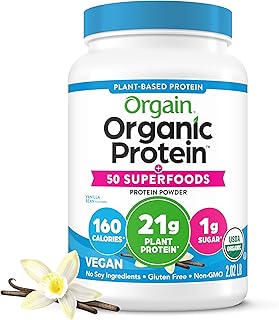
Orgain Organic Vegan Protein + 50 Superfoods, Vanilla Bean, 2.02 lb – $34.15 – ⭐ 4.6

Dymatize x Fruity Pebbles ISO100 Whey Protein Isolate, 20 servings – $42.48 – ⭐ 4.6

Dymatize Super Mass Gainer, Gourmet Vanilla, 8 servings – $39.98 – ⭐ 4.5

Levels Grass Fed Whey Protein, Pure Chocolate, 2 lb – $44.99 – ⭐ 4.5

Vital Proteins Collagen Peptides, Unflavored, 9.33 oz – $18.65 – ⭐ 4.6

NAKED Whey Vanilla Protein Powder, 24 servings – $44.99 – ⭐ 4.1

Nutricost Whey Protein Concentrate, Chocolate, 5 lb – $74.95 – ⭐ 4.5

Orgain Organic Unflavored Vegan Protein, Unsweetened, 1.59 lb – $26.99 – ⭐ 4.3