
Overpronation—when your foot rolls inward too much as you walk or run—can lead to shin splints, plantar fasciitis, and knee pain. The right stability sneaker corrects that motion without sacrificing comfort or performance. Whether you’re hitting the gym, pounding pavement, or walking daily, a supportive shoe makes all the difference.
We’ve compared the top stability models available right now. Each pair in this guide combines medial support, cushioning, and durability to keep you moving safely. Let’s break down the best exercise sneakers for men built to handle overpronation.
Table of Contents
What to Look For in a Stability Sneaker
Not every shoe labeled “supportive” actually controls overpronation. Seek these key features:
- Medial post or guide rail – a firmer foam or plastic structure on the inner side to prevent excessive rolling.
- Arch support – especially important if you have flat feet.
- Firm midsole – not too soft; stability shoes need a balanced ride.
- Wide base – a broader platform enhances lateral stability.
- Heel counter – a snug fit around the heel locks your foot in place.
Now, let’s see how the leading models stack up.
Top Stability Models Reviewed
Brooks Beast GTS 24 – The Gold Standard for Severe Overpronation
The Brooks Men’s Beast GTS 24 Supportive Running & Walking Shoe is built for maximum support. Its GuideRail system wraps around your heel and arch, gently guiding your foot back to neutral. The super-soft DNA Loft v3 cushioning doesn’t compromise stability.
Rated 4.6 stars with over 2,300 reviews, this shoe is ideal for heavier runners or anyone with flat feet who needs serious motion control. It comes in multiple widths, including 2E and 4E, so a roomy fit is guaranteed.

OrthoComfoot Men’s Orthopedic Road Running Shoes – Affordable Arch Support
If you want overpronation relief without breaking the bank, the OrthoComfoot Men’s Orthopedic Road Running Shoes deliver solid arch support at just $59.99. Rated 4.3 stars, these sneakers feature a contoured footbed, deep heel cup, and a firm medial post.
They’re also lightweight and breathable—perfect for daily training or casual walks. The orthopedic design helps flatten foot motion and reduces stress on the plantar fascia.

Hoka Bondi 9 – Max Cushion Meets Subtle Stability
The Hoka Men’s Bondi 9 isn’t a traditional stability shoe, but its wide platform and firm EVA midsole provide natural overpronation control. With a 4.6-star rating and over 2,500 reviews, it’s a favorite among runners who want plush cushioning without wobble.
The Meta-Rocker geometry encourages a smooth heel-to-toe transition, while the extended heel design adds stability. Pair it with custom orthotics if you need extra arch support.

Nike Air Max Alpha Trainer 6 – Stable Training for the Gym
For lifters and HIIT enthusiasts, the Nike Men’s Air Max Alpha Trainer 6 Workout Shoes offer a flat, wide base that keeps your foot grounded. Rated 4.6 stars, this shoe uses a Max Air unit in the heel for impact absorption, but the rigid outsole and medial wrap give you the support needed for squats and lunges.
It’s not a running shoe, but it’s excellent for weight training and cross-training where overpronation can throw off your form.

Brooks Ghost Max 3 – Stable Neutral Cushioning
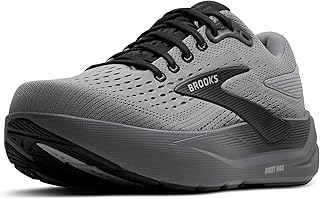
The Brooks Men’s Ghost Max 3 Neutral Running & Walking Shoe is technically a neutral shoe, but its GlideRoll Rocker and wider forefoot provide exceptional stability. With a 4.5-star rating and over 1,300 reviews, it’s a great option for mild overpronators who prefer a softer ride.
The DNA Loft v3 cushioning is plush yet responsive, and the segmented crash pad adapts to your stride. If you don’t need aggressive medial posting, this shoe offers a balanced compromise.
OrthoComfoot Diabetic Wide Walking Shoes – Maximum Room & Support
For wide feet and overpronation, the OrthoComfoot Men’s Orthopedic Diabetic Wide Walking Shoes are a top pick. Rated 4.7 stars, they feature a spacious toe box, removable arch-support insoles, and a firm heel counter. The stretchable upper accommodates swollen feet while still controlling motion.
At $89.99, they’re a mid-range investment that pays off with immediate pain relief for flat feet and plantar fasciitis.

Comparison Table of Leading Stability Models
| Product | Image | Price | Rating | Key Stability Features | Buy at Amazon |
|---|---|---|---|---|---|
| Brooks Beast GTS 24 | |
$109.95 | 4.6 | GuideRail system, DNA Loft v3 cushioning, wide widths | Buy Now |
| OrthoComfoot Orthopedic Road Running | |
$59.99 | 4.3 | Contoured arch support, deep heel cup, medial post | Buy Now |
| Hoka Bondi 9 | |
$140.00 | 4.6 | Wide base, Meta-Rocker, firm EVA midsole | Buy Now |
| Nike Air Max Alpha Trainer 6 | |
$100.00 | 4.6 | Flat wide base, Max Air heel unit, medial wrap | Buy Now |
| Brooks Ghost Max 3 | |
$119.95 | 4.5 | GlideRoll Rocker, wider forefoot, segmented crash pad | Buy Now |
| OrthoComfoot Diabetic Wide Walking | |
$89.99 | 4.7 | Arch support insoles, wide toe box, firm heel counter | Buy Now |
How to Choose the Right Stability Sneaker
Your choice depends on your foot type, activity, and budget.
- Severe overpronation – Go with the Brooks Beast GTS 24. It offers the most aggressive motion control.
- Mild to moderate overpronation – The OrthoComfoot road running shoe or Brooks Ghost Max 3 work well.
- Heavy cushioning needed – Hoka Bondi 9 provides cloud-like softness with enough stability for most runners.
- Gym training – Nike Air Max Alpha Trainer 6 gives you a solid base for lifting and agility drills.
- Extra wide feet – OrthoComfoot Diabetic Wide Walking Shoes combine roominess with arch support.
Remember to replace your stability sneakers every 300–500 miles. The midsole foam degrades over time, reducing support.
Frequently Asked Questions
Can stability shoes cure overpronation?
No, but they can significantly reduce excessive inward rolling, which lowers injury risk. Pair them with strengthening exercises for best results.
Are stability shoes heavier than neutral ones?
Yes, because of additional medial posts and denser foams. However, modern models like the Brooks Ghost Max 3 keep weight reasonable.
Do I need custom orthotics with stability shoes?
Not always. Many stability shoes have built-in arch support. If you have severe flat feet, custom orthotics can further enhance control.
How do I know if I overpronate?
Check the wear pattern on your old shoes: if the inner sole is worn down and the shoe leans inward, you likely overpronate. A gait analysis at a running store confirms it.
Can I use stability shoes for walking?
Absolutely. Stability features benefit walkers too, especially those with flat feet or knee pain.
Final Thoughts
Choosing the best exercise sneakers for men with overpronation doesn’t have to be confusing. The models we compared—from the supportive Brooks Beast GTS 24 to the budget-friendly OrthoComfoot orthopedic shoes—offer proven solutions. Focus on your arch type, activity level, and fit preferences.
For daily training and walking, the Brooks Beast GTS 24 remains our top recommendation. If you prefer a more cushioned ride, the Hoka Bondi 9 is a close second. And if you need affordable correction, the OrthoComfoot road running shoes deliver excellent value.
For more comparisons, check out our guides on Best Exercise Sneakers for Men Comparing Top Neutral Running Models Across Brands and Best Exercise Sneakers for Men Comparing Wide-fit and Extra-width Flagship Models.