
Finding the perfect exercise sneakers online can feel like a guessing game. You see a sleek pair, read great reviews, and order your usual size—only to discover they pinch your toes or slip at the heel. The secret to nailing fit every time? Knowing how to measure your feet correctly and decode size charts like a pro. Whether your feet are narrow, wide, or need extra arch support, this guide walks you through the exact steps to shop smart and score the best exercise sneakers for men—starting with your own two feet.
 and
and  are two of the top-rated options that cater to different foot shapes—more on those later.
Table of Contents
How to Measure Your Feet at Home (The Right Way)
You can’t rely on the size you wore five years ago. Feet change over time due to age, weight fluctuations, and even pregnancy. Grab a piece of paper, a pen, and a ruler. Place the paper on a hard floor against a wall. Stand barefoot with your heel touching the wall. Mark the longest toe (not always the big toe) and measure from the edge of the paper to that mark. Repeat for both feet—they’re often slightly different.
- Measure at the end of the day when feet are slightly swollen.
- Wear the same type of socks you plan to use for workouts.
- For width, trace the outline of your foot and measure across the widest part.
If you’re between sizes, always size up. A thumbs-width of space between your longest toe and the shoe’s end is the gold standard.
Understanding Shoe Widths and Arch Support
Many men assume they need a “medium” width, but actually, up to 60% of men have wide feet. Narrow feet are less common but require secure lockdown to avoid sliding. Arch support comes in three main categories:
- High arch / Supination – Needs extra cushioning and a curved last.
- Neutral arch – Most common; balanced cushioning works best.
- Flat feet / Overpronation – Requires stability features and medial support.
When you’re shopping online, look for size charts that list width letters: B = Narrow, D = Medium (standard for men), 2E = Wide, 4E = Extra Wide. Many brands now offer extended widths, especially in performance sneakers.
Reading Size Charts Like a Pro
Brands don’t all use the same measurements. A size 10 in Nike may fit differently than a size 10 in Brooks. Always check the brand-specific size chart. Look for two key measurements: foot length (in centimeters or inches) and foot circumference for width. If the chart only shows US sizes, cross‑reference with European or UK sizes—they’re typically based on actual millimeters.
Pro tip: Filter reviews by the word “wide” or “narrow” to see how other customers with similar feet rate the fit. Also, note whether the sneaker has a removable insole. That’s crucial if you wear custom orthotics.
Top Picks for Narrow, Wide, and Arch-Support Fit
Best Exercise Sneakers for Narrow Feet
Men with narrow feet often struggle with heel slippage and feeling like the shoe is too loose. Look for models that offer a B width or have a lace‑locking eyelet system.
- Brooks Ghost 17 Men’s Neutral Running Shoe: Available in narrow (B) widths, this shoe provides a secure, snug heel fit without squeezing. Its DNA LOFT v3 cushioning delivers a soft, responsive ride. Rating: 4.6 stars. Price: $109.95.
- Hoka Bondi 9 Men’s Running Shoe: Hoka’s max‑cushion icon offers a slimmer profile through the midfoot. The plush foam absorbs shock, and the structured heel counter locks the foot in place. Rating: 4.6 stars. Price: $140.00.

Best Exercise Sneakers for Wide Feet and High Volume
If your feet spread wide during exercise or you have a high instep, prioritize wide (2E/4E) options with a roomy toe box.
- Brooks Beast GTS 24 Supportive Running & Walking Shoe: Designed for maximum stability and available in 2E and 4E widths. The GuideRails system keeps overpronation in check without feeling bulky. Rating: 4.6 stars. Price: $109.95.

- OrthoComfoot Men’s Orthopedic Wide Trail Running Shoes: Built with a wide, extra‑depth toe box and removable insoles. Great for high‑volume feet or if you use custom orthotics. Rating: 3.6 stars. Price: $49.99.
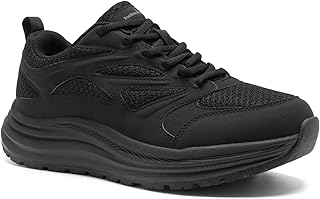
- OrthoComfoot Men’s Orthopedic Diabetic Wide Walking Shoes: Specifically designed for swollen feet and hammer toes. The extra wide forefoot and seamless interior reduce friction. Rating: 4.7 stars. Price: $89.99.

Best Exercise Sneakers for High Arches and Flat Feet
Choosing the right arch support model is the difference between pain and peak performance.
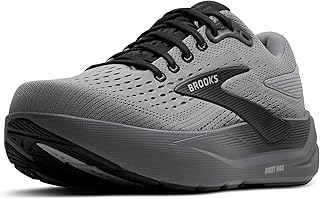
- Brooks Ghost Max 3 Neutral Running & Walking Shoe: With high‑stack cushioning and a rocker bottom, it’s ideal for high arches that need plush shock absorption. Available in medium and wide widths. Rating: 4.5 stars. Price: $119.95.
- OrthoComfoot Men’s Orthopedic Road Running Shoes (Arch Support): These sneakers feature a built‑in arch support and a deep heel cup, perfect for plantar fasciitis and flat feet. Rating: 4.3 stars. Price: $59.99.

- OrthoComfoot Men’s Orthopedic Road Running Shoes (Second Style): Another reliable arch‑support model with a wider heel base for added stability. Rating: 4.2 stars. Price: $49.99.

Cross‑Trainer for Versatility
- Nike Air Max Alpha Trainer 6 Workout Shoes: A solid choice for gym‑goers who need a stable, flat base for lifting plus enough cushion for short runs. The Air Max unit adds comfort. Rating: 4.6 stars. Price: $100.00.
Comparison Table: Top Exercise Sneakers for Men
Here’s how the models stack up based on fit, price, and features.
| Product | Image | Price | Rating | Width Options | Best For | Buy at Amazon |
|---|---|---|---|---|---|---|
| Brooks Ghost 17 | |
$109.95 | 4.6 | Narrow, Med, Wide | Neutral/narrow feet | Buy Now |
| Brooks Ghost Max 3 | |
$119.95 | 4.5 | Med, Wide | High arches, plush cushion | Buy Now |
| Brooks Beast GTS 24 | |
$109.95 | 4.6 | 2E, 4E | Wide feet, overpronation | Buy Now |
| Hoka Bondi 9 | |
$140.00 | 4.6 | Med, Wide | Narrow to medium, max cushion | Buy Now |
| OrthoComfoot Road Arch 1 | |
$59.99 | 4.3 | Med, Wide | Plantar fasciitis, arch support | Buy Now |
| OrthoComfoot Road Arch 2 | |
$49.99 | 4.2 | Med, Wide | Arch support, heel pain | Buy Now |
| OrthoComfoot Wide Trail | |
$49.99 | 3.6 | Wide | High‑volume, wide toe box | Buy Now |
| OrthoComfoot Diabetic Wide | |
$89.99 | 4.7 | Extra Wide | Swollen feet, hammer toes | Buy Now |
| Nike Air Max Alpha Trainer 6 | |
$100.00 | 4.6 | Med, Wide | Gym training, cross‑training | Buy Now |
Tips for Finding the Right Fit Online
Even with perfect measurements, online shopping takes a little finesse. Always read recent reviews that mention fit—especially from people with similar foot shape. Look for keywords like “snug in the heel,” “roomy toe box,” or “runs narrow.”
Check the return policy before you buy. Many brands offer free returns or “try before you buy” programs. If you have one foot larger than the other, order to fit the larger foot and use thicker socks or an insole for the smaller foot. For more specific solutions, read our guide on Best Exercise Sneakers for Men with One Foot Larger Than the Other.
If you wear orthotics, make sure the insole is removable. Most performance sneakers above $50 have this feature, but double‑check. And remember: a shoe that’s too tight will cause blisters, while one that’s too loose leads to instability.
Frequently Asked Questions About Sizing and Fit
How do I measure my foot width at home?
Trace your foot on paper, then measure the widest part horizontally. Compare the measurement to the brand’s width chart. If you don’t have a chart, a width of about 3.5–4 inches at the ball of the foot typically corresponds to a D width for men.
What if I’m between two shoe sizes?
Always choose the larger size. You can add an insole or wear thicker socks to take up extra space. A shoe that’s too small can cause toe jamming and black toenails.
Do I need to break in new exercise sneakers?
Modern athletic shoes usually require little to no break‑in. If a pair feels uncomfortable in the store or right out of the box, it’s likely not the right fit. However, a few short walks can help the foam adapt to your foot.
Can I wash my exercise sneakers?
Most mesh and knit sneakers are machine‑washable on a gentle cycle. Remove the insoles and laces first. Air dry only—heat from dryers can ruin the cushioning.
Why do my heels slip in new sneakers?
Heel slippage often means the shoe is too wide in the heel or you need a different lacing technique (like the heel lock lace). If you have narrow heels, choose a model with a built‑in heel counter, such as the Brooks Ghost 17.
Should I size up for wide feet?
Yes, but only if the shoe doesn’t come in wide widths. Many brands now offer 2E and 4E options. Buying a length size larger to get more width can lead to the shoe being too long. Instead, choose a dedicated wide model like the Brooks Beast GTS 24.
For more targeted advice, check out these guides:
Best Exercise Sneakers for Men with High Arches Needing Extra Midfoot Support
Best Exercise Sneakers for Men with Flat Feet Who Want Stability Without Bulk
Best Exercise Sneakers for Men Who Wear Orthotics and Need Removable Insoles