
When stakes are high and time is short, your mind can feel like a fog. You second-guess every option, tension tightens your chest, and logic seems to slip away. The most decisive people aren't those who think faster—they are the ones who manage their emotions better. Emotional intelligence (EQ) is the hidden engine behind clear-headed decisions under pressure.
Emotional intelligence helps you detect rising stress before it hijacks your thinking. It gives you the pause needed to choose responses instead of reacting blindly. With practice, EQ transforms chaotic moments into opportunities for aligned, purposeful action. If you are serious about building this skill, a structured tool like the Goal Planning Notepad – A5 Goal Setting Journal can help you track your emotional patterns alongside your project goals.

Table of Contents
Understanding Emotional Intelligence Under Pressure
Emotional intelligence is the ability to recognize, understand, and manage your own emotions and those of others. Under pressure, this skill becomes your internal compass. Without it, adrenaline triggers fight-or-flight responses that narrow your perspective. With it, you maintain access to creativity, empathy, and long-term reasoning.
How Pressure Hijacks Clear Thinking
When your brain perceives a high-stakes situation, the amygdala takes over. Cortisol floods your system, and your prefrontal cortex—the part responsible for rational decision making—partially shuts down. You lose perspective. You default to old habits or impulsive choices. Emotional intelligence acts as a circuit breaker. It re-engages your thinking brain by calming the emotional storm.
Why EQ Outranks IQ in Crisis Moments
Decades of research show that cognitive intelligence alone rarely predicts success in stressful roles. People with high EQ make fewer errors in crisis because they:
- Recognize emotional triggers early and interrupt them
- Reframe pressure as a challenge rather than a threat
- Maintain focus on core goals instead of getting lost in anxiety
The Core EQ Components That Drive Better Decisions
To improve decision making under pressure, you need to strengthen four pillars of emotional intelligence. Each one plays a distinct role in keeping you grounded and clear.
Self-Awareness: Spotting the Emotional Signal
Before you can manage an emotion, you have to catch it. Self-awareness means noticing the subtle shift in your body when stress arises—tight shoulders, shallow breathing, or a racing heart. This early detection creates a split-second window to choose your response.
Self-Regulation: Putting on the Brakes
Once you notice the emotion, self-regulation lets you contain it. Instead of snapping at a coworker or abandoning a difficult goal, you can pause, breathe, and redirect your energy. Under pressure, this skill prevents emotional leakage that leads to regret.
Empathy: Reading the Room Under Stress
High-pressure decisions often involve other people. Empathy helps you pick up on their stress, unspoken concerns, or resistance. When you understand their emotional state, you can communicate in ways that reduce tension and build buy-in—even in the middle of chaos.
Social Skills: Turning Information into Action
The final piece is using your emotional awareness to influence outcomes. Social skills allow you to ask the right questions, delegate effectively, and keep a team aligned when the clock is ticking. Pressure erodes collaboration; EQ protects it.
How Emotional Intelligence Connects to Goal Setting
Setting goals under pressure is a common trap. You might set reactive targets to escape discomfort, only to abandon them when the pressure lifts. Emotional intelligence helps you set goals that align with your deeper values, not just your immediate anxiety.
When you use a Goal Planning Notepad or a guided journal like This Year I Will…: Weekly Prompts to Create the Life You Want, you create a structured space to separate emotional noise from genuine aspirations. That structure is a form of self-regulation—it prevents reactive goal setting.

For a deeper dive into the foundations, read our article on Emotional Intelligence Basics: What It Is and Why It Shapes Your Success.
Practical Strategies to Boost EQ for High-Pressure Decisions
You don't need to wait for a crisis to practice emotional intelligence. Train these strategies daily, and they become automatic when the heat rises.
Use the 6-Second Pause
When you feel the impulse to decide immediately, pause for six seconds. That's how long it takes for emotional chemicals to wash out of your bloodstream. Use the pause to take a deep breath and ask: "What outcome do I actually want here?"
Label Your Emotions
Research shows that naming an emotion reduces its intensity. Say to yourself: "I am feeling frustration because the timeline is tight." This simple act activates your prefrontal cortex and gives you control back.
Reframe Pressure as Excitement
Your body's stress response and excitement response are nearly identical. Tell yourself: "My heart is racing because I care about this goal." That cognitive shift can improve performance by 30% in studies.
Check Your Goal Alignment
When pressure pushes you toward a hasty choice, ask: "Does this decision move me closer to my long-term goal?" If not, it's probably an emotional reaction. For in-depth methods, see our guide on How to Increase Emotional Intelligence Step by Step in Everyday Situations.
Real Tools to Strengthen Your Emotional Decision Making
Having the right resources can accelerate your progress. The following products are designed to help you integrate emotional intelligence into your goal-setting and decision-making routines.
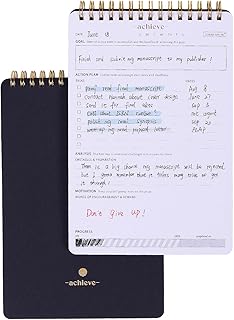
1. Goal Planning Notepad – A5 Goal Setting Journal
Price: $13.99 | Rating: 4.7 / 5
This A5 notepad provides structured sections for action plans, task management, and personal development tracking. By writing down your goals and the emotions you experience around them, you create a feedback loop that sharpens self-awareness. Use it to log decisions made under pressure and review them later with clarity.
2. This Year I Will…: Weekly Prompts to Create the Life You Want
Price: $8.89 | Rating: 4.6 / 5
Weekly prompts guide you to reflect on your emotional patterns and align your actions with your deeper values. This journal is perfect for building the habit of emotional check-ins before setting weekly goals. It helps you practice the EQ skill of self-regulation through consistent reflection.

3. The Jim Rohn Guide to Goal Setting
Price: $5.99 | Rating: 4.7 / 5
Jim Rohn's classic framework teaches you how to set goals that withstand emotional turbulence. This short, powerful guide covers the mindset needed to stay committed when pressure mounts. It's an excellent companion for anyone who wants to understand the relationship between emotional discipline and goal achievement.

To learn more about applying EQ in professional settings, check out Emotional Intelligence at Work: Skills That Make You Stand out Professionally.
Common Pitfalls When Making Decisions Under Pressure
Even with high emotional intelligence, certain traps can pull you off course. Recognizing them is half the battle.
Decision Fatigue
Pressure drains mental energy. After several high-stakes calls, your emotional regulation weakens. Solution: batch important decisions early in the day and use routine for low-stakes choices.
The Urgency Bias
When everything feels urgent, you stop evaluating trade-offs. Emotional intelligence helps you pause and ask: "Is this truly urgent, or am I feeling anxious?" Read more about staying grounded in Emotional Intelligence for Leaders: Managing People, Not Just Tasks.
Overvaluing Short-Term Relief
Pressure often pushes you to choose the option that relieves stress fastest, not the one that serves your goal best. EQ lets you tolerate short-term discomfort for long-term gain.
Building Daily Habits to Reinforce EQ
You can't rely on willpower in a crisis. You must train your emotional intelligence like a muscle.
- Morning reflection: Spend 2 minutes naming the emotion you feel most strongly. This builds self-awareness.
- Gratitude check: Before a tough meeting, list one thing you're grateful for. This lowers cortisol.
- Evening review: Use your journal to write one decision you made and the emotion behind it. Over time, patterns emerge.
A tool like the Goal Planning Notepad becomes your training log for this emotional gym.
FAQ: Emotional Intelligence and Decision Making Under Pressure
Can emotional intelligence really improve decision-making speed?
Yes. High EQ reduces the time you spend second-guessing yourself. By managing anxiety, you access clearer thinking faster. It's not about hurrying—it's about eliminating the mental noise that slows you down.
How long does it take to see improvements in pressure situations?
With consistent daily practice, most people notice a shift in 4 to 6 weeks. Small habits like pausing before reacting and labeling emotions create cumulative gains.
What if I tend to freeze under pressure?
Freezing is often a sign of emotional overwhelm. Start by practicing the 6-second pause in low-stakes situations. Gradually increase exposure to mild pressure while using EQ techniques. Over time, your brain rewires for composure.
Is emotional intelligence more important than IQ in leadership?
For decision making in stressful environments, EQ often predicts outcomes better than IQ. Leaders with high EQ inspire trust, adapt to change, and keep teams cohesive during turbulence.
Can journaling really boost emotional intelligence?
Absolutely. Journaling forces you to articulate emotions and examine the thoughts behind them. That reflection builds self-awareness and pattern recognition—both core EQ components.
For more on measuring your EQ progress, explore How to Assess Your Emotional Intelligence and Identify Growth Areas.
Final Thoughts: From Reactive to Responsive
Pressure doesn't have to control your decisions. Emotional intelligence gives you the internal space to choose wisely, even when the world is rushing you. By building self-awareness, practicing self-regulation, and connecting every decision to your deeper goals, you transform pressure from an enemy into an ally.
Start small. Pick one strategy from this article and apply it today. Use a journal like the Jim Rohn Guide to Goal Setting to anchor your practice. Over time, you'll notice a shift—not just in how you decide, but in how you feel about yourself under fire.
Your emotional intelligence is already there, waiting to be sharpened. The best time to start training is before the next crisis hits. Begin today, and your future self—calm, clear, and decisive—will thank you.
For more related strategies, read How Emotional Intelligence Protects You from Burnout and Building Emotional Intelligence Through Mindfulness and Reflection.