
Self-awareness is the foundation of real growth, but many people confuse it with constant self-scrutiny. You don’t need to dissect every thought or emotion to understand yourself better. In fact, overanalyzing can keep you stuck in mental loops that drain your energy and blur your priorities.
The key is to build lightweight habits that naturally increase self-awareness while keeping your focus on goal setting and forward momentum. This article shows you exactly how to do that—without turning your life into a never-ending therapy session.
TL;DR: Self-awareness doesn’t require hours of introspection. Use small daily practices, a simple Goal Planning Notepad for structured reflection, and goal‑anchored check‑ins to stay aware without overthinking.

Table of Contents
Why Overanalyzing Sabotages Self-Awareness
Overanalysis is a trap. When you endlessly examine your motives, feelings, and past actions, you can slip into rumination—a cycle that increases anxiety and clouds judgment. True self-awareness is about observation without attachment, not dissection without end.
The difference is subtle but critical. Healthy self-awareness helps you notice patterns and adjust. Overanalysis judges those patterns and tries to “fix” them right away, which often backfires. The more you force clarity, the more elusive it becomes.
The Link Between Self-Awareness and Goal Setting
Goal setting gives self-awareness a practical container. Instead of asking “Who am I?” in the abstract, you ask “What do I really want, and why?” That shift keeps introspection focused and productive. Without a goal context, self-awareness can become aimless navel-gazing.
When you tie self-awareness to your goals, every insight becomes actionable. You notice, for instance, that you procrastinate on certain tasks because of a fear of failure. That observation then informs a concrete step: set smaller milestones or reframe your expectations.
For a structured approach, try This Year I Will…: Weekly Prompts to Create the Life You Want – a journal that blends guided prompts with weekly goal reviews so you build self-awareness without spiraling.

5 Daily Practices for Lightweight Self-Awareness
1. The Morning Check-In (30 seconds)
Before you grab your phone, ask yourself: “What’s one thing I want to feel today?” That’s it. No journaling, no analysis. Just a quick temperature check of your intention. Over time, this tiny habit trains you to notice your emotional starting point.
2. Micro-Mindfulness During Transitions
Use the moments between activities—walking to the car, waiting for coffee, switching tasks—to take one deep breath and notice where your mind is. This is a form of How to Use Mindfulness to Deepen Your Self Awareness? without needing a meditation cushion.
3. Body Scan While Brushing Your Teeth
Your body holds clues your mind ignores. While brushing, scan from your jaw down to your shoulders. Are you clenching? Tensing? That signals stress before you consciously feel it. This is Body-based Self Awareness: Listening to Physical Signals and Stress Responses made simple.
4. End-of-Day One-Liner
Instead of a lengthy journal entry, write one sentence answering: “What did I learn about myself today?” Keep it in a simple notepad. This practice helps you How to Journal for Deeper Self Awareness and Inner Clarity? without overwhelm.
5. The Feedback Pause
When someone gives you feedback—even a small comment—pause for two seconds before reacting. In that pause, ask yourself: “Is there truth here?” This defends against defensiveness and builds How to Use Feedback to Increase Self Awareness Without Feeling Attacked?.
Using Goal Setting to Anchor Self-Awareness
Goal setting provides the “why” behind your self-awareness efforts. When you know what you’re working toward, every observation has context. You’re not just noticing that you feel anxious; you’re noticing that anxiety appears when you face a specific goal milestone.
To put this into practice:
- Pick one primary goal for the week.
- Each day, note one obstacle and one enabler you noticed in yourself.
- Use that data to adjust your approach, not to judge yourself.
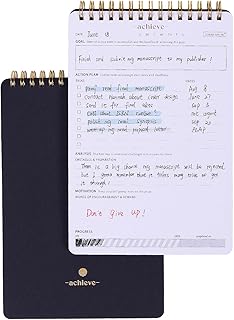
The Goal Planning Notepad is perfect for this: its layout breaks down tasks, action plans, and personal reflections without forcing you to write pages of introspection. It keeps the focus on progress.
How to Spot Overanalysis Before It Takes Over
Overanalysis usually has three red flags:
- Circular thinking – you revisit the same thought without new insight.
- Emotional exhaustion – you feel drained after “reflecting.”
- Action paralysis – you understand the problem but can’t move forward.
When you catch these signs, shift to a simple rule: observe, don’t obsess. Write down the thought in one sentence, then physically turn to your next task. If the insight is important, it will return when you’re calmer.
A Simple Framework: Observe → Name → Pivot
This three-step process takes less than 60 seconds:
- Observe – Notice the thought, feeling, or behavior without judgment.
- Name – Label it with one word (e.g., “frustration,” “resistance,” “excitement”).
- Pivot – Return your attention to your current goal or task.
This prevents analysis paralysis while still building awareness. It’s especially useful when you’re in the middle of a conflict or under pressure. See How to Maintain Self Awareness under Stress, Pressure, and Deadlines for more depth.
How Self-Awareness Improves Your Goal Achievement
Studies and personal development experts consistently show that self-awareness boosts goal attainment because it reveals blind spots. For example:
| Without Self-Awareness | With Self-Awareness |
|---|---|
| You set vague goals and wonder why you lose motivation | You know your core values and set aligned goals |
| You repeat the same mistakes | You notice patterns and adjust early |
| You blame external factors | You take ownership of your responses |
The Jim Rohn Guide to Goal Setting is an excellent companion here. Jim Rohn’s philosophy ties self-awareness directly to personal growth: you can’t achieve what you don’t understand about yourself. This short book gives you principles that make self-awareness a byproduct of purposeful action.

Common Questions About Self-Awareness Without Overthinking
How do I know if I’m self-aware or just overthinking?
A simple litmus test: does your self-reflection lead to a clear next step? If yes, it’s healthy awareness. If it circles back again and again without resolution, it’s overthinking. Use the goal‑setting context to break the loop.
Can I be too self-aware?
Yes, if it becomes self‑absorption. Balance self-awareness with How to Balance Self Awareness with Self Acceptance. Acceptance allows you to see yourself clearly without needing to fix everything.
What if I don't have time for journaling?
You don’t need a long journal. The Goal Planning Notepad (linked above) requires only a few bullet points per day, and the This Year I Will… journal takes 5 minutes per week. Both fit into even the busiest schedule.
How do I apply self-awareness to relationships without overthinking?
Focus on impact rather than intent. Instead of analyzing why you said something, ask: “How did my words affect the other person?” That moves you from rumination to empathy. Read Self Awareness in Relationships: Seeing How You Affect Others.
What’s the best way to start?
Pick one micro‑practice from the list above. Add a simple goal‑setting tool like the Jim Rohn Guide to Goal Setting. Consistency matters more than volume.
FAQ Section
Q: How can I become more self-aware without overthinking?
A: Use lightweight daily practices like a 30-second morning check-in or a one‑line end‑of‑day reflection. Anchor your observations to a specific goal so that introspection stays focused and actionable.
Q: What is the difference between healthy self-awareness and overanalyzing?
A: Healthy self-awareness leads to insight and action. Overanalyzing loops without resolution, causing mental fatigue. If you feel stuck after reflecting, you’ve crossed the line. Step away and return later with a concrete question.
Q: How does goal setting help self-awareness?
A: Goal setting gives self-awareness a practical context. You notice your thoughts and emotions in relation to a desired outcome, making it easier to spot patterns and adjust without endless analysis.
Q: Can journaling cause overthinking?
A: It can if you journal without structure. Use guided prompts like those in This Year I Will… or the Goal Planning Notepad to keep entries brief and forward‑looking. Free‑form journaling is great but can lead to rumination if you’re not careful.
Q: What is the first step for someone new to self-awareness?
A: Start with a one‑second pause before reacting to something small (like a notification). That tiny gap builds awareness without mental effort. Then add a simple tool like the Jim Rohn Guide to Goal Setting for deeper understanding.
Final Thoughts: Light, Not Heavy
Self-awareness doesn’t have to be a heavy, introspective chore. By weaving micro‑practices into your daily routine and connecting them to your goals, you gain clarity without the mental clutter. The tools you choose matter—opt for structured aides like the Goal Planning Notepad or the Jim Rohn Guide to keep your reflections productive.
Start today with one 30-second check‑in. Your future self will thank you—not for knowing everything, but for knowing what matters next.