
You’ve heard it a thousand times: “Weight loss is simple – just eat fewer calories than you burn.” But if it were that simple, why do so many people feel stuck, obsessed, or defeated by the process? The truth is, calorie counting can be a useful tool, but it’s not the only path to lasting change.
In this article, we’ll separate the myth from the practical truths. You’ll learn why counting every single calorie isn’t necessary for everyone, and discover evidence-based strategies that actually work for real life.
Table of Contents
The Myth: You Must Count Every Calorie to Lose Weight
The belief that you need to track every morsel that passes your lips is deeply ingrained in diet culture. Apps, food scales, and meticulous logging promise control. But here’s the catch – obsessive counting often leads to anxiety, guilt, and an unhealthy relationship with food.
Research shows that while calorie awareness matters, rigid tracking isn’t sustainable for most people. In fact, a study in JAMA found that focusing on whole foods and portion control produced similar weight loss results to detailed calorie counting after one year. The key is consistency, not perfection.
The Truth: Calorie Awareness > Calorie Obsession
You don’t need to know the exact number of calories in every almond. What you do need is a general sense of energy balance. Calorie awareness means understanding which foods are energy-dense and which are nutrient-dense.
For example, a handful of nuts (about 200 calories) provides healthy fats, fiber, and protein that keep you full for hours. A 200-calorie sugary snack will leave you hungry again in 30 minutes. The quality of calories matters more than the quantity alone.
Practical Truth #1: Portion Control Without the Spreadsheet
You can make huge progress by simply tuning into hunger and fullness cues. Try these evidence-based strategies instead of logging every bite:
- Use your hand as a guide. A serving of protein = palm size, veggies = fist size, carbs = cupped hand, fats = thumb size.
- Eat from smaller plates. This simple trick reduces calorie intake by up to 22% without you noticing.
- Slow down. It takes 20 minutes for your brain to register fullness.
These methods are far more sustainable than counting every calorie for life.
Practical Truth #2: Metabolism Is More Than a Number on the App
Your metabolic rate isn’t static. It’s influenced by sleep, stress, muscle mass, and even when you eat. Counting calories ignores the hormonal side of weight loss.
For instance, chronic stress raises cortisol, which encourages fat storage. Poor sleep disrupts ghrelin and leptin – hunger hormones that can make you feel ravenous even if you’re “on target” with calories. Fixing sleep and stress often does more for weight loss than tweaking your daily count.
Practical Truth #3: Tools That Help – Not Replace – Healthy Habits
While you don’t need to count every calorie, certain tools can support your journey when used wisely. Let’s look at a few popular options that can complement a balanced approach.

alli (Orlistat) is an FDA-approved, over-the-counter weight loss aid that blocks about 25% of the fat you eat from being absorbed. It’s not a magic pill – you still need to eat a lower-fat diet to avoid side effects. But for some, it provides a helpful nudge by making overeating fat less “free.”

Nature's Bounty Chromium Picolinate (800 mcg) is a mineral that supports fat, protein, and sugar metabolism. Some studies suggest it may help reduce cravings for carbs and sugary foods. At just $7.49, it’s an affordable addition – but remember, it’s a supplement, not a substitute for a balanced diet.
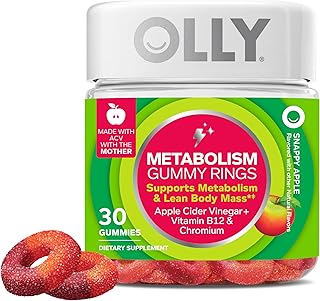
OLLY Metabolism Gummy Rings combine apple cider vinegar, vitamin B12, and chromium in a tasty, chewable format. They’re designed to support energy and digestive health. With a 4.3 rating and over 7,100 reviews, they’re popular among people who want a gentle metabolic boost without counting anything.

Thermogenic Fat Burner Brazilian Lean uses natural ingredients like green tea extract to increase heat production (thermogenesis) and support fat loss. It also targets bloating. At $9.99, it’s an affordable option, though thermogenic supplements work best when combined with exercise and a calorie deficit.

Don’t forget exercise tools. The ZELUS Weighted Vest (available from 6 to 30 lbs) adds resistance to walking, running, or bodyweight exercises, boosting calorie burn without requiring extra time. With a 4.6 rating and nearly 16,000 reviews, it’s a proven way to increase metabolic load.
Product Comparison Table
| Product | Price | Rating | Key Features | Buy now |
|---|---|---|---|---|
|
$65.99 | 4.2 | Blocks fat absorption; 120 capsules | Buy at Amazon |
|
$7.49 | 4.5 | 800 mcg; supports sugar metabolism; 50 tablets | Buy at Amazon |
|
$16.97 | 4.3 | Apple cider vinegar + B12 + chromium; gummy | Buy at Amazon |
|
$9.99 | 4.1 | Thermogenic fat burner; anti-bloat; 60 capsules | Buy at Amazon |
|
$28.98 | 4.6 | 6–30 lbs adjustable; reflective stripe; for workouts | Buy at Amazon |
Practical Truth #4: What You Eat Matters More Than the Exact Number
Focus on protein, fiber, and healthy fats at every meal. These nutrients naturally regulate appetite and reduce the urge to count. A study in American Journal of Clinical Nutrition found that people who increased protein to 30% of calories ate 441 fewer calories per day without any tracking.
Instead of counting, try this: fill half your plate with vegetables, one quarter with lean protein, and one quarter with whole grains or starchy veggies. Add a thumb-sized portion of healthy fat. That’s it.
When Counting Calories Can Help
There are times when short-term tracking is useful:
- You’ve hit a plateau. A few days of logging can reveal hidden sources of extra calories (like liquid calories or cooking oils).
- You’re new to nutrition. Tracking for 2-3 weeks helps calibrate your internal “portion sense.”
- You have a medical condition (e.g., diabetes) where precise carbohydrate counting is necessary.
But as a lifelong habit? Evidence suggests it often does more harm than good, leading to disordered eating patterns.
The Bottom Line
You do not need to count every calorie to lose weight. The practical truth is that building consistent, enjoyable habits around real food, movement, and self-care will take you further than any app or spreadsheet.
Use tools like supplements or weighted vests to support your efforts, but don’t let numbers steal your joy. Progress – not perfection – is the real goal.
FAQ: Calorie Counting & Weight Loss
Is it bad to count calories every day?
For some people, daily calorie counting can lead to anxiety, guilt, and an unhealthy focus on food. It’s fine as a short-term awareness tool, but long-term rigid tracking is not recommended for mental well-being.
Can I lose weight without counting calories?
Yes. Many people lose weight by focusing on whole foods, portion control, and mindful eating. Studies show that dietary patterns (like Mediterranean or DASH) produce weight loss without requiring calorie counting.
Do supplements like chromium or thermogenics replace calorie counting?
No. Supplements can support metabolism or reduce cravings, but they work best alongside a balanced diet and regular activity. They are not a substitute for overall energy balance.
What’s the easiest way to estimate portions without counting?
Use your hand: palm = protein, fist = vegetables, cupped hand = carbs, thumb = fat. This method is roughly accurate for most people and requires no math.
Remember: sustainable weight loss isn’t about getting every number right – it’s about building a lifestyle you can stick with. Choose tools that empower you, not enslave you to a scale.