
You’ve hit your goal weight. Congratulations. Now comes the part that often feels harder than the loss itself: keeping it off. The maintenance phase is where true lifestyle change meets its real test.
Many people regain weight within one to two years after losing it. This isn’t because you lack willpower. It’s because your body and brain fight to return to a set point. Understanding this shift is the first step to lasting success.
In this guide, we’ll explore practical strategies to transition smoothly from weight loss to maintenance, plus smart tools and supplements that can support your journey without causing rebound.
Table of Contents
The Mindset Shift: From “Losing” to “Living”
During weight loss, you focus on a deficit. Calories out > calories in. It’s a temporary, goal-oriented phase.
Maintenance requires a different mindset. You’re no longer chasing a number. Instead, you’re building habits that feel sustainable for life. This means:
- Eating enough to fuel your new body without slipping into restriction.
- Listening to hunger cues instead of following a strict meal plan.
- Prioritizing protein and fiber to preserve muscle and keep you full.
Research shows that people who maintain weight loss successfully tend to eat breakfast regularly, watch portion sizes, and stay physically active. But the real secret is consistency, not perfection.
Build a Maintenance-First Nutrition Plan
The exact calorie range you used to lose weight is too low for maintenance. You need to gradually increase intake while monitoring your weight.
A good rule of thumb: add 200–300 calories per week until your weight stabilizes. This slow reverse diet helps your metabolism adjust.
Key foods to emphasize:
- Lean proteins (chicken, fish, tofu, legumes)
- Whole grains (quinoa, oats, brown rice)
- Healthy fats (avocado, nuts, olive oil)
- Plenty of vegetables and fruits
Avoid swinging back into old habits or “all-or-nothing” thinking. One indulgent meal won’t undo your progress. But a week of unchecked eating can.
Support Your Metabolism with Smart Supplements
Even with a balanced diet, certain nutrients can help your body maintain its new set point. Here are some well-reviewed options to consider:

Nature's Bounty Chromium Picolinate – Supports fat, protein, and sugar metabolism. A simple, affordable way to help your body use nutrients efficiently. (4.5 stars, $7.49)
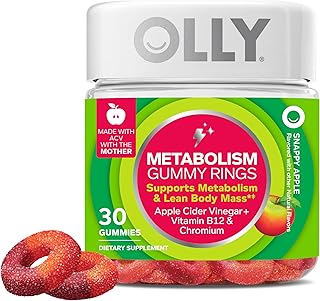
OLLY Metabolism Gummy Rings – Apple cider vinegar plus B12 and chromium in a tasty chewable. Great for energy and digestive health during maintenance. (4.3 stars, $16.97)
If you’re considering prescription-level support, medications like Contrave, Zepbound, and Phendimetrazine are available through Amazon Pharmacy. Always consult a doctor before starting any prescription weight management medication.
Comparison Table: Top Maintenance Support Products
| Product | Price | Key Feature | Rating | Image |
|---|---|---|---|---|
| Nature's Bounty Chromium Picolinate | $7.49 | Supports sugar & fat metabolism | 4.5 | |
| OLLY Metabolism Gummy Rings | $16.97 | ACV + B12 + Chromium gummies | 4.3 | |
| alli Weight Loss Diet Pills | $65.99 | Blocks fat absorption (OTC) | 4.2 |  |
| Premium Liquid Collagen for Women | $26.95 | Collagen + L-Carnitine + ACV | 4.4 |  |
| ZELUS Weighted Vest | $28.98 | Adds resistance to workouts | 4.6 | 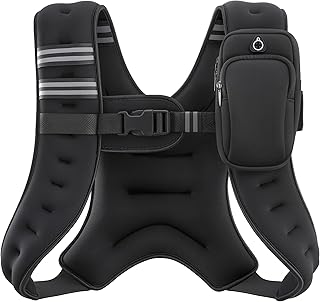 |
Strength Training: Your Secret Weapon for Maintenance
Cardio burns calories, but strength training builds muscle. More muscle means a higher resting metabolism. That makes maintenance easier.
The ZELUS Weighted Vest ($28.98, 4.6 stars) is a simple way to add resistance to walks, bodyweight exercises, or running. It’s adjustable from 6lb to 30lb, so you can progress gradually.
Aim for two to three strength sessions per week. Combine with daily movement like walking or yoga for best results.
Common Pitfalls That Lead to Regain
Avoid these traps during the maintenance phase:
- Going back to old portions. Your appetite may increase, but your stomach doesn’t need much more than during loss. Stay mindful.
- Stopping all tracking. You don’t need to log every bite forever, but a week of check-ins can catch creeping weight.
- Celebrating too hard. A vacation or holiday binge is okay, but return to your new normal quickly.
- Ignoring sleep and stress. Both affect hunger hormones. Prioritize 7–9 hours and daily stress management.
FAQ: Maintenance Phase
How many calories should I eat to maintain my weight?
Start by adding 200–300 calories daily above your loss phase. Monitor your weight for two weeks. Adjust up or down by 100 calories until stable.
Do I need to keep taking weight loss supplements?
Not necessarily. Some people use maintenance supplements like chromium picolinate or metabolism gummies to support energy and nutrient balance. Decide based on how you feel and consult a professional.
Will I gain weight if I eat carbs again?
Carbs are not your enemy. Whole grains, fruits, and vegetables provide fiber and energy. The key is portion control and pairing carbs with protein and fat.
How often should I weigh myself?
Once a week is enough. Daily fluctuations can cause unnecessary stress. Focus on trends over time.
What if I start regaining weight?
Don’t panic. Catch it early by returning to your loss habits for a few days. Add a daily walk, reduce processed foods, and increase water intake. Then go back to maintenance mode.
Final Thoughts
Transitioning from losing to maintaining weight is a skill, not a destination. It requires patience, self-compassion, and a willingness to adapt.
Use the tools that work for you—whether that’s a weighted vest for extra burn, a metabolism gummy for convenience, or a simple supplement like chromium to support nutrient processing. The goal is to create a life where your healthy weight feels natural, not forced.
Keep your eye on the long game. You’ve already proven you can lose. Now prove you can keep it off – your way.