
Weight loss is rarely a straight line. You hit a plateau, miss a workout, or indulge more than planned. In those moments, the inner critic often gets loud. But here’s the truth: self-compassion, not self-criticism, is what keeps you consistent. When you treat yourself with kindness after a setback, you bounce back faster and stay on track longer. This article explores practical self-compassion practices designed to protect your confidence and momentum.
Table of Contents
Why Self-Compassion Matters for Weight Loss Consistency
Research shows that people who practice self-compassion after a slip are more likely to get back to healthy behaviors the next day. Shame and guilt, on the other hand, often trigger emotional eating or complete abandonment of goals. By replacing harsh self-judgment with understanding, you create a safe space to learn, adjust, and continue.
Self-compassion isn’t about letting yourself off the hook. It’s about acknowledging the difficulty of the journey while still holding yourself accountable in a supportive way. This mindset shift is critical for long-term weight loss success.
Common Setbacks in Weight Loss Journeys
Before exploring practices, it helps to recognize the typical hurdles. Knowing you’re not alone normalizes the experience.
- Weight plateaus – the scale stops moving despite effort.
- Binge or overeating episodes – feeling out of control around food.
- Missed workouts – skipping the gym for days or weeks.
- Negative body image days – feeling discouraged by how you look.
- Comparison with others – seeing faster progress in friends or influencers.
Each of these can trigger a spiral of self-blame. Self-compassion stops that spiral.
5 Self-Compassion Practices to Stay Consistent
1. Mindful Awareness – Name the Emotion Without Judgment
When you notice a setback, pause. Instead of thinking “I’m so weak,” simply label the feeling: “This is disappointment. This is frustration.” Mindfulness creates space between the event and your reaction. It allows you to choose your next step rather than react automatically.
Try this: Take three slow breaths. Observe what you feel in your body (tight chest, knot in stomach). Say to yourself: “This is hard. That’s okay.”
2. Self-Kindness – Speak to Yourself Like a Friend
Imagine a close friend tells you they overate last night. What would you say? Probably something warm and encouraging. Now say the same words to yourself. Replace “I ruined everything” with “You’re human, and tomorrow is a fresh start.”
Self-kindness breaks the cycle of shame that often leads to giving up. It reminds you that one misstep doesn’t erase your progress.
3. Common Humanity – Remember You’re Not Alone
Every person on a weight loss journey has fallen off track. Setbacks are universal, not personal failures. When you feel isolated in your struggle, remind yourself: thousands of others are working through the same challenges right now.
This practice reduces the sting of embarrassment and helps you reach out for support when needed.
4. Reframe Setbacks as Data
Instead of seeing a slip as proof you “can’t do this,” treat it as valuable feedback. Ask: What triggered this? What can I adjust? Maybe you skipped breakfast and got too hungry, or your workout plan was too rigid. Reframing turns failure into a learning opportunity.
Tip: Keep a simple journal. After each setback, write one thing you’ll try differently next time.
5. Small Acts of Self-Care – Recommit Gently
After a setback, the urge is often to punish yourself with extra workouts or strict restriction. That rarely works. Instead, choose one small, kind act that supports your goal. Maybe it’s drinking a big glass of water, going for a 10-minute walk, or taking your supplements.
For example, many people find that supporting their metabolism with products like OLLY Metabolism Gummy Rings (Apple Cider Vinegar, Vitamin B12, Chromium) helps them feel back in control after a rough day. A gentle recommitment is more sustainable than a harsh rebound.
How to Build a Self-Compassionate Routine
Consistency comes from habits, not willpower. Build these self-compassion practices into your daily life:
| Time | Practice |
|---|---|
| Morning | Set an intention: “I will treat myself with kindness today, no matter what.” |
| During a slip | Use the 3-step pause: breathe, name the feeling, say a kind phrase. |
| Evening | Reflect on one thing you did well, even if small. |
You can also use tools that reinforce your efforts. For instance, wearing a ZELUS Weighted Vest during walks adds low-intensity fat burning while keeping you active – a forgiving way to stay consistent without high-impact workouts.
Products to Support Your Journey
Sometimes supplements and gear can help you feel more equipped and reduce the friction of starting again. Below is a comparison of some popular weight loss supports. Use them as part of a compassionate, balanced approach.
| Product | Price | Rating | Key Benefit | Buy at Amazon |
|---|---|---|---|---|
 |
$16.97 | 4.3 | Metabolism support with ACV & B12 | Buy |
 |
$7.49 | 4.5 | Supports sugar & fat metabolism | Buy |
 |
$26.95 | 4.4 | Collagen + L-Carnitine for weight loss & beauty | Buy |
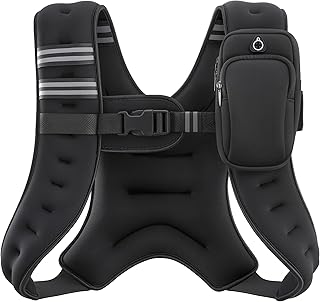 |
$28.98 | 4.6 | Adds resistance to walks/runs | Buy |
 |
$65.99 | 4.2 | Non-prescription fat blocker | Buy |
Remember: no product replaces the foundation of diet and exercise. But they can give you a gentle edge during tough weeks. Always consult a healthcare professional before starting any supplement.
Conclusion: Embrace Imperfections to Stay on Track
Setbacks are not signs of failure – they are part of the process. By practicing self-compassion, you transform obstacles into opportunities for growth. You stop punishing yourself and start supporting yourself. Over time, this builds real confidence and lasting consistency.
Next time you stumble, whisper: “This is hard, and I’m still here. I can begin again.” That moment of kindness is the most powerful tool you have.
FAQ
Q: What if I feel like self-compassion will make me lazy?
A: Research shows the opposite. Self-compassion increases motivation because it reduces fear of failure. You’re more likely to try again after a slip.
Q: How quickly can I expect to see results from being self-compassionate?
A: The mindset shift is immediate, but behavioral changes compound over weeks. Many people notice they bounce back within a day instead of a week.
Q: Can I use self-compassion if I’ve had many setbacks in a row?
A: Absolutely. In fact, multiple setbacks are when self-compassion matters most. Remind yourself that consistency is built in the long run, not overnight.
Q: Are supplements necessary for weight loss consistency?
A: No, but some people find them helpful for energy or metabolism. Use them as a complement, not a crutch.
Q: What is the number one self-compassion practice you recommend?
A: Start with mindful awareness. Just pausing to name your emotion without judgment can break the cycle of shame.