
Weight loss apps promise the moon. Track your meals, count your steps, log your sleep—and the pounds will melt away, right? Not always. The reality is that many apps overload you with data but miss the one thing that truly matters: actionable feedback that keeps you moving forward. The best apps aren’t just data collectors; they’re coaches that help you measure what counts.
When you start your weight loss journey, it’s easy to get lost in notifications, social feeds, and calorie-counting fatigue. The key is to choose an app that focuses on meaningful progress signals—not just numbers that make you feel bad. Combine that with smart supplements and tools, and you’ve got a system that actually works.
Table of Contents
What Makes a Weight Loss App Actually Useful?
Before we dive into the products that can support your progress, let’s look at the features you should demand from any app you download.
1. Simple, Visual Progress Tracking
The best apps ditch the spreadsheets for visual dashboards. You need to see your weight trend, body measurements, and progress photos in one glance—not buried in menus. Look for apps that use smooth graphs and color-coded streaks to keep you motivated.
2. Customizable Daily “Check-Ins”
One size does not fit all. A good app lets you set your own metrics: weight, waist circumference, blood sugar, steps, sleep quality—whatever matters to you. It should then send you a simple check-in prompt each day, not a barrage of alerts.
3. Integration With Real Tools
Your app shouldn’t live in a vacuum. It should sync with your smart scale, fitness tracker, and even your supplement schedule. If you’re taking something like alli Weight Loss Diet Pills as a prescription-free aid, you’ll want your app to remind you to log your dose and any side effects.

alli (orlistat 60 mg) is one of the most well-known over-the-counter weight loss aids. It works by blocking some of the fat you eat so you absorb fewer calories. But to use it effectively, you need to track your fat intake—exactly the kind of measurement a good app can help with.
4. Accountability Without Shame
The best apps don’t punish you for missing a day. Instead, they celebrate streaks and give gentle nudges. Look for features like “week in review” summaries that highlight small wins.
Tracking the Metrics That Truly Matter
The hype cycle of weight loss apps often focuses on daily weigh-ins. But the scale can be deceiving. Here are the measurements you should prioritize in any app:
- Weight (weekly average): Weigh yourself no more than once a week and let the app calculate a rolling average.
- Body measurements: Waist, hips, chest, arms, legs. These change when the scale doesn’t.
- Progress photos: Front, side, back—every 4 weeks.
- Energy & mood logs: Because how you feel matters as much as what you weigh.
- Food & drink logs: Focus on protein, fiber, and water intake, not just calories.
Some supplements can support those metrics. OLLY Metabolism Gummy Rings combine apple cider vinegar, vitamin B12, and chromium—all known to support digestion and energy metabolism.
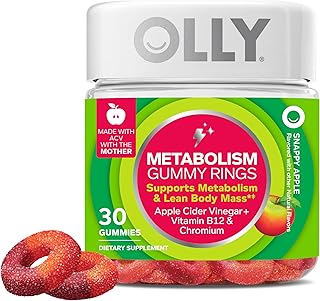
Logging your energy levels in your app becomes more meaningful when you’re also taking a B12 supplement. You can directly see if your “daily energy rating” improves over time.
Beyond the App: Hardware That Amplifies Your Data
Sometimes the best tool isn’t an app at all—it’s a physical device that forces your body to work harder. The ZELUS Weighted Vest is a perfect example.
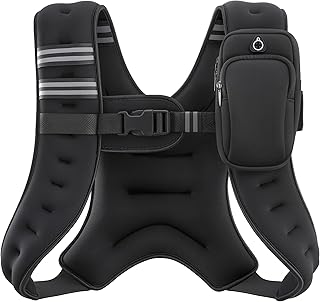
Wearing a weighted vest during walks or strength training increases caloric burn without adding extra time. Many top weight loss apps can sync with your fitness tracker to record that increased heart rate. It’s a win-win: you get better results, and your app has richer data to analyze.
The Growing Role of Medication in Weight Loss
Weight loss apps have also evolved to support people using prescription medications like Zepbound (tirzepatide), Contrave (bupropion/naltrexone), and Phendimetrazine. These are serious tools that require careful tracking of side effects, appetite changes, and weight loss progress.
| Product | Price | Rating | Key Feature | Buy Now |
|---|---|---|---|---|
|
$65.99 | 4.2 ⭐ | Blocks fat absorption; best with low-fat meals | Buy on Amazon |
|
$16.97 | 4.3 ⭐ | Apple cider vinegar + B12 + chromium for metabolism | Buy on Amazon |
 |
$26.95 | 4.4 ⭐ | Collagen + hyaluronic acid + L-carnitine for beauty & weight loss | Buy on Amazon |
|
$28.98 | 4.6 ⭐ | Adjustable weight vest for adding intensity to workouts | Buy on Amazon |
If you’re using a prescription option like Zepbound, your app becomes even more critical. You need to track appetite suppression, nausea, and weight trends to share with your doctor. Phendimetrazine is a stimulant appetite suppressant that requires careful monitoring of heart rate and blood pressure—both of which can be logged in a good health app.
Supplementing Your App: What to Look For
Not all supplements are built the same, just like not all apps are built the same. When you’re choosing a weight loss support product, consider these criteria:
- Science-backed ingredients: Look for things like chromium picolinate (found in Nature’s Bounty Chromium Picolinate) that help regulate blood sugar and curb cravings.
- Convenient format: Gummies, capsules, or liquid—pick what you’ll actually take daily.
- Clear dosing instructions: No mystery blends. You should know exactly how much you’re taking.

A product like Purely Inspired 7-Day Detox Cleanse is often used as a short-term reset to kickstart a diet. Pair it with your app’s daily check-ins to see how you feel after the cleanse—do energy and digestion improve?
The Danger of Marketing Hype
Many apps tout “AI-powered meal plans” or “personalized metabolic analysis” but deliver generic advice. Here’s how to spot the real deal:
- Transparent algorithms: If the app claims to know your metabolism, ask how. Does it use your actual blood work or just a questionnaire?
- No lock‑in: You should be able to export your data—weight logs, measurements, photos—at any time.
- Privacy first: Your health data is sensitive. Look for apps that are HIPAA compliant and don’t sell your info.
Putting It All Together: Your Action Plan
Choosing the right weight loss app is about context, not just features. An app that helps you log only what moves the needle—and frees up mental energy for real life—will outperform any flashy dashboard.
Start here:
- Download an app that focuses on 3 key metrics (e.g., weight trend, waist measurement, and mood).
- Add one physical tool, like the ZELUS Weighted Vest, to increase your activity output.
- Consider a targeted supplement—like alli or OLLY Metabolism Gummy Rings—to support your efforts.
- Log consistently for 4 weeks, then review your progress using the app’s summary feature.
- Adjust based on data, not hype.
Frequently Asked Questions
Q: Can I trust free weight loss apps?
A: Many free apps are excellent for basic tracking. The risk is that they may sell your data or show ads. Choose a free app that lets you export your data and doesn’t require an internet connection for logging.
Q: Should I take a weight loss supplement without an app?
A: You can, but you’ll miss valuable feedback. For example, taking alli without tracking fat intake is like driving without a speedometer. The app helps you adjust.
Q: How often should I measure progress?
A: Weigh yourself weekly. Take measurements and progress photos every 4 weeks. Use your app to log daily energy and digestion—those signals change faster.
Q: Is a weighted vest safe for beginners?
A: Yes, start with a light weight (6–8 lbs) and focus on proper posture. The ZELUS Weighted Vest has reflective strips for safety if you walk outdoors.
Q: Do prescription weight loss medications require an app?
A: Not required, but strongly recommended. Doctors will ask about appetite, side effects, and weight trends. An app makes that data easy to share and spot.
Remember: an app is a guide, not a magic wand. The best tool is the one you'll actually use. And when you pair it with proven products and consistent tracking, you transform hype into real, lasting results.