
If you’ve ever stood in the grocery aisle wondering whether to reach for the protein bar or the apple, you already know that numbers alone don’t tell the full story. Calorie and macro tracking can be a powerful tool for weight loss, but it’s also easy to fall into obsession or unhealthy restriction. The key is using targets safely — as a guide, not a prison.
This article will walk you through a practical, balanced approach to tracking that keeps your health and mindset front and centre. Whether you’re new to macro counting or looking to refine your habits, you’ll learn how to set realistic goals, choose the right tools, and recognise when it’s time to adjust.
Table of Contents
Why Calorie and Macro Tracking Matters for Safe Weight Loss
Tracking calories and macronutrients (protein, carbs, and fat) gives you insight into your eating patterns. When done mindfully, it helps create a calorie deficit without cutting out essential nutrients. This is crucial because weight loss that comes at the expense of muscle mass or metabolic health rarely lasts.
Safety first: The goal isn’t to eat as little as possible. A safe deficit is typically 300–500 calories below your maintenance level, and your protein intake should stay high enough to preserve muscle. Tracking ensures you’re hitting those minimums.
Setting Realistic and Personalised Targets
One-size-fits-all numbers can be dangerous. Your age, activity level, gender, and current weight all affect what a healthy deficit looks like. Use a reputable calculator (like the Mifflin-St Jeor equation) to estimate your total daily energy expenditure (TDEE), then subtract 10–20% for weight loss.
Macro split example for weight loss:
- Protein: 1.6–2.2 g per kg of body weight
- Fats: 20–30% of total calories
- Carbs: the remaining calories, adjusted for energy needs
Pro tip: Start with your current diet for the first week. Track without changing anything. That baseline shows you where you are before you start cutting.
Choosing the Right Tracking Tools
Apps like MyFitnessPal, Cronometer, and Lose It! make logging easier, but they’re only as good as the data you enter. Weighing your food with a digital scale (especially for protein sources) improves accuracy.
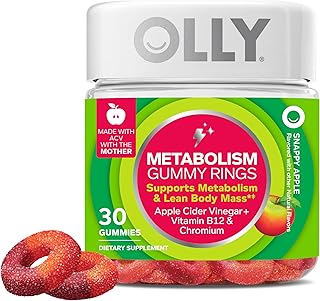
Some people also add a supplement to support their efforts. For example, OLLY Metabolism Gummy Rings provide Apple Cider Vinegar, Vitamin B12, and Chromium — a combination that can help support energy and digestive health during a calorie deficit.
Another smart addition: Nature’s Bounty Chromium Picolinate (800 mcg) supports fat, protein, and sugar metabolism. It can be especially helpful if you’re experiencing sugar cravings while adjusting to lower calories.
Common Pitfalls and How to Avoid Them
- Obsessing over every gram — Minor daily fluctuations are normal. Focus on weekly averages instead.
- Undereating on workout days — Your body needs fuel for exercise. Adjust your targets based on activity.
- Ignoring micronutrients — A high-protein diet still needs fruits, vegetables, and healthy fats.
- Relying only on the scale — Weight loss is non-linear. Use measurements, progress photos, and how your clothes fit.
When to Adjust Your Targets
If you hit a plateau for 2–3 weeks, it’s time to recalculate — not restrict further. Recalculate your TDEE at your new lower weight or increase your step count. If you’re feeling weak, irritable, or losing hair, those are signs you’re cutting too fast.
Supplementing Smartly: Tools That Can Help
While whole foods should always come first, certain supplements can fill in the gaps or boost your results when combined with tracking.
For appetite control and satiety:
- alli Weight Loss Diet Pills (Orlistat 60 mg) blocks some fat absorption. Note: it works best alongside a lower-fat diet and may cause digestive side effects.
For collagen and beauty support:
- Premium Liquid Collagen with Hyaluronic Acid and L-Carnitine. It’s a great way to support skin and hair while getting extra protein during weight loss.
For intermittent or short-term use:
- Purely Inspired 7-Day Detox Cleanse — powered with Senna Leaf and Apple Cider Vinegar. Useful if you feel bloated after a high-sodium meal, but not a long-term solution.
Thermogenics (use cautiously):
- Thermogenic Fat Burner Brazilian Lean ($9.99, 4.1 stars) — formulated with vitamins and natural extracts. Thermogenics can increase heart rate, so start with half a dose and never stack them with caffeine.
Comparison Table: Top Weight Loss Supplements & Tools
| Product | Price | Rating | Key Benefit | Buy at Amazon |
|---|---|---|---|---|
 |
$65.99 | 4.2 ★ | Blocks fat absorption | Buy Now |
|
$16.97 | 4.3 ★ | Energy & digestion support | Buy Now |
 |
$7.49 | 4.5 ★ | Sugar metabolism | Buy Now |
 |
$26.95 | 4.4 ★ | Collagen + L-Carnitine | Buy Now |
Note: Consult your doctor before starting any new supplement, especially prescription weight loss medications like Zepbound ($25.00), Contrave ($50.00), or Phendimetrazine ($4.00). These are only available through a healthcare provider.
Tracking Progress Beyond the Scale
The scale can be misleading — water retention, food weight, and hormonal cycles all cause daily swings. A safer way to measure progress includes:
- Weekly waist and hip measurements (use a flexible tape)
- Progress photos in consistent lighting
- How your clothes fit — a non‐scoring victory
- Energy levels and strength in the gym
A quick note on weighted vests: Adding extra load to your walks or bodyweight exercise can boost calorie burn without changing your diet drastically. The ZELUS Weighted Vest (4.6 stars, $28.98) comes in weights from 6 to 30 lbs and has a reflective stripe for safety — perfect for outdoor cardio.
FAQ: Calorie and Macro Tracking for Safe Weight Loss
How many calories should I cut for healthy weight loss?
Aim for a deficit of 300–500 calories below your maintenance. Anything more than that risks muscle loss, metabolic slowdown, and nutrient deficiencies.
Do I need to track macros forever?
No. Many people use tracking to build awareness for 4–8 weeks, then switch to portion control or intuitive eating. The habit sticks even after you stop logging.
Can supplements replace tracking?
Supplements like Nature’s Bounty Chromium Picolinate support metabolism, but they work best when you’re already eating in a deficit. They aren’t a substitute for balanced nutrition.
What if I have a history of disordered eating?
Skip strict tracking. Instead, focus on food quality, meal timing, and mindful eating. Work with a dietitian or therapist before diving into numbers.
Should I buy a weighted vest for weight loss?
It’s a great tool to increase intensity without joint stress. The ZELUS Weighted Vest is highly rated and affordable. Start with 10% of your body weight and gradually increase.
Final Thoughts: Safe, Sustainable, and Personal
Calorie and macro tracking is one of the most effective strategies for weight loss — but only when done with safety and empathy for yourself. Numbers should empower you, not control you. Pair your tracking with quality sleep, movement you enjoy, and a support system.
Start with realistic targets, use tools like the OLLY Metabolism Gummy Rings or Nature’s Bounty Chromium to fill small gaps, and remember: consistency beats perfection. You’ve got this.
Disclaimer: This article includes affiliate links. As an Amazon Associate I earn from qualifying purchases. Always consult a healthcare professional before starting any new diet or supplement regimen.