
Starting a weight loss journey without medical guidance can be risky. Before any professional intervention—whether it’s a prescription medication, a supplement regimen, or a comprehensive lifestyle program—your provider typically orders a series of lab tests. These screenings reveal the hidden factors that may be sabotaging your efforts and help tailor a safe, effective plan.
In this article, we’ll explore the key lab tests professionals commonly check before treatment, when to consider professional support, and the medical weight loss options—including prescription drugs and over-the-counter supplements—that often follow these screenings.
Table of Contents
Why Medical Screening Matters for Weight Loss
Lab tests are not just a formality. They uncover underlying conditions like hypothyroidism, insulin resistance, hormonal imbalances, and nutrient deficiencies. Without this data, you might follow a generic diet or take random supplements that fail to address your specific needs. Screening ensures that your treatment plan is both safe and aligned with your biology.
- Personalized approach: Results guide the choice of medication or supplement.
- Safety first: Identifies contraindications (e.g., liver issues with certain weight loss drugs).
- Baseline tracking: Allows you to measure progress beyond the scale.
Common Lab Tests Professionals Order
Here are the most frequently ordered lab panels before starting any medical weight loss program.
Blood Sugar and Insulin Resistance
Fasting glucose and hemoglobin A1c are checked to rule out prediabetes or diabetes. Professionals also measure fasting insulin to assess insulin resistance—a major driver of stubborn weight gain.
If your HBA1c is above 5.7% or your fasting insulin is elevated, your provider may recommend medications like metformin or GLP-1 agonists (e.g., Zepbound) before adding any supplement.
Thyroid Function
The thyroid controls your metabolic rate. TSH (thyroid-stimulating hormone) is the primary screen. Abnormal TSH often leads to a full thyroid panel including T3 and T4. Untreated hypothyroidism can render any diet or supplement ineffective.
Lipid Profile and Cardiovascular Health
Total cholesterol, LDL, HDL, and triglycerides are measured. High LDL or triglycerides may require statin therapy before starting certain weight loss drugs. Blood pressure is also checked.
Liver and Kidney Function
ALT, AST (liver enzymes) and creatinine, BUN (kidney markers) are essential. Several weight loss medications (like orlistat, the active ingredient in alli) can affect liver function, so baseline tests protect you.
Vitamin and Mineral Deficiencies
Vitamin D, vitamin B12, iron, ferritin, and magnesium are commonly low in people struggling with weight. Deficiencies can cause fatigue, cravings, and poor metabolism. Supplementing with products like Nature’s Bounty Chromium Picolinate or OLLY Metabolism Gummy Rings may help, but only after labs confirm what you actually need.
Hormonal Imbalances
Cortisol (stress hormone), testosterone, and estradiol are checked, especially if you experience belly fat, low energy, or mood swings. Sex hormone-binding globulin (SHBG) can also indicate metabolic issues.
Interpreting Results: When to Consider Professional Support
If your lab work shows anything outside the normal range, it’s a clear sign that professional supervision is warranted. For example:
- High cortisol + low thyroid → indicates need for both stress management and medication.
- Low vitamin D + insulin resistance → suggests targeted supplementation combined with lifestyle changes.
- Elevated liver enzymes → avoid certain OTC weight loss pills.
Don’t self-diagnose. A doctor or registered dietitian will interpret your labs and recommend a customized approach.
Medical Weight Loss Options After Screening
Once the lab results are in, professionals often suggest one or more of the following interventions.
Prescription Weight Loss Medications
Zepbound (tirzepatide) is a GLP-1/GIP receptor agonist that improves blood sugar control and suppresses appetite. It’s available by prescription only and requires regular monitoring.
Contrave (bupropion/naltrexone) targets two brain pathways to reduce cravings and increase energy. It’s often prescribed after labs rule out seizure or eating disorder risks.
Phendimetrazine is a short-term appetite suppressant for people with a BMI over 30. It’s typically used for 8–12 weeks.
Over-the-Counter Supplements
For those with mild metabolic issues or nutrient gaps, OTC options can be effective when combined with diet changes.
alli (Orlistat 60 mg) blocks fat absorption. It’s the only FDA-approved OTC weight loss drug.
Nature’s Bounty Chromium Picolinate supports sugar metabolism. It’s a low-cost option for people with mild insulin resistance.
OLLY Metabolism Gummy Rings combine apple cider vinegar, vitamin B12, and chromium in a tasty chewable form—great for daily compliance.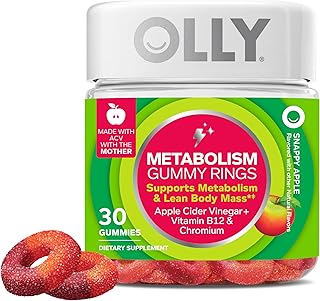
Premium Liquid Collagen (with L-carnitine and hyaluronic acid) can support lean muscle and skin health during weight loss.
Purely Inspired 7-Day Detox Cleanse is a short-term digestive reset. Use only after confirming liver function is normal.
Thermogenic Fat Burner Brazilian Lean boosts metabolism via thermogenesis. It’s best for people without hypertension.
ZELUS Weighted Vest isn’t a supplement but a tool to increase calorie burn during walks or runs. Perfect for adding intensity safely.
Comparison Table of Top Products
| Product | Price | Rating | Key Benefit | Buy at Amazon |
|---|---|---|---|---|
| Zepbound (tirzepatide) | $25.00 | — | Prescription GLP-1/GIP agonist for appetite control | |
| Contrave (bupropion/naltrexone) | $50.00 | — | Prescription dual-action craving reducer | |
| alli (Orlistat 60 mg) | $65.99 | ⭐4.2 (28,600 reviews) | OTC fat blocker | |
| Phendimetrazine | $4.00 | — | Short-term appetite suppressant (prescription) | |
The Role of Lifestyle Changes and Professional Guidance
Lab tests and medications are powerful tools, but they work best within a holistic framework. After reviewing your results, your provider may also recommend:
- A structured eating plan (e.g., Mediterranean diet, low-carb)
- Exercise modifications (including weighted vests for added resistance)
- Stress management techniques (to lower cortisol)
- Sleep hygiene improvements (sleep deprivation worsens insulin resistance)
Supplements like OLLY Metabolism Gummy Rings or Nature’s Bounty Chromium can support metabolic pathways, but they should never replace whole foods or medical treatment.
Frequently Asked Questions
1. Do I need a lab test before taking weight loss supplements?
Yes. Many supplements affect blood sugar, liver enzymes, or blood pressure. Without a baseline, you risk adverse reactions or choosing the wrong product.
2. What is the most important lab test for weight loss?
A fasting insulin and glucose panel is often the most revealing. High insulin usually indicates insulin resistance, which is a key driver of weight gain and a target for many treatments.
3. Can I buy Zepbound without a prescription?
No. Zepbound requires a prescription and medical monitoring. You can find it on Amazon Pharmacy with a valid prescription from your doctor.
4. Are OTC products like alli safe for everyone?
Alli (orlistat) is safe for most people, but it can cause liver issues in rare cases and interferes with fat-soluble vitamin absorption. Always check liver function before use.
5. How long after lab tests should I start a weight loss program?
Most professionals review results within a few days to a week. Once cleared, you can begin your chosen treatment immediately.
By understanding what your lab results say about your body, you can choose the right medical weight loss option—whether that’s a prescription like Zepbound or Contrave, an OTC supplement like alli, or a combination approach. Always consult a healthcare professional before starting any new regimen. Your health journey starts with knowledge, and lab tests are the first step.