
Weight loss can feel like an uphill battle. You’ve tried diet after diet, spent hours at the gym, and still the scale barely moves. At some point, you start wondering if there’s a smarter way — and that’s where medical weight loss enters the picture.
Medical weight loss isn’t about quick fixes or fads. It’s a structured, often doctor-supervised approach that can include prescription medications, over-the-counter supplements, and even wearable tools. If you’re struggling with persistent weight issues, professional support might be exactly what you need. For example, some people turn to FDA-approved options like alli Weight Loss Diet Pills to help block dietary fat absorption, while others explore prescription treatments.
Let’s dive into the signs that suggest it’s time to seek medical weight loss help — and what options are available.
Table of Contents
Signs It’s Time to Consider Medical Weight Loss
Not everyone needs medical intervention. But certain red flags indicate that your body requires more than willpower alone.
1. Your BMI Is Above 30 (or Above 27 with Health Conditions)
Body Mass Index (BMI) is a starting point. If your BMI is over 30, you fall into the obesity range. A BMI above 27 combined with conditions like high blood pressure, type 2 diabetes, or sleep apnea also signals the need for medical guidance. At this stage, lifestyle changes alone often aren’t enough.
2. You Have Weight-Related Health Issues
Excess weight puts stress on your heart, joints, and metabolism. Common comorbidities include:
- High cholesterol
- Insulin resistance or prediabetes
- Joint pain (especially knees and hips)
- Obstructive sleep apnea
When your weight directly impacts your health, professional support can reduce risks and improve quality of life.
3. You’ve Tried Everything — Nothing Works
You’ve done keto, intermittent fasting, calorie counting, and personal training. Yet every time you lose a few pounds, they come roaring back. This “yo-yo” cycle is exhausting. Medical weight loss offers tools like prescription medications (e.g., Zepbound) that target hunger hormones and metabolism in ways dieting cannot.
4. Emotional Eating Controls Your Life
Do you eat when stressed, bored, or sad? Emotional eating is one of the hardest patterns to break alone. Medical weight loss programs often include behavioral counseling alongside medication or supplements, helping you address the root causes.
5. You Have a Family History of Obesity
Genetics play a major role in weight regulation. If obesity runs in your family, your body may be predisposed to store fat or resist weight loss. Medical interventions can help override those genetic tendencies.
6. You’re Pre-Diabetic or Have Type 2 Diabetes
Weight loss is a cornerstone of diabetes management. Losing even 5–10% of your body weight can improve blood sugar control. Prescription options like Contrave are designed to curb cravings and support sustained weight loss in people with metabolic conditions.
Medical Weight Loss Options: What’s Available?
Once you decide it’s time to get help, you’ll find a range of evidence-based tools. Here’s a breakdown of the most common categories.
Prescription Medications
These are FDA-approved drugs that require a doctor’s prescription. They work by suppressing appetite, blocking fat absorption, or altering metabolism.
- Zepbound (tirzepatide) – A once-weekly injection originally developed for diabetes, now approved for weight loss. It mimics hormones that regulate appetite.
- Contrave – A combination of bupropion and naltrexone that targets the brain’s reward system to reduce food cravings.
- Phendimetrazine – A stimulant taken short-term for appetite suppression.
Prescription options are powerful but must be monitored by a healthcare provider.
Over-the-Counter Supplements
Many people start with OTC products that can support a healthy diet and exercise plan.
- Natural's Bounty Chromium Picolinate – Helps metabolize fat and carbohydrates. A low‑cost addition to your routine.
- OLLY Metabolism Gummy Rings – Contains apple cider vinegar, vitamin B12, and chromium in a tasty gummy form.
- Premium Liquid Collagen – Combines collagen with L‑carnitine, biotin, and apple cider vinegar for beauty and weight support.
- Purely Inspired 7-Day Detox Cleanse – A gentle cleanse with senna, probiotics, and digestive enzymes.
- Thermogenic Fat Burner Brazilian Lean – A thermogenic blend designed to increase calorie burn and reduce bloating.
While OTC supplements are more accessible, they work best when combined with lifestyle changes.
Fitness Tools and Wearables
Physical activity remains a cornerstone of weight loss. The right equipment can maximize your workouts.
- ZELUS Weighted Vest – Adds resistance to walking, running, or bodyweight exercises. Helps burn more calories and build lean muscle.
Comparison of Top Medical Weight Loss Products
| Product | Image | Price | Key Features | Buy at Amazon |
|---|---|---|---|---|
| alli Weight Loss Diet Pills |  |
$65.99 | Blocks fat absorption; 120-count refill; over‑the‑counter | Buy at Amazon |
| Zepbound |  |
$25.00 | Injectable prescription; mimics appetite‑regulating hormones | Buy at Amazon |
| Contrave |  |
$50.00 | Prescription combination drug; reduces cravings | Buy at Amazon |
| Phendimetrazine |  |
$4.00 | Short‑term appetite suppressant; prescription only | Buy at Amazon |
| Nature's Bounty Chromium Picolinate |  |
$7.49 | Supports sugar & fat metabolism; 800 mcg, 50 tablets | Buy at Amazon |
| OLLY Metabolism Gummy Rings | 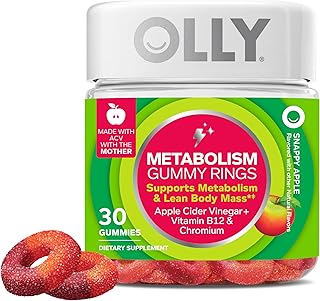 |
$16.97 | Apple cider vinegar + B12 + chromium; 30 gummies | Buy at Amazon |
Frequently Asked Questions
Q: How long do I need to take medical weight loss medications?
A: It depends on the product and your goals. Prescription medications like Zepbound or Contrave are typically used for several months to a year. OTC supplements can be used as long as needed, but always follow label instructions.
Q: Are medical weight loss products safe?
A: Most are safe when used as directed. Prescription medications require a doctor’s supervision. Always discuss with your healthcare provider before starting any new regimen, especially if you have underlying health conditions.
Q: Can I use over-the-counter supplements instead of prescriptions?
A: Yes, many people start with OTC options like alli or Nature’s Bounty Chromium Picolinate. They’re less potent but can support moderate weight loss. If you have significant weight to lose or health issues, prescriptions may be more effective.
Q: Do weighted vests really help with weight loss?
A: Yes. A weighted vest increases the intensity of your workout, helping you burn more calories and build muscle. The ZELUS Weighted Vest is a popular choice for adding resistance to everyday movement.
Q: How do I know which product is right for me?
A: Start by assessing your health status and weight loss history. If you have a BMI over 30 or weight‑related conditions, speak with a doctor about prescription options. For a more gradual approach, try OTC supplements first.
Conclusion: Medical weight loss is not a shortcut — it’s a strategic tool for those who need extra support. Whether you choose a prescription like Zepbound, an OTC option like alli, or a fitness tool like the ZELUS Weighted Vest, the key is to match the intervention to your unique situation. Listen to your body, consult a professional, and take the first step toward lasting change.