
You’ve probably noticed the way your teen looks in the mirror — the sighs, the comparisons, the quiet frustration. Weight and body image are heavy topics, and most parents feel unprepared to handle them. Yet the way you talk about food, feelings, and bodies shapes your child’s relationship with health for life.
This isn’t about dieting or quick fixes. It’s about raising teens who respect their bodies, understand their emotions, and make food choices from a place of self-care, not shame.
Table of Contents
Why This Conversation Matters More Than Ever
Today’s teens face a minefield of social media filters, fitness influencers, and fad diets. Nearly one in five adolescents struggles with disordered eating, and many more grapple with poor body image. The weight loss industry often targets young people with messages that make them feel “not enough.”
Your role as a parent isn’t to be a food police officer or a weight-loss coach. It’s to be a safe space where your teen can talk about their body without judgment.
Section 1: Redefining Food — From Forbidden to Fuel
Many teens see food as the enemy. They skip breakfast, fear carbs, or binge after restriction. The conversation needs to shift from “good” and “bad” foods to “how does this make me feel?”
Focus on these principles:
- Nutrient density over calorie counting — Teach your teen that colorful vegetables, lean protein, and whole grains give them energy for sports, school, and fun.
- Flexible eating — No food is off-limits. Occasional treats are part of a balanced life.
- Listening to hunger cues — Encourage your teen to eat when hungry and stop when comfortably full.
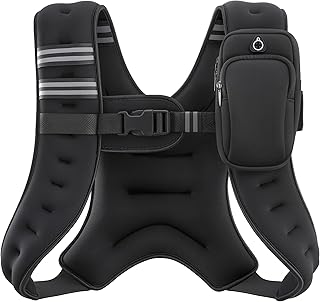
Pairing healthy eating with enjoyable movement, like walking with a weighted vest, creates lifelong habits.
Section 2: Untangling Feelings from Food
Emotional eating is common in teens — a bad grade, a friendship fight, or social anxiety can send them straight to the pantry. Instead of shaming, help them name the feeling.
Practical steps for parents:
- Start with “I notice you’ve been eating a lot of snacks lately. How are you feeling?”
- Offer alternative coping tools: journaling, talking, music, or a walk.
- Model your own emotional awareness — say things like “I’m stressed, so I’m going to take a deep breath instead of grabbing chips.”
When emotions run high, supplements like Nature’s Bounty Chromium Picolinate may help with sugar metabolism, but they are not a substitute for emotional support. Always consult a healthcare provider first.
Section 3: Body Respect Over Body Shame
Respecting your body doesn’t mean ignoring health — it means treating your body with kindness while making choices that support well-being.
Key messages for your teen:
- Your body is not a project to be fixed. It’s the vehicle for your life.
- Health looks different for every person. Genetics play a huge role.
- Focus on what your body can do — run, dance, laugh, create — not just how it looks.
Products to consider (with a doctor’s guidance):

Collagen supplements can support skin health and joint function, but they’re not a magic weight loss tool. Use them as part of a bigger healthy lifestyle.
Section 4: Healthy Weight Loss Strategies for Teens & Families
If your teen does need to manage their weight, the approach should be gentle, evidence-based, and never extreme. Avoid crash diets, detox cleanses, or skipping meals.
Build these family habits together:
- Eat at least one meal together per day — family dinners reduce disordered eating.
- Move in ways that feel good — try hiking, biking, or joining a recreational sports league.
- Prioritize sleep — teens need 8–10 hours for healthy metabolism and emotional regulation.
- Limit screen time and sugar-sweetened beverages — these are the two biggest drivers of weight gain in teens.
For adults in the family looking for support, over-the-counter options like alli Weight Loss Diet Pills (orlistat) can block some dietary fat absorption. OLLY Metabolism Gummy Rings provide apple cider vinegar and B vitamins. Both products are intended for adults 18+ and should be used alongside diet and exercise.
Section 5: When Professional Help or Medical Options Are Needed
Sometimes lifestyle changes aren’t enough, especially for teens with obesity, insulin resistance, or binge eating disorder. In those cases, a doctor may prescribe medication.
Prescription weight loss options include:
- Zepbound (tirzepatide) — a once-weekly injection for chronic weight management.
- Contrave (bupropion/naltrexone) — a daily pill that targets appetite centers in the brain.
- Phendimetrazine — a short-term appetite suppressant.
These medications are FDA-approved for adults with a BMI ≥ 30 or ≥ 27 with weight-related conditions. They are not first-line for teens and must be prescribed by a specialist. Never buy prescription meds without a doctor’s supervision.

Thermogenic fat burners like Brazilian Lean are marketed for adults, but they contain stimulants and are not recommended for teens.
Comparison Table: Weight Loss Aids for Adults (Not Recommended for Teens)
| Product | Price | Key Feature | Rating | Buy at Amazon |
|---|---|---|---|---|
 |
$25.00 | Prescription GLP-1 agonist | N/A | Buy Now |
 |
$50.00 | Appetite suppressant (Rx) | N/A | Buy Now |
 |
$65.99 | Blocks fat absorption (OTC) | 4.2 / 5 | Buy Now |
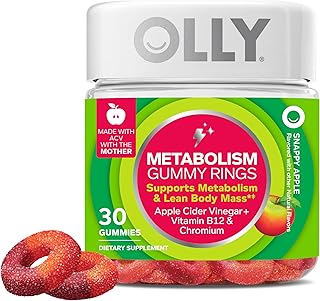 |
$16.97 | ACV + B12 + Chromium (OTC) | 4.3 / 5 | Buy Now |
|
$26.95 | Collagen + metabolism support | 4.4 / 5 | Buy Now |
All products are for adults 18+. Always talk to a doctor before starting any supplement or medication.
FAQ — Food, Feelings, and Body Respect
Q: At what age should I start talking to my child about weight?
A: Avoid conversations about weight before age 10 unless your child brings it up. Focus on health behaviors (eating veggies, moving daily) rather than pounds.
Q: How do I handle it if my teen is being bullied about their weight?
A: Validate their feelings, offer to speak with school staff, and help them find a supportive community — whether through sports, art, or a counselor who specializes in body image.
Q: Are supplements like detox cleanses safe for teens?
A: No. Most detox products contain diuretics, laxatives, or stimulants that are dangerous for developing bodies. Products like Purely Inspired 7-Day Detox Cleanse are intended for adults only.
Q: Should I weigh my teen at home?
A: Avoid regular weigh-ins unless recommended by a doctor. Teens can become obsessed with the number. Focus on how clothes fit, energy levels, and healthy habits.
Q: What’s the best type of exercise for a teen who wants to lose weight?
A: Any movement they enjoy! The ZELUS Weighted Vest can add intensity to walks or bodyweight exercises, but start with bodyweight only and check with a coach.
The Bottom Line: Your Words Become Their Inner Voice
The conversation about food, feelings, and body respect isn’t a one-time lecture — it’s an ongoing dialogue. When you approach weight with curiosity, compassion, and a focus on health rather than appearance, you give your teen the tools to navigate a world that often wants them to feel small.
Start today. Ask how they’re feeling. Cook a meal together. Go for a walk. And remind them — and yourself — that your body is not a problem to be solved, but a home to be loved.