
If you are a man on a weight loss journey, you have probably stepped on the scale every morning hoping for a lower number. You celebrate when it drops and feel defeated when it creeps up. Here is the hard truth: daily weight is one of the least reliable metrics for measuring real progress.
Your body weight fluctuates constantly due to water retention, glycogen stores, sodium intake, and even the time of day you weigh yourself. For men who are training hard and eating right, the scale can actually hide your success. If you are building muscle while losing fat, the number on the scale may stay the same or even rise. That does not mean you are failing.
It means you are using the wrong measuring stick.
This guide will show you the metrics that truly matter for tracking progress. These are the measurements that reflect real changes in body composition, fitness, and health. Let go of the daily scale obsession and start using tools that actually serve you.
Table of Contents
Why the Scale Lies to You
Your body is not a simple machine. It holds water, stores glycogen, digests food, and responds to stress and hormones. All of these factors can swing your weight by several pounds in a single day.
Consider this: when you eat carbohydrates, your body stores them as glycogen. Every gram of glycogen holds about three to four grams of water. A high-carb meal can add a couple of pounds of water weight overnight. That does not mean you gained fat.
The scale cannot tell the difference between fat loss, muscle gain, water retention, or the meal you just ate. It simply measures your total mass. For men who are strength training, muscle gain can offset fat loss, making the scale appear stalled when you are actually getting leaner and stronger.
Better Metrics to Track Your Progress
Real progress shows up in ways that matter more than a daily number. Here are the metrics that give you honest feedback.
Body Measurements (Waist, Chest, Arms, and Shoulders)
A simple tape measure is one of the most powerful tools for tracking body composition changes. Measuring your waist, chest, arms, and shoulders weekly tells you exactly where you are losing fat and building muscle.
Your waist measurement is especially important. A shrinking waist while your weight stays the same means you are losing fat and gaining muscle. That is a win the scale will never show you.
Use a soft measuring tape and measure at the same time each week. Record the numbers and watch the trend over weeks and months.
Progress Photos
Photos do not lie. Taking front, side, and back photos every two to four weeks in consistent lighting and clothing gives you visual proof of change. When you look in the mirror every day, you may not notice small changes. But side-by-side photos from two months apart will reveal transformations that the scale misses entirely.
Progress photos capture changes in posture, definition, and fat distribution. These are the kinds of results that reflect real health and fitness gains.
How Your Clothes Fit
Your favorite jeans or belt tell a story. If your pants fit looser around the waist or your shirts feel snugger across the shoulders, that is meaningful data. Clothing fit is a real-world test of body composition change.
Pay attention to how your belts, watches, and rings fit. A looser belt notch is a better indicator of progress than a dropped pound on the scale.
Strength and Performance Metrics
Tracking your performance in the gym gives you objective feedback that your body is changing. Record your lifts, reps, sets, and even how you feel during workouts. If you are getting stronger while maintaining or losing weight, you are on the right track.
Men who gain strength while shedding fat are achieving body recomposition. This is one of the most sustainable and healthy forms of progress.
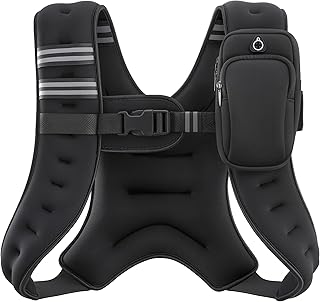
Adding a ZELUS Weighted Vest to your training can help you track strength progression more effectively. As you get fitter, you can increase the vest weight from 6 lb up to 30 lb. This gives you a clear performance metric that shows your fitness level is rising even when the scale is not moving.
How You Feel and Sleep Quality
Your energy levels, mood, and sleep quality are underrated progress indicators. When your nutrition and training are dialed in, your sleep deepens, your recovery improves, and your energy stays stable throughout the day.
Track your sleep duration and quality, your morning energy, and your recovery between workouts. These are signs that your body is becoming healthier, which is the ultimate goal.
The Role of Smart Supplementation
While tracking the right metrics is essential, some men find that targeted supplements support their weight loss efforts. These tools are not magic solutions, but they can help with metabolism, appetite control, and energy.

Nature's Bounty Chromium Picolinate supports fat, protein, and sugar metabolism. Chromium helps your body use carbohydrates more efficiently, which can stabilize energy levels and reduce cravings. At $7.49 for 50 tablets with a 4.5-star rating from over 8,600 reviews, it is an affordable addition to your nutrition plan.

For men who prefer a convenient and tasty option, OLLY Metabolism Gummy Rings combine apple cider vinegar, vitamin B12, and chromium. These gummies support digestive health and energy metabolism. With a 4.3-star rating and over 7,100 reviews, they are a popular choice for those who struggle with pill supplements.

alli Weight Loss Diet Pills contain orlistat, a non-prescription weight loss aid that blocks the absorption of some dietary fat. This is a more serious tool for men who have a significant amount of weight to lose and need additional support. Priced at $65.99 for 120 capsules with a 4.2-star rating and over 28,600 reviews, it is one of the most researched over-the-counter weight loss options available.
Comparison of Top Weight Loss Tools
Here is a quick comparison of the products discussed above to help you choose what fits your goals.
| Product | Price | Rating | Key Features | Buy at Amazon |
|---|---|---|---|---|
| ZELUS Weighted Vest | $28.98 | 4.6 | Adjustable 6-30 lb, reflective stripe, strength training | |
| Nature's Bounty Chromium Picolinate | $7.49 | 4.5 | 800 mcg, 50 tablets, supports metabolism | |
| OLLY Metabolism Gummy Rings | $16.97 | 4.3 | Apple cider vinegar, B12, chromium, 30 gummies | |
| alli Weight Loss Diet Pills | $65.99 | 4.2 | Orlistat 60 mg, 120 capsules, blocks dietary fat | |
Consistency Over Perfection
The real secret to lasting progress is not finding the perfect supplement or the most precise tracking method. It is consistency. Men who succeed at weight loss and body recomposition do not obsess over daily numbers. They build habits that work over months and years.
Building the Habit of Accurate Tracking
Choose one or two tracking methods that feel sustainable for you. Measure your waist once per week. Take progress photos every two weeks. Write down your top three lifts each workout.
Do not change your methods every week. Consistency in how you measure matters more than which method you use. Stick with the same tape measure, the same camera angle, and the same time of day for photos.
Weekly vs Daily Weigh-Ins
If you do want to use a scale, limit it to once per week. Weigh yourself on the same day, at the same time, under the same conditions (for example, first thing Monday morning after using the bathroom). This gives you a more reliable trend without the daily noise.
Combining Multiple Metrics
The most powerful approach is to combine two or three of the metrics discussed here. Track your waist measurement, your progress photos, and your strength performance. When these all trend in the right direction, you know you are succeeding.
The scale becomes just one small piece of the picture instead of the whole story.
Conclusion
Men who transform their bodies do not let the scale dictate their confidence. They use measurements that matter: waist circumference, progress photos, how their clothes fit, and how much stronger they are getting week after week.
Your weight loss journey is about building a healthier, stronger, more capable body. That kind of change takes time and the right kind of feedback. Step away from daily weigh-ins and embrace the metrics that show you the full truth.
Track what matters. Stay consistent. Let your real progress speak for itself.
Frequently Asked Questions
Why does my weight fluctuate so much day to day?
Your daily weight can swing by 2 to 5 pounds due to water retention, glycogen storage, sodium intake, digestion, and hormonal changes. These fluctuations are normal and do not reflect fat loss or gain.
How often should I take progress photos?
Take progress photos every two to four weeks. Use the same lighting, clothing, and poses each time. This gives you enough time to see real changes.
What is the most important measurement for men?
Waist circumference is one of the most reliable indicators of fat loss. A shrinking waist while weight stays the same or increases usually means you are losing fat and gaining muscle.
Can I track progress without a scale?
Absolutely. Many men find they make better progress when they ditch the daily scale. Use body measurements, progress photos, clothing fit, and strength performance as your primary metrics.
Are weight loss supplements necessary for results?
No. Supplements can support your efforts but are not required. Focus on nutrition, training, sleep, and stress management first. If you choose to add supplements, use them as tools, not replacements for good habits.