
Sleep is often the missing piece in the weight loss puzzle. You’ve dialed in your diet, you’re hitting the gym—yet the scale barely moves. Worse, those 10 p.m. cravings hit like clockwork. The culprit? Poor sleep quality. When sleep suffers, your hunger hormones go haywire, and your willpower takes a nosedive. The good news is that improving your sleep can naturally reduce overeating, making weight loss feel effortless.
In this guide, we’ll explore the science behind sleep and appetite, practical steps to upgrade your rest, and effective tools—including Phendimetrazine, Zepbound, and Contrave—that can support your weight loss journey when combined with quality sleep. Let’s dive in.
Table of Contents
The Sleep-Overeating Connection: What Science Says
Your body runs on a delicate balance of hormones. Two key players in appetite control are ghrelin (the “hunger hormone”) and leptin (the “fullness hormone”). When you’re sleep-deprived, ghrelin levels spike and leptin levels plunge. The result? You feel hungrier than usual, and you don’t get the signal to stop eating.
Research shows that people who sleep fewer than six hours per night consume, on average, 300–500 extra calories the next day. That’s enough to sabotage any diet. Poor sleep also increases cravings for high-carb, high-sugar foods. Your brain’s reward centers light up more intensely when you’re tired, making a slice of cake nearly irresistible.
But it’s not just hormones. Lack of sleep ramps up cortisol, the stress hormone, which encourages fat storage—especially around your belly. Over time, this cycle fuels weight gain and makes it harder to lose fat.
5 Practical Ways to Improve Sleep Quality for Weight Loss
You don’t need a complete lifestyle overhaul. Small, consistent changes can dramatically improve your sleep and curb overeating. Try these evidence-based strategies:
- Set a consistent sleep schedule. Go to bed and wake up at the same time every day—even weekends. This anchors your body’s internal clock and improves sleep efficiency.
- Create a wind-down routine. Dim lights, put away screens (blue light suppresses melatonin), and do something relaxing like reading or gentle stretching for 30 minutes before bed.
- Watch what you eat and drink. Avoid large meals, caffeine, and alcohol within 2–3 hours of bedtime. These disrupt sleep architecture and trigger midnight hunger.
- Keep your bedroom cool and dark. A temperature around 65°F (18°C) helps your body drop its core temperature, which is essential for deep sleep.
- Manage stress before bed. Journaling or deep breathing for five minutes can lower cortisol levels, helping you fall asleep faster and stay asleep longer.
The Hidden Role of Supplements and Devices
Even with perfect habits, some people need extra support to regulate appetite and metabolism. That’s where targeted supplements and tools come in. Below are products that can complement your sleep optimization efforts—always talk to your doctor before starting anything new.

Phendimetrazine is a prescription appetite suppressant often used for short-term weight loss. It works by affecting the central nervous system to reduce hunger, making it easier to stick to smaller portions when you’re well-rested.

Zepbound (tirzepatide) is a newer injectable medication for weight management. It mimics natural hormones that regulate appetite and blood sugar. When combined with good sleep, it can help you feel full on fewer calories.

Contrave is a prescription pill that combines bupropion and naltrexone to curb cravings and emotional eating. Since sleep deprivation often triggers stress eating, Contrave can be a useful tool—but only under medical supervision.
Nature’s Bounty Chromium Picolinate (800 mcg) supports healthy metabolism of fats, proteins, and carbs. Chromium can help stabilize blood sugar, reducing energy crashes that lead to overeating. Pair it with sound sleep for balanced appetite control.

OLLY Metabolism Gummy Rings deliver apple cider vinegar, vitamin B12, and chromium in a tasty gummy. They’re designed to support energy and digestion—perfect for mornings after a great night’s sleep.

Premium Liquid Collagen combines collagen with hyaluronic acid, biotin, L-carnitine, and apple cider vinegar. The added L-carnitine may help your body use fat for energy, and better sleep supports collagen production for skin and joint health.

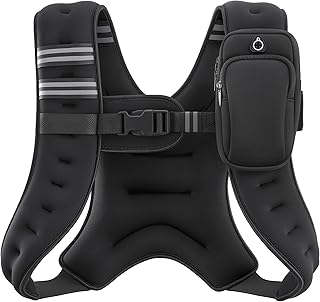
ZELUS Weighted Vest isn’t a supplement—it’s a training tool. Wearing a weighted vest during daily walks or strength workouts can boost calorie burn and improve sleep quality by promoting deeper physical tiredness.
Purely Inspired 7-Day Detox Cleanse uses senna leaf, apple cider vinegar, and probiotics to support digestion. While not a sleep aid, reducing bloating can help you sleep more comfortably.

Thermogenic Fat Burner Brazilian Lean is a thermogenic supplement that may increase metabolism slightly. Use it carefully—caffeine in thermogenics can disrupt sleep if taken late in the day.

Quick Comparison of Top Picks
| Product | Price | Key Benefit | Buy at Amazon |
|---|---|---|---|
|
$4.00 | Prescription appetite suppressant | Buy |
|
$25.00 | Weekly injection for appetite & blood sugar | Buy |
|
$50.00 | Prescription craving reducer | Buy |
|
$7.49 | Supports fat & sugar metabolism | Buy |
|
$16.97 | ACV + chromium in gummy form | Buy |
How to Build a Sleep-First Weight Loss Routine
Step 1: Audit your sleep hygiene. Track your sleep for a week. Notice patterns—do you eat late? Use screens before bed? Identify one or two changes to make.
Step 2: Prioritize 7–9 hours. Set a bedtime that allows for that window. If you’re used to 6 hours, start by going to bed 15 minutes earlier each night.
Step 3: Time your last meal. Finish eating at least 3 hours before you sleep. This gives your body time to digest and prevents blood sugar spikes that can wake you up.
Step 4: Use movement wisely. Exercise improves sleep, but avoid intense workouts within 2 hours of bedtime. A weighted vest walk during the day, like the ZELUS Weighted Vest, can help tire your body out naturally.
Step 5: Consider adding a supplement. If you struggle with evening cravings, discuss options like Contrave or Phendimetrazine with your doctor. For general metabolism support, Nature’s Bounty Chromium Picolinate or OLLY Metabolism Gummy Rings are gentle choices.
Frequently Asked Questions
Why does poor sleep cause overeating?
Poor sleep disrupts the balance of ghrelin and leptin, your hunger and fullness hormones. It also increases cortisol and lowers willpower, making you more likely to reach for calorie-dense, high-sugar foods.
Can improving sleep quality alone lead to weight loss?
Yes, but it’s most effective when combined with a balanced diet and regular exercise. Better sleep helps you make healthier food choices and gives you energy to move more.
Are prescription weight loss pills safe with sleep changes?
Prescription medications like Zepbound and Contrave should only be used under a doctor’s supervision. They can be effective when lifestyle changes alone aren’t enough, but they don’t replace good sleep hygiene.
How long does it take to see results from better sleep?
Many people notice fewer cravings within a few days. Full benefits for weight loss—like reduced belly fat and improved metabolism—typically appear after 2–4 weeks of consistent good sleep.
Your Next Step
Improving sleep quality is one of the most powerful steps you can take to reduce overeating and reach your weight loss goals. Start with one small change tonight, and let the domino effect work in your favor. And remember, you don’t have to go it alone—supportive tools like alli Weight Loss Diet Pills or Purely Inspired 7-Day Detox can give you an extra edge when paired with restorative sleep. Sleep well, eat wisely, and watch your body transform.