
You’ve tried every diet and workout plan, but the scale barely budges. What if the missing piece is something you do every night and morning anyway?
Sleep isn’t just rest. It’s a powerful metabolic tool. The timing of your bedtime and wake-up call can directly influence how your body burns fat, manages hunger, and stores energy. Let’s explore the science-backed strategies that turn your sleep schedule into a weight loss ally.
Table of Contents
Why Sleep Timing Matters for Weight Loss
Your body operates on a 24-hour internal clock called the circadian rhythm. This rhythm regulates everything from hormone release to digestion and fat oxidation.
When you sleep and wake at inconsistent times, you disrupt this rhythm. The result? Your body produces more cortisol (the stress hormone) and less growth hormone, both of which can trigger fat storage, especially around your belly.
Your body also becomes less sensitive to insulin, meaning it struggles to process carbohydrates efficiently. Over time, this metabolic chaos makes weight loss an uphill battle.
The Circadian Rhythm and Fat Burning
Your circadian rhythm doesn’t just tell you when to feel sleepy. It programs your cells to burn fat at specific times.
During deep sleep, your body releases human growth hormone (HGH), which is essential for fat metabolism and muscle repair. A consistent bedtime ensures you get enough deep sleep for this process.
Morning light exposure, on the other hand, signals your body to reduce melatonin and increase cortisol slightly. This natural cortisol spike is healthy — it helps mobilize fat stores for energy during the day.
Bedtime Strategies for Weight Loss
1. Set a Fixed Bedtime — No Exceptions
Going to bed at the same time every night (yes, even weekends) anchors your circadian rhythm. This consistency improves sleep quality and keeps your hunger hormones — ghrelin and leptin — balanced.
Aim for 7 to 9 hours of sleep per night. Calculate your bedtime backward from your wake-up time.
2. Create a Wind-Down Ritual
A relaxing pre-sleep routine signals your nervous system to shift into rest-and-digest mode. This lowers cortisol levels.
Good wind-down activities include:
- Reading a physical book (not a phone)
- Gentle stretching or foam rolling
- A warm bath or shower
- Journaling to clear your mind
Avoid screens for at least 60 minutes before bed. Blue light suppresses melatonin production, making it harder to fall asleep and reducing fat-burning deep sleep.
3. Keep Your Bedroom Cool and Dark
Your body temperature naturally drops as you prepare for sleep. A cool room (around 65–68°F or 18–20°C) supports this process.
Darkness is equally important. Even small light sources from electronics can disrupt melatonin secretion. Use blackout curtains and cover any LED lights.
4. Stop Eating at Least 3 Hours Before Bed
Late-night eating messes with your blood sugar and insulin levels. Your body needs a fasting period overnight to shift into fat-burning mode.
If you must have something, choose a small protein-based snack like a handful of almonds. Avoid carbs and sugar before bed.
Wake Time Strategies for Weight Loss
1. Wake Up at the Same Time Daily
Consistency matters just as much in the morning. A regular wake-up time reinforces your circadian rhythm and helps regulate appetite.
Even if you had a poor night’s sleep, resist the urge to sleep in. The extra hour won’t compensate for the disruption to your clock.
2. Get Morning Sunlight Immediately
Morning light exposure is the single most effective way to set your internal clock. It tells your body to stop producing melatonin and start producing serotonin.
Spend 10–15 minutes outside (without sunglasses) within an hour of waking. This improves your mood, energy, and insulin sensitivity throughout the day.
3. Move Your Body First Thing
Morning exercise can boost your metabolism for hours. It also increases fat oxidation, meaning you burn more fat for fuel.
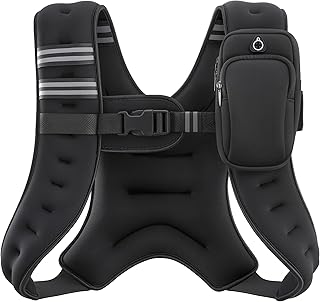
You don’t need a full workout. A brisk 15-minute walk or some light yoga works wonders. For those wanting to intensify their morning routine, consider adding a ZELUS Weighted Vest to your walk or bodyweight exercises. This affordable vest (4.6 stars, $28.98) adds resistance without bulky equipment.
4. Hydrate and Eat a Protein-Packed Breakfast
After hours of sleep, your body is dehydrated. Water first, then a breakfast rich in protein (20–30g) helps control cravings later in the day.
Add supplements that support metabolism naturally. Nature's Bounty Chromium Picolinate (4.5 stars, $7.49) helps your body metabolize fats, proteins, and carbohydrates more efficiently.

For a tastier option, OLLY Metabolism Gummy Rings (4.3 stars, $16.97) combine apple cider vinegar, vitamin B12, and chromium to support energy and digestion.

Product Comparison Table
| Product | Price | Rating | Key Feature | Buy at Amazon |
|---|---|---|---|---|
|
$28.98 | 4.6 | Adds resistance for morning workouts | Shop Now |
|
$7.49 | 4.5 | Supports fat, protein & sugar metabolism | Shop Now |
|
$16.97 | 4.3 | Chewable ACV + B12 + chromium | Shop Now |
 |
$65.99 | 4.2 | Blocks dietary fat absorption | Shop Now |
 |
$9.99 | 4.1 | Targets bloating and thermogenesis | Shop Now |
Additional Tips for Maximum Results
Track Your Sleep with a Simple Journal
Write down your bedtime, wake time, and how you feel each morning. Within a week, you’ll see patterns linking your sleep habits to cravings and energy.
Use Light to Your Advantage
In winter months, a dawn simulator alarm clock can mimic sunrise and help you wake up naturally. This reduces morning grogginess and supports your circadian rhythm.
Consider Professional Support
For some, stubborn weight requires medical intervention. Prescription options like Phendimetrazine ($4.00) and Contrave ($50.00) can help regulate appetite under a doctor’s supervision. Zepbound ($25.00) is another option for those with specific metabolic needs.


Always consult a healthcare provider before starting any medication or supplement.
FAQ
How many hours of sleep do I need for weight loss?
Most adults need 7 to 9 hours of quality sleep per night to support optimal fat burning and hormone balance.
Can I lose weight just by fixing my sleep schedule?
Sleep alone won't cause weight loss, but it creates the metabolic environment for diet and exercise to work effectively. Poor sleep sabotages your best efforts.
Is it bad to eat late at night if I'm hungry?
It's best to stop eating 3 hours before bed. If absolutely necessary, choose a small protein snack. Avoid sugar and refined carbs.
Will morning exercise on an empty stomach burn more fat?
Yes, fasted morning exercise can increase fat oxidation. However, the difference is small. The most important thing is that you exercise consistently.
What’s the ideal wake-up time for weight loss?
There's no magic hour. The key is waking at the same time every day and getting morning sunlight within an hour of rising.
Final Thoughts
Weight loss isn't just about what you eat or how much you move. It's about when you rest and when you rise. Your bedtime and wake time are two levers you can pull today to improve your metabolism, balance your hormones, and make every healthier choice more effective.
Start small. Pick one bedtime strategy and one wake time strategy. Stick with them for two weeks. You'll likely notice better energy, fewer cravings, and a lighter feeling — before the scale even changes.
Disclosure: As an Amazon Associate, we earn from qualifying purchases. This helps us continue providing free, high-quality content.