
Intermittent fasting has taken the wellness world by storm. It's praised for its ability to accelerate fat loss, improve metabolic health, and simplify your daily routine. But a nagging question lingers for anyone serious about their physique: will skipping meals cost me my hard-earned muscle?
The short answer is yes — intermittent fasting can lead to muscle loss if done carelessly. But the good news is that with the right strategies, you can preserve — and even build — lean mass while enjoying the benefits of fasting. This guide breaks down the science and gives you a practical roadmap to protect your muscles.

Table of Contents
Understanding the Muscle Loss Concern in Intermittent Fasting
When you fast, your body depletes its glycogen stores and shifts into fat-burning mode. That sounds great for weight loss. But your body is also smart — it will break down muscle tissue for energy if it feels starved of amino acids.
The real risk lies in prolonged fasting windows without adequate protein intake during your eating window. If you're not strategic, your body may catabolize muscle protein to meet its needs.
- Fasting duration matters: Short fasts (12–16 hours) have minimal muscle impact.
- Calorie deficits matter: Extreme deficits accelerate muscle breakdown.
- Protein timing matters: Spreading protein intake across your eating window reduces catabolism.
What the Science Says: Does Fasting Actually Burn Muscle?
Research paints a more nuanced picture than the fear-mongering headlines. Several studies show that intermittent fasting, when combined with resistance training, can preserve lean mass just as effectively as standard dieting.
A 2016 review in the Journal of Translational Medicine found that intermittent fasting protocols led to comparable or even superior fat loss compared to continuous calorie restriction, with no significant difference in muscle loss.
However, the devil is in the details. Participants who lost muscle during fasting typically had one thing in common: they didn't prioritize protein or strength training.
Key takeaway: Fasting itself doesn't automatically burn muscle. It's your diet and exercise habits during your eating window that determine the outcome.
Key Factors That Influence Muscle Retention During Fasting
Understanding these factors gives you control over your body composition:
| Factor | Impact on Muscle | What to Do |
|---|---|---|
| Fasting window length | Longer fasts increase catabolic risk | Stick to 16:8 or 14:10 if muscle is a priority |
| Daily protein intake | Directly determines muscle protein synthesis | Aim for 1.6–2.2 g per kg of body weight |
| Training timing | Exercising in a fasted state may increase breakdown | Lift in your feeding window or break fast post-workout |
| Sleep quality | Poor sleep elevates cortisol, a catabolic hormone | Prioritize 7–9 hours of quality sleep |
| Stress management | Chronic stress raises cortisol and promotes muscle loss | Include meditation, walks, or breathwork |
How to Protect Your Lean Mass While Intermittent Fasting
Prioritize Protein Intake
This is non-negotiable. During your eating window, you need to consume enough high-quality protein to stimulate muscle protein synthesis. Spread it across 2–3 meals to maximize the anabolic response.
Lean sources like chicken, fish, eggs, tofu, and quality supplements work best.

A supplement like Nature's Bounty Chromium Picolinate can support your metabolism during fasting periods by helping your body efficiently process carbohydrates and proteins.
Strength Train in a Fed State
If possible, schedule your workouts during or just before your eating window. Training with glycogen available gives you more energy, better performance, and a stronger anabolic signal.
If you must work out fasted, keep the session shorter and less intense. Follow it immediately with a protein-rich meal.
Time Your Nutrients Strategically
Your post-workout meal is the most important of the day when fasting. It should contain 30–40 grams of protein and some carbohydrates to replenish glycogen and trigger muscle repair.
Consider breaking your fast with a balanced meal rather than diving straight into a huge calorie surplus.
Consider Supportive Supplements
Quality supplements can fill gaps in your nutrition and support muscle preservation.
Premium Liquid Collagen provides hydrolyzed collagen peptides, hyaluronic acid, and L-carnitine — all of which support muscle recovery, joint health, and metabolic function during fasting.
Best Amazon Products to Support Muscle Preservation During Fasting
Here's a comparison of top-rated products that can help you protect lean mass while fasting for weight loss.
| Product | Image | Key Benefits | Price | Rating | Buy at Amazon |
|---|---|---|---|---|---|
| Premium Liquid Collagen | |
Collagen, hyaluronic acid, L-carnitine, biotin | $26.95 | 4.4 | Buy Now |
| Nature's Bounty Chromium Picolinate | |
Supports fat, protein & sugar metabolism | $7.49 | 4.5 | Buy Now |
| OLLY Metabolism Gummy Rings | 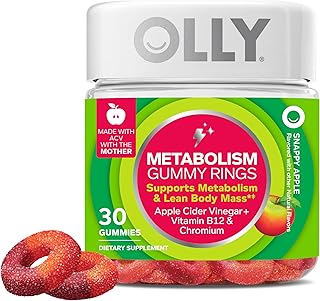 |
Apple cider vinegar, vitamin B12, chromium | $16.97 | 4.3 | Buy Now |
| ZELUS Weighted Vest | 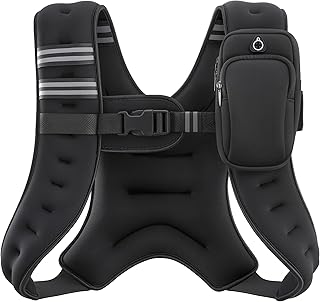 |
6-30 lb options, strength training, muscle building | $28.98 | 4.6 | Buy Now |
| Purely Inspired 7-Day Detox Cleanse |  |
Senna leaf, vitamin C, apple cider vinegar, enzymes | $9.99 | 4.2 | Buy Now |
| Thermogenic Fat Burner Brazilian Lean |  |
Thermogenic fat burner, waist trimmer, bloating support | $9.99 | 4.1 | Buy Now |
The ZELUS Weighted Vest is especially valuable for adding resistance to bodyweight exercises during your fasting window, helping you maintain muscle stimulation without heavy gym equipment.
Common Mistakes That Accelerate Muscle Loss on Fasting Days
Avoid these pitfalls if you want to keep your lean mass:
- Skipping protein on fasting days: Even on shorter eating windows, protein must be a priority.
- Overdoing cardio while fasted: Excessive steady-state cardio can elevate cortisol and increase muscle breakdown.
- Ignoring sleep: Poor sleep spikes cortisol and reduces growth hormone — a recipe for muscle loss.
- Drastically cutting calories: A deficit of more than 20–25% of maintenance calories will likely cost you muscle.
- Not adjusting your training: Trying to hit PRs in a deep fasted state often backfires.
Final Verdict: Is Intermittent Fasting Safe for Your Muscles?
Yes, intermittent fasting is safe for your muscles — when done correctly. The key is to pair short to moderate fasting windows with adequate protein, strategic nutrient timing, and consistent resistance training.
Weight loss is the goal, but preserving lean mass is what keeps your metabolism high, your body strong, and your results lasting. Don't let fear of muscle loss stop you from trying intermittent fasting. Instead, arm yourself with the knowledge and tools to thrive.
Listen to your body, prioritize protein, lift heavy, and use quality supplements to support your journey. Your muscles will thank you.
Frequently Asked Questions (FAQ)
Q1: Does intermittent fasting burn muscle or fat first?
Intermittent fasting primarily burns stored fat for energy once glycogen is depleted. Muscle loss only becomes a concern when protein intake is insufficient or fasting windows are excessively long without proper nutrition.
Q2: How much protein should I eat while intermittent fasting to protect muscle?
Aim for 1.6 to 2.2 grams of protein per kilogram of body weight. Distribute this evenly across your meals during your eating window to maximize muscle protein synthesis.
Q3: Should I exercise fasted or fed to preserve muscle?
Exercising in a fed state (during or just before your eating window) is generally better for muscle preservation. Fasted workouts can work, but keep them shorter and follow with a protein-rich meal.
Q4: What is the best intermittent fasting schedule for muscle preservation?
The 16:8 schedule (16 hours fasting, 8 hours eating) is ideal for most people. It provides enough fasting time for metabolic benefits while allowing adequate protein and calorie intake.
Q5: Can I build muscle while intermittent fasting?
Yes, you can build muscle while intermittent fasting, as long as you consume enough protein and calories, and follow a progressive resistance training program during your feeding window.
Q6: Are there any supplements that help prevent muscle loss during fasting?
Yes. Premium Liquid Collagen, Nature's Bounty Chromium Picolinate, and OLLY Metabolism Gummy Rings can support metabolism and recovery. A ZELUS Weighted Vest also helps maintain strength training intensity.
Q7: What happens to muscle if I fast for 24 hours or more?
Extended fasts beyond 24 hours significantly increase the risk of muscle protein breakdown. For muscle preservation, limit fasting windows to 16–18 hours and prioritize protein intake.