
You’ve heard it a thousand times: “Eat protein within 30 minutes of your workout or you’ll lose all your gains.” Or maybe you’ve been told that you must eat protein every three hours to keep your metabolism blazing. These protein timing myths have been circulating for years — and they’ve sent countless dieters chasing the wrong strategy.
The truth? While supplements like Thermogenic Fat Burner Brazilian Lean can give your metabolism a slight edge, real fat loss comes down to total daily protein intake, satiety, and consistent habits — not the clock. Let’s break down what science says and what actually works for shedding pounds.

Table of Contents
The Myth of the Anabolic Window
The “anabolic window” theory suggests you have a narrow window (30–60 minutes) post-workout to consume protein for maximum muscle growth. This myth has been largely debunked by modern research. While timing does matter for elite athletes training twice a day, for the average person trying to lose fat, total daily protein matters far more.
Studies show that muscle protein synthesis remains elevated for at least 24 hours after resistance training. So as long as you hit your daily protein target (around 1.6–2.2 g per kg of body weight), you’re good. You don’t need to chug a shake the second you put down the dumbbell.
Does Eating Protein Every 3 Hours Boost Metabolism?
Another popular belief: eating small, frequent protein meals stokes your metabolic fire. The thermic effect of food (TEF) is real — protein requires about 20–30% of its calories just to digest, compared to 5–10% for carbs and fats. But spreading that protein across six meals vs. three doesn’t increase your 24-hour energy expenditure.
What matters is the total amount of protein you eat, not how often you eat it. In fact, some research suggests that larger, less frequent protein doses may be more satiating. So if eating three solid meals works for your schedule, don’t force yourself to snack every few hours.
The Real Factors for Fat Loss with Protein
Let’s strip away the noise. Here’s what actually drives fat loss when you prioritize protein:
- Total intake drives satiety – High protein reduces hunger hormones like ghrelin and increases GLP-1, keeping you full longer.
- Thermic effect burns extra calories – Protein digestion costs energy, so a high-protein diet naturally increases daily calorie burn by 80–100 calories.
- Muscle preservation prevents metabolic slowdown – During a calorie deficit, adequate protein helps retain lean mass, which keeps your resting metabolism higher.
- Cravings reduction – Protein stabilizes blood sugar and reduces binge urges, making it easier to stick to your deficit.
How Protein Aids Satiety and Reduces Cravings
Protein is the most satiating macronutrient. A high-protein breakfast, for example, can slash cravings by 60% later in the day. This is huge for fat loss because the real battle is often against hunger.
Supplements like Nature’s Bounty Chromium Picolinate can support this process. Chromium helps regulate blood sugar and may reduce carbohydrate cravings, working synergistically with a protein-rich diet.

Benefits of Chromium for weight loss:
- Improves insulin sensitivity
- Reduces sugar cravings
- Supports macronutrient metabolism
Pairing chromium with a high-protein eating pattern gives you a powerful one-two punch against appetite.
Practical Protein Strategies for Weight Loss
Forget the myths. Here’s a science-backed approach:
- Aim for 1.6–2.2 g of protein per kg of body weight daily (about 0.7–1 g per pound).
- Distribute protein across 3–4 meals — no need for 6 mini-meals.
- Prioritize whole food sources (chicken, eggs, fish, tofu, Greek yogurt).
- Use supplements strategically — whey or plant protein powders can help you hit your target without extra calories.
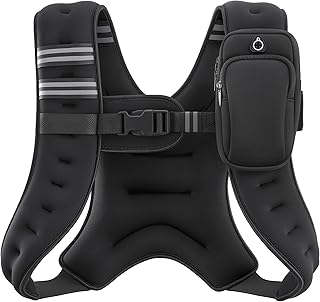
A product like ZELUS Weighted Vest can also boost your workout intensity, helping you burn more calories and preserve muscle while your body taps into fat stores.
Supporting Supplements: What Actually Helps?
Several scientifically-backed supplements can complement a high-protein diet for fat loss. Below is a comparison of some popular options to help you decide.
| Product | Image | Price | Key Benefits | Buy at Amazon |
|---|---|---|---|---|
| alli Weight Loss Pills |  |
$65.99 | Blocks dietary fat absorption, FDA-approved | Buy Now |
| OLLY Metabolism Gummy Rings | 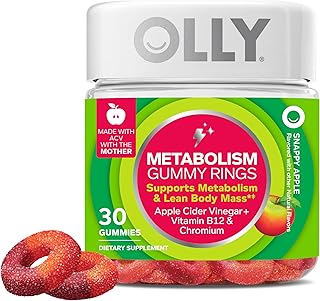 |
$16.97 | Apple cider vinegar + Vitamin B12 + Chromium, supports energy metabolism | Buy Now |
| Premium Liquid Collagen for Weight Loss |  |
$26.95 | Collagen protein + L-Carnitine + Apple Cider Vinegar, supports fat metabolism & beauty | Buy Now |
| Purely Inspired 7-Day Detox Cleanse |  |
$9.99 | Senna leaf + probiotics, short-term cleanse for water weight | Buy Now |
Note: Not all supplements are equal. Alli (orlistat) is FDA-approved and blocks fat absorption, while OLLY Metabolism Gummies and Premium Liquid Collagen provide metabolic support through vitamins and amino acids. Always consult a healthcare provider before starting any supplement.
Conclusion
Protein timing myths have distracted dieters for too long. Focus on total daily protein, not the clock. Prioritize satiety and muscle preservation — those are the true levers for lasting fat loss.
Supplements like Thermogenic Fat Burner Brazilian Lean can give a small boost, but they work best when your protein intake is dialed in. Pair high-protein meals with smart choices like chromium or metabolism-supporting gummies, and remember: consistency beats precision every time.
Frequently Asked Questions
Do I need to eat protein immediately after a workout?
No. For most people, hitting your daily protein target is far more important than the exact post-workout timing. The anabolic window is wider than often claimed — up to several hours.
How much protein should I eat per day for fat loss?
Aim for 1.6–2.2 grams of protein per kilogram of body weight (0.7–1 g per pound). This range supports satiety, muscle retention, and metabolic rate.
Can protein timing help me lose more belly fat?
Spot reduction is a myth. Protein timing doesn’t target belly fat, but a high-protein diet helps overall fat loss by reducing appetite and preserving muscle.
Are weight loss supplements like alli safe?
Orlistat (alli) is FDA-approved and considered safe for most people when used as directed. However, it can cause digestive side effects. Always consult your doctor.
What about detox cleanses for weight loss?
Products like Purely Inspired 7-Day Detox may help with temporary water weight but are not a long-term solution. Real fat loss comes from sustained nutritional habits.