
Losing weight isn’t just about counting calories or hitting the gym—it starts in your head. The real battle is psychological. Building a weight loss mindset that sticks means rewiring your beliefs, habits, and emotional triggers. Without that mental foundation, even the best diet or supplement routine will crumble.
Let’s dive into the psychology of lasting change and uncover practical steps to create a mindset that carries you through setbacks, plateaus, and the inevitable Monday morning temptations. Whether you’re using tools like alli Weight Loss Diet Pills or a ZELUS Weighted Vest, your mental game is the secret sauce.
Table of Contents
What Is a Weight Loss Mindset?
A weight loss mindset is the set of beliefs, attitudes, and mental habits that drive your decisions about food, exercise, and self-care. It’s not about being “perfect” or “motivated” 24/7. Instead, it’s about resilience, self-compassion, and a long-term perspective.
Key characteristics:
- You see progress as a journey, not a destination.
- You forgive slip-ups and learn from them.
- You prioritize health over quick fixes.
- You trust yourself to make better choices over time.
The Psychology of Sustainable Change
Why do most diets fail? Because they ignore the brain. Your brain is wired to resist change and seek immediate rewards. To build a mindset that sticks, you need to understand three psychological principles:
1. Identity-Based Habits
Instead of saying “I’m trying to lose weight,” say “I am a healthy person.” When your identity aligns with your goal, your behaviors follow naturally. Each small action reinforces the new identity.
2. Intrinsic Motivation
External rewards (like a scale number) fade. But internal rewards—feeling energetic, proud, or in control—last. Tap into how you want to feel, not just how you want to look.
3. The 1% Rule
Small, consistent improvements compound over time. Focus on being 1% better today than yesterday. This reduces overwhelm and builds momentum.
5 Key Mindset Shifts to Make Right Now
Shift your thinking with these transformations:
- From all-or-nothing to something-is-better-than-nothing. A 10-minute walk beats skipping a workout entirely.
- From perfectionism to progress tracking. Celebrate losing one pound, not just the final goal.
- From punishment to self-care. Exercise isn’t penance—it’s a gift to your body.
- From scarcity to abundance. You can enjoy treats mindfully without bingeing.
- From comparison to personal growth. Your journey is unique. Stop comparing to influencers or friends.
Practical Steps to Build Your Weight Loss Mindset
Now let’s turn theory into action. Here’s a daily framework to strengthen your mental muscles:
Step 1: Set Non-Scale Victories (NSVs)
Write down three wins unrelated to the scale—better sleep, more energy, clothes fitting looser, or completing a workout. Review them every morning.
Step 2: Practice the Pause
When a craving hits, pause for 60 seconds. Ask yourself: “Am I hungry, bored, stressed, or tired?” This simple check disrupts autopilot eating.
Step 3: Use Affirmations That Work
Swap “I hate my body” for “I am grateful for my body’s strength.” Repeat during your morning routine or while using supplements like Nature’s Bounty Chromium Picolinate to support metabolism.
Step 4: Reframe Setbacks as Data
If you overeat, don’t shame yourself. Analyze: What triggered it? What could you do differently next time? Treat it as a learning experiment.
Step 5: Build a Supportive Environment
Remove junk food from your home. Put your OLLY Metabolism Gummy Rings on the counter as a visual cue. Surround yourself with people who encourage your growth.
Tools to Support Your Mindset Journey
While mindset is king, the right tools can reinforce your habits. Here are products that align with a sustainable weight loss approach:
| Product | Price | Rating | Key Benefit | Buy at Amazon |
|---|---|---|---|---|
 alli Weight Loss Diet Pills alli Weight Loss Diet Pills |
$65.99 | 4.2 | Blocks fat absorption | Buy now |
 Nature's Bounty Chromium Picolinate Nature's Bounty Chromium Picolinate |
$7.49 | 4.5 | Supports sugar metabolism | Buy now |
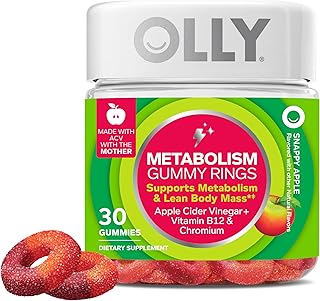 OLLY Metabolism Gummy Rings OLLY Metabolism Gummy Rings |
$16.97 | 4.3 | Convenient ACV + B12 | Buy now |
 Premium Liquid Collagen Premium Liquid Collagen |
$26.95 | 4.4 | Collagen + L-Carnitine for metabolism | Buy now |
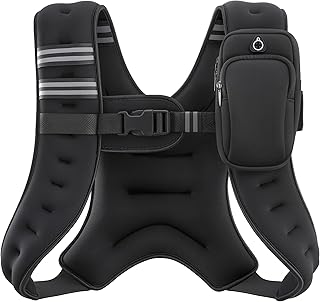 ZELUS Weighted Vest ZELUS Weighted Vest |
$28.98 | 4.6 | Boosts workout intensity | Buy now |
 Purely Inspired 7-Day Detox Cleanse Purely Inspired 7-Day Detox Cleanse |
$9.99 | 4.2 | Supports digestive reset | Buy now |
 Thermogenic Fat Burner Brazilian Lean Thermogenic Fat Burner Brazilian Lean |
$9.99 | 4.1 | Thermogenic boost + bloating relief | Buy now |
 Phendimetrazine Phendimetrazine |
$4.00 | – | Prescription appetite suppressant | Buy now |
 Zepbound Zepbound |
$25.00 | – | Prescription weight loss injection | Buy now |
 Contrave Contrave |
$50.00 | – | Prescription combo pill | Buy now |
Note: Prescription products like Zepbound and Contrave require a doctor’s supervision. Always consult a healthcare professional before starting any new regimen.
Using tools like the ZELUS Weighted Vest during walks or the OLLY Metabolism Gummies as a daily habit can reinforce your mindset by making healthy actions easier and more enjoyable. But remember—these are support tools, not replacements for mental work.
FAQ: Building a Weight Loss Mindset
How long does it take to develop a weight loss mindset?
There’s no fixed timeline, but most people see real shifts after 3–4 weeks of consistent practice. The key is repetition—new neural pathways take time to solidify.
What if I keep falling back into old habits?
That’s normal. A growth mindset treats relapses as feedback, not failure. Ask: “What can I learn?” Then adjust and try again.
Can supplements really help with mindset?
Indirectly, yes. For example, stable blood sugar from Nature’s Bounty Chromium Picolinate can reduce cravings and mood swings, making it easier to stay on track. But they work best alongside mental strategies.
Do I need to be motivated every day?
No. Discipline matters more than motivation. Build routines that don’t rely on how you feel. Show up even on low-energy days.
How do I stay consistent when results are slow?
Focus on process goals (e.g., “I will walk 20 minutes today”) instead of outcome goals (“I will lose 10 pounds this month”). Small wins keep momentum high.
Final Takeaway
Your weight loss mindset is the most powerful tool in your arsenal. It turns fleeting motivation into lasting habits. Start small, forgive yourself, and celebrate every non-scale victory. Pair your mental game with smart tools like alli Weight Loss Pills or a ZELUS Weighted Vest—but never forget that the real transformation happens between your ears.
Build that mindset. The rest will follow.