
Saving money on groceries starts long before you walk through the store doors. The secret lies in two powerful tools: recipe generators that turn leftovers and pantry staples into meals, and smart shopping lists that keep you focused and on budget. When combined, these tools can slash your weekly food bill by 20–30% or more.
Whether you're feeding a family or cooking for one, learning how to use these digital assistants effectively transforms cheap weekly carts from a struggle into a simple, repeatable system. Let's dive into the exact strategies that top savers use every week.
Table of Contents
Why Meal Planning Tools Save You Real Money
The average household wastes over $1,500 per year on food that never gets eaten. Most of that waste comes from buying ingredients for a specific recipe, using half, and letting the rest rot in the fridge. Recipe generators solve this by suggesting meals based on what you already have.
Smart lists take this further by preventing impulse buys. When you walk into a store with a structured list generated from your meal plan, you buy exactly what you need—nothing more, nothing less. This combination is the foundation of any serious grocery budget.
Step-by-Step: Build Your Cheap Weekly Cart
1. Audit Your Pantry, Fridge, and Freezer
Open every cabinet and shelf. Write down what you already own: canned beans, half-used sauces, frozen vegetables, rice, pasta, and spices. This inventory becomes the fuel for your recipe generator.
Most people own enough ingredients to make 3–5 meals without buying anything new. Always start with what you have before planning new purchases.
2. Choose the Right Recipe Generator
Not all recipe generators are created equal. Look for tools that let you filter by:
- Ingredients you already have (input your pantry list)
- Dietary preferences (vegetarian, gluten-free, etc.)
- Cook time and difficulty
- Estimated cost per serving
Top free options include SuperCook, MyFridgeFood, and PlantYou. These tools scan your inputs and deliver recipes that use mostly what you already own, requiring only a few small purchases to complete the meal.
3. Generate Meals That Share Ingredients
When building your cheap weekly cart, ingredient overlap is everything. If one meal uses half a bag of spinach, plan another meal that uses the rest. Recipe generators often allow you to batch-plan, so you can see how ingredients carry across multiple meals.
For example, a single rotisserie chicken can become: chicken tacos, chicken soup, chicken salad sandwiches, and chicken fried rice. The generator helps you visualize these connections.
4. Convert Recipes into a Smart Shopping List
Once your meals are set, export them into a smart list tool. Many recipe generators include this feature, or you can use apps like AnyList, Paprika, or even a shared Google Keep list.
Smart lists auto-categorize items by store aisle, group similar products, and let you check off items as you shop. This speed and organization reduces the time you spend in-store—and time in the store equals money spent on impulse items.
5. Compare Prices Before You Buy
Before finalizing your cheap weekly cart, scan your list for high-cost items. Smart list apps often integrate with store pricing or let you manually compare unit prices. Replace expensive proteins with eggs, lentils, or canned tuna. Swap fresh herbs for dried. Choose frozen vegetables over fresh when the recipe allows.
Small swaps add up fast. A single swap from fresh berries to frozen can save $3–4 per week, and those savings compound across your entire list.
How Smart Lists Prevent Budget-Busting Mistakes
A smart list is more than a digital sticky note. The best tools let you:
| Feature | Benefit |
|---|---|
| Aisle sorting | Walk the store in a logical order, avoid backtracking |
| Price history tracking | Know if an item is actually on sale |
| Shared access | Family members can add items in real time |
| Meal plan integration | One-click list generation from your weekly menu |
| Barcode scanning | Quickly add repeat items with exact prices |
Using a smart list consistently trains you to become a more disciplined shopper. Over time, you'll naturally gravitate toward cheaper options because your list makes the cost visible before you commit.
Tools to Amplify Your Grocery Savings
Pairing your digital meal planning with physical savings tools creates a complete system. These tangible products help you track the cash you save each week and keep your budget top of mind.

The Wooden Money Saving Box (4.6 stars, $16.99) is a reusable cash vault that tracks savings goals up to $10,000. Place the money you save each week on groceries into this box. Watching the tracker fill up provides powerful motivation to stick with your cheap weekly cart system.

The 100 Envelopes Money Saving Challenge (4.7 stars, $8.99) is a binder-based system that helps you save $5,050 over time. Use it to stash the difference between your old grocery bill and your new, lower one. The envelope method makes savings tangible and rewarding.
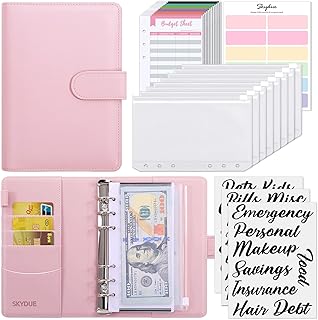
The SKYDUE Budget Binder (4.7 stars, $8.98) includes cash envelopes and expense sheets that keep your entire budget organized. Dedicate one envelope to groceries and watch your weekly spending stay locked in.
These tools reinforce the habits that make cheap weekly carts sustainable. When you see your savings grow physically, you're far less likely to abandon your system after a few weeks.
Recipe Generator Hacks for Maximum Savings
Use "Clean Out the Fridge" Mode
Most recipe generators have a mode that prioritizes using up what's about to spoil. Run this mode every Friday before your weekend shop. You'll often generate 2–3 meals from odds and ends you would have thrown away.
Set a Price Cap Per Serving
Some advanced generators let you set a maximum cost per serving. Aim for $2–3 per person per meal. If a recipe exceeds your cap, the tool automatically suggests cheaper substitutions.
Generate Bulk Cooking Plans
Cooking in batches is the fastest path to a cheap weekly cart. Use your generator to plan one big cook session (Sunday meal prep) that creates lunches and dinners for 3–4 days. This reduces the total number of ingredients you need and cuts cooking time in half.
Common Mistakes That Derail Cheap Weekly Carts
Buying without a list is the number one budget killer. Even if you've meal-planned perfectly, walking in without your list invites impulse purchases. Always check your smart list before leaving the house.
Ignoring unit prices is another trap. The biggest package isn't always the cheapest. Smart lists that show price per ounce or per serving help you make the right call every time.
Planning too many unique meals increases ingredient waste. Stick to 3–4 meals per week that share core ingredients. Your recipe generator can help you design a menu with maximum overlap.
Bringing It All Together
Building cheap weekly carts doesn't require extreme couponing or hours of prep. With a recipe generator to create meals from what you own, and a smart list to keep your purchases focused, you can cut your grocery bill by 25% or more starting this week.
Add a physical savings tool like the Wooden Money Saving Box or the 100 Envelopes Money Saving Challenge to track your progress, and you've built a system that keeps saving money simple, visual, and motivating.
Your cheap weekly cart is waiting. Start your pantry audit, fire up a recipe generator, and watch your grocery budget shrink while your meals stay satisfying.
Frequently Asked Questions
What is the best free recipe generator for saving money?
SuperCook and MyFridgeFood are excellent free options. Both let you input ingredients you already have and generate recipes that require minimal additional purchases.
How much can I save using a smart shopping list?
Most users report saving 15–25% on their weekly grocery bill within the first month. The savings come from reduced impulse buys, less food waste, and better use of pantry staples.
Can I use recipe generators for special diets on a budget?
Yes. Most generators support filters for vegetarian, vegan, gluten-free, and dairy-free preferences while still prioritizing low-cost ingredients. Lentils, beans, rice, and seasonal vegetables become your go-to staples.
How do I keep my family on board with cheap weekly carts?
Involve everyone in the recipe selection process. Let each family member pick one meal from the generator's suggestions. When people feel ownership over the menu, they're far less likely to complain about budget-friendly ingredients.
How often should I update my pantry inventory?
A full audit once per week—right before you generate your meal plan—is ideal. Over time, you'll memorize your staples and only need to check for soon-to-expire items.