
Household waste and recycling fees are creeping up across the country. Whether you pay a flat monthly rate or a per-can fee, understanding what drives those charges is the first step toward lowering them. Municipalities often bundle waste services with water or council fees, making it hard to see where your money goes. This article breaks down the common cost drivers and gives you actionable ways to shrink your waste-related bills.
From extra garbage pickups to inflated recycling surcharges, the fees can add up quickly. The good news? Many households can cut their waste costs by 20–40% with simple habit changes and the right savings tools. Let’s unpack the hidden costs and start saving.
Table of Contents
Common Drivers of Waste & Recycling Fees
1. Collection Frequency and Volume
Most waste services charge based on how often trucks visit and how much you throw away. A standard weekly pickup might cost $25–$35 per month, but extra cans or unscheduled bulky-item collections trigger additional fees. If your household regularly exceeds the bin limit, those overage charges can double your bill.
2. Special Waste Disposal Costs
Items like electronics, hazardous materials, and large furniture require separate handling. Many municipalities impose surcharges for curbside pickup of these items or charge higher rates at drop-off centers. Mattress recycling fees alone can add $20–$40 per item.
3. Recycling Program Charges
While recycling is often marketed as “free,” the cost is built into your overall waste fee. Contamination — when non‑recyclable items end up in the blue bin — forces facilities to spend extra on sorting, and those costs are passed to residents. Some cities now charge a penalty for excessive contamination.
4. Administrative and Franchise Fees
Private haulers often operate under municipal franchises that include administrative surcharges, franchise fees, and fuel adjustments. These “hidden” line items can account for 10–15% of your total waste bill. Check your invoice for terms like “environmental fee” or “regulatory cost recovery.”
5. Frequency of Missed Pickups and Call-Outs
If you miss a collection day or need a special pickup, there’s often a fee. Scheduling a one-time extra pickup can cost $15–$30, and repeated missed collections may trigger penalties.
Ways to Minimize Household Waste & Recycling Costs
- Rightsize your bin: Many utilities allow you to choose a smaller bin or reduce collection frequency. If you compost and recycle diligently, a smaller trash bin can cut your base rate.
- Adopt a “zero waste” mindset: Reduce packaging waste by buying in bulk, using reusable containers, and avoiding single‑use items. Less waste means fewer overage fees.
- Learn your recycling rules: Check your local guidelines to avoid contamination. Clean, dry recyclables reduce processing costs and keep your rates stable.
- Compost at home: Kitchen scraps and yard waste make up 20–30% of household garbage. Composting diverts that volume, allowing you to downgrade to a smaller bin.
- Schedule bulk pickups strategically: Instead of ordering multiple separate pickups, consolidate large items into one annual bulk collection day offered by your city.
- Negotiate or compare haulers: If you live in an area with competitive service, shop around. Even within a municipal system, you may have options to lower costs by adjusting service levels.
- Track your savings with a budgeting tool: Put the money you save on waste fees into a dedicated savings fund. Physical challenges like the 100 Envelopes Money Saving Challenge make it easy to watch your savings grow.

The 100 Envelopes Money Saving Challenge binder helps you save $5,050 in a fun, step‑by‑step way. Use it to stash the cash you free up from lower waste bills.
- Keep a log of your waste expenses: Use a dedicated budget binder to track each fee you pay. The SKYDUE Budget Binder provides pre‑printed expense sheets and cash envelopes so you can see exactly where your money goes.
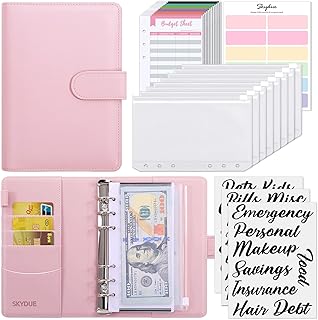
Stay on top of your council fees and savings goals with this all-in-one money binder. It fits perfectly into a waste‑reduction savings plan.
Tools to Help You Save More
| Product | Use Case | Price | Rating |
|---|---|---|---|
| 100 Envelopes Money Saving Challenge | Save $5,050 for a new bin or bulk‑pickup fund | $8.99 | 4.7 |
| SKYDUE Budget Binder | Track monthly waste fees and grocery costs | $8.98 | 4.7 |
| Wooden Money Saving Box (10 Amounts) | Smash‑box style for goal‑based savings | $7.99 | 4.4 |
| KYODOLED Cash Box with Key Lock | Secure change for special waste disposal fees | $22.99 | 4.7 |
Frequently Asked Questions
Why are my waste and recycling fees increasing every year?
Fees rise due to higher landfill tipping costs, fuel surcharges, labor expenses, and investments in recycling infrastructure. Municipalities also pass on state‑mandated recycling quotas and environmental compliance costs.
Can I lower my bill by sharing a bin with a neighbor?
Some cities allow shared bins for adjacent households, which can cut the per‑person cost. Check your local ordinance first — illegal dumping fines may apply if not permitted.
What’s the best way to track my waste expense savings?
Use a dedicated savings binder or challenge. The 100 Envelopes Money Saving Challenge and SKYDUE Budget Binder are popular options that help you set aside the money you’re saving from reduced fees.
Are there free ways to reduce waste costs?
Absolutely. Start by refusing unnecessary packaging, composting kitchen scraps, and verifying your recycling is clean. Even without buying anything, these behaviors can reduce volume enough to downsize your bin.
Reducing your waste and recycling fees isn’t complicated — it just requires a closer look at the charges on your bill and a few habit tweaks. Combine those savings with a simple tracking tool like the 100 Envelopes Money Saving Challenge or SKYDUE Budget Binder, and you’ll see real progress in your monthly budget. Start today by auditing your current service, and keep every dollar you save.