
When debt piles up, choosing the right payoff strategy can feel overwhelming. Two popular methods dominate the conversation: the debt snowball and the debt avalanche. Each has passionate fans, but they work very differently.
The debt snowball focuses on small wins to build momentum, while the debt avalanche targets high-interest balances to save money over time. Which one pays off faster and actually frees up more cash for your savings goals? Let’s break down the numbers, the psychology, and the tools that can keep you on track.
Table of Contents
How the Debt Snowball Works
With the snowball method, you list all debts from smallest to largest balance. You make minimum payments on everything except the smallest debt, which you attack with every extra dollar.
Once the smallest debt is gone, you roll that payment amount into the next smallest debt. The strategy builds “snowball” momentum as you knock out each balance.
Advantages of the debt snowball:
- Psychological wins – Quick progress keeps you motivated.
- Simple to follow – No need to track interest rates.
- Fewer debts, faster – Eliminating accounts reduces mental clutter.
But the snowball usually costs more in total interest because you’re not prioritizing high rates. It also takes longer to become debt‑free compared with the avalanche method.
How the Debt Avalanche Works
The debt avalanche flips the focus: you pay off debts with the highest interest rate first, regardless of balance.
You make minimum payments on all debts, then put extra money toward the one with the highest APR. After that debt is gone, you move to the next highest rate.
Advantages of the debt avalanche:
- Lowest total interest – Saves the most money over time.
- Faster payoff – High interest debts compound less.
- Mathematically optimal – Every extra dollar works hardest.
The downside? It demands discipline. If your highest-rate debt also has a large balance, you may not see a “win” for months. That can kill motivation.
Debt Snowball vs. Avalanche: Side‑by‑Side Comparison
| Factor | Debt Snowball | Debt Avalanche |
|---|---|---|
| Focus | Smallest balance first | Highest interest rate first |
| Total interest paid | Higher | Lower |
| Time to debt‑free | Usually slower | Usually faster |
| Motivation | Quick wins keep you engaged | Long wait for first win |
| Best for | People who need emotional momentum | People focused on maximizing savings |
Which Pays Off Faster?
The debt avalanche pays off debt faster in nearly every scenario. By eliminating high‑interest balances sooner, you reduce the amount of interest that accrues each month. More of your payment goes to principal, accelerating the timeline.
For example, if you have a $5,000 credit card at 22% APR and a $2,000 personal loan at 8% APR, the avalanche directs extra money to the card first. That saves you hundreds in interest and cuts months off your repayment.
However, if strict adherence to the avalanche makes you lose motivation and stop making extra payments, the snowball might actually be faster for you because you stick with it longer.
Which Frees Up More Money?
Freed‑up cash flow comes from two sources: paid‑off debts and reduced interest payments.
- The snowball frees up minimum payments quickly because you eliminate small balances early. That extra monthly cash can then be funneled into savings or emergency funds.
- The avalanche frees up more money long‑term because you pay less interest overall. Over a year or two, the savings can be substantial.
In short: snowball gives you cash flow sooner; avalanche gives you more cash overall.
Using Savings Tools to Accelerate Your Plan
No matter which method you choose, staying organized is half the battle. Physical savings tools can help you set aside money for debt payments or build a buffer while you pay off balances.
Wooden Money Saving Box

The Wooden Money Saving Box is a reusable cash vault with target amounts from $500 to $10,000. It includes a dry‑erase pen and savings trackers, making it easy to visualize your debt‑payoff progress. Rated 4.6 stars, it’s a solid choice for anyone who likes tangible reinforcement.
100 Envelopes Money Saving Challenge

The 100 Envelopes Money Saving Challenge Binder helps you save $5,050 by following a numbered envelope system. A perfect companion while paying down debt: you can use the saved cash for extra debt payments. Rated 4.7 stars and priced at just $8.99.
SKYDUE Budget Binder
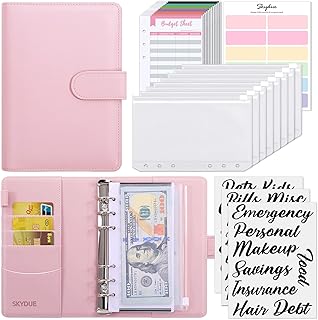
The SKYDUE Budget Binder includes zipper envelopes, cash envelopes, and expense sheets. It’s an all‑in‑one system for budgeting your debt payments, tracking spending, and saving simultaneously. Rated 4.7 stars, it’s a favorite for hands‑on budgeters.
Which Method Should You Choose?
Choose the debt snowball if:
- You struggle with motivation.
- You have many small debts.
- You prefer quick, visible progress.
Choose the debt avalanche if:
- You are mathematically disciplined.
- You want to minimize total interest.
- You can stay committed without early wins.
A hybrid approach also works: snowball the smallest debts for motivation while still making extra payments on high‑interest accounts when you can.
Beyond Payoff: Building Savings While Freeing Cash
Once you free up monthly cash flow, redirect it into a savings challenge or emergency fund. Tools like the 100 Envelopes Challenge make this automatic. The more you save, the less likely you are to fall back into debt when unexpected expenses arise.
Remember: paying off debt is just the first step. True financial freedom comes when you also build savings and invest for the future.
Frequently Asked Questions
Is the debt snowball or avalanche better for beginners?
The snowball is generally easier for beginners because it provides quick psychological wins. Beginners often need that motivation to stay consistent.
Does the avalanche method always save more money?
Yes, mathematically. By tackling the highest interest first, you reduce the total interest paid. However, if you stop the plan early, the savings vanish.
Can I switch methods halfway through?
Absolutely. You can start with the snowball to gain momentum and then switch to the avalanche once you’ve eliminated smaller debts.
How do I stay motivated during the avalanche method?
Track your progress with a visual aid like a Wooden Money Saving Box or a debt payoff chart. Celebrate milestones when you hit certain interest‑rate thresholds.
What if I have multiple debts with the same interest rate?
If rates are equal, use the snowball approach within that group: pay off the smallest balance first. This gives you a quick win without costing extra interest.
Ready to Take Action?
Whichever method you pick, the most important step is starting today. Pair your debt payoff plan with a simple savings tool like the SKYDUE Budget Binder to keep your finances organized. Debt freedom isn’t just about paying off what you owe — it’s about freeing up money to build the life you want.