

Not all debt is created equal. Whether you’re facing an emergency expense, planning a big purchase, or just trying to spread out a payment, the type of borrowing you choose can dramatically affect your financial health. Personal loans, lines of credit, and buy-now-pay-later (BNPL) services each serve different purposes—and come with very different costs.
Understanding these differences is the first step toward smarter credit decisions. This guide breaks down how each option works, when to use them, and how they fit into your long-term plan for credit optimization. And if you want to build a stronger money mindset, we’ll also show you two powerful books that can change how you think about debt and wealth.
Table of Contents
What Is a Personal Loan?
A personal loan is a lump sum of money you borrow from a bank, credit union, or online lender. You repay it in fixed monthly installments over a set term—usually one to seven years. Interest rates can be fixed or variable, and they depend heavily on your credit score.
Best for: Large, one-time expenses like debt consolidation, home improvements, or medical bills.
Pros: Predictable payments, often lower rates than credit cards, and no collateral required (if unsecured).
Cons: Origination fees, prepayment penalties, and strict eligibility requirements.
If you want to understand how lenders evaluate your application, read our guide on How Lenders Evaluate You: What’s Really in a Credit File?.
What Is a Line of Credit?
A line of credit (LOC) works more like a credit card. You’re approved for a maximum borrowing limit, and you can draw money as needed, up to that limit. You only pay interest on the amount you actually use. Common examples include home equity lines of credit (HELOCs) and personal lines of credit.
Best for: Ongoing or unpredictable expenses—home renovations, business cash flow, or emergency funds.
Pros: Flexible borrowing, lower rates than credit cards, and reusable as you repay.
Cons: Variable rates can rise, and some LOCs have annual fees or transaction fees.
Lines of credit fall under revolving credit, which affects your credit utilization ratio. For a deeper dive, see Installment vs Revolving Credit and Utilization Optimization.
What Is Buy-now-pay-later (BNPL)?
BNPL services like Afterpay, Klarna, and Affirm let you split a purchase into four or more interest-free installments—payable every two weeks. The service typically doesn’t run a hard credit check, and there’s no interest if you pay on time. However, late fees can add up quickly.
Best for: Smaller, discretionary purchases like clothing, electronics, or travel.
Pros: No interest, quick approval, no impact on credit scores (if you pay on time).
Cons: Encourages overspending, late fees, and some services report missed payments to credit bureaus.
BNPL is a relatively new product, but it can still affect your credit profile. Learn more about Hard vs Soft Inquiries and Timing Big Applications.
Key Differences at a Glance
| Feature | Personal Loan | Line of Credit | Buy-now-pay-later |
|---|---|---|---|
| How you receive money | Lump sum upfront | Draw as needed | Installments at checkout |
| Interest rate | Fixed or variable, typically lower than CC | Variable, often tied to prime | 0% if paid on time |
| Repayment term | 1–7 years | Open-ended (draw & repay) | 6 weeks to a few months |
| Credit check | Hard inquiry | Hard inquiry | Soft inquiry (usually) |
| Best use case | Large, planned expenses | Ongoing or variable needs | Small, short-term purchases |
Which Option Aligns with Your Financial Goals?
The right choice depends on your situation. If you need to consolidate high-interest credit card debt, a personal loan can lower your monthly payment and interest rate. If you’re renovating your home and costs will stretch over months, a line of credit gives you flexibility. If you simply want to buy a $200 jacket without paying all at once, BNPL might work—but be careful not to let convenience turn into a habit.
Understanding rate cycles is also critical. When interest rates are rising, a fixed-rate personal loan protects you from future hikes. When rates are falling, a variable-rate line of credit might save you money. For more context, see Rate Cycles: What Rising or Falling Interest Rates Mean for You.
Two Books to Transform Your Money Mindset
No matter which borrowing tool you choose, your relationship with money determines your long-term success. The following books offer timeless lessons on wealth, behavior, and decision-making.
1. Rich Dad Poor Dad
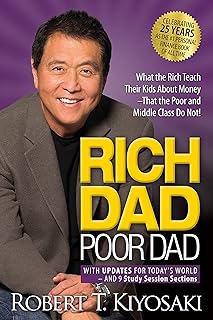
Robert Kiyosaki’s classic challenges traditional beliefs about income and assets. It teaches you to think like an investor, not just a consumer. This mindset shift alone can help you avoid using debt for depreciating items and instead leverage it to build wealth.
Price: $9.31 | Rating: 4.7 stars (over 107,000 reviews)
2. The Psychology of Money

Morgan Housel’s book dives into the emotional side of finance. It explains why we make irrational borrowing decisions, how to stay disciplined, and why “enough” is a powerful financial concept. A must-read for anyone navigating personal loans, lines of credit, or BNPL.
Price: $10.99 | Rating: 4.7 stars (over 71,600 reviews)
Quick Comparison: Books on Money and Debt
| Feature | Rich Dad Poor Dad | The Psychology of Money |
|---|---|---|
| Focus | Mindset, assets vs liabilities | Behavior, emotions, compounding |
| Best for | Changing how you see debt and income | Understanding why you spend and save |
| Price | $9.31 | $10.99 |
| Rating | 4.7 / 5 | 4.7 / 5 |
| Buy at Amazon | Buy at Amazon |
Final Thoughts: Borrow Strategically, Not Emotionally
Personal loans, lines of credit, and BNPL each have a place in a healthy financial toolkit—but only if you use them with intention. Before you borrow, ask yourself: What is this debt helping me achieve? How will I repay it? And is there a less expensive way to get the same result?
Combine practical tools with a strong financial education. Pick up one of the books above, and keep learning about topics like Strategic Refinancing of Mortgages, Student Loans, and Other Debt or Balance Transfers and Consolidation: When They Help vs Hurt.
The more you know, the less debt will control your life.
Frequently Asked Questions
Are personal loans better than credit cards?
Generally, yes—if you need a fixed amount and want a lower interest rate. Personal loans often have rates half that of credit cards, and the predictable payments make budgeting easier.
Can a line of credit hurt my credit score?
It can if you use too much of your available limit. High credit utilization on a revolving line of credit lowers your score. Keep your balance below 30% of the limit.
Do buy-now-pay-later services affect my credit?
Only if you miss payments. Most BNPL providers report late or missed payments to credit bureaus, which can damage your score. On-time payments usually aren’t reported, so BNPL typically doesn’t help build credit.
Which book should I read first for better financial decisions?
Start with The Psychology of Money if you struggle with emotional spending. If you need a complete mindset overhaul about wealth and investing, go with Rich Dad Poor Dad. Both complement each other well.
What’s the biggest risk with BNPL?
Overspending. Because payments are small and due in two weeks, it’s easy to lose track of how many “buy now” purchases you’ve made. This can lead to a cycle of late fees and debt accumulation.