

When it comes to health insurance and other protection policies, the decision between employer-sponsored coverage, marketplace plans, and private alternatives can feel overwhelming. Your choice affects not just your monthly budget but your long-term financial security and peace of mind.
In this guide, we’ll break down the pros and cons of each option, help you compare costs and coverage, and point you to resources that can deepen your understanding of personal finance. For example, reading The Psychology of Money can reshape how you think about risk and protection. Let’s dive in.
Table of Contents
Where Most People Start: Employer-Sponsored Plans
Employer plans are often the first line of defense for working Americans. They come with group rates, employer premium contributions, and the convenience of payroll deductions.
Advantages include:
- Lower premiums thanks to group bargaining
- Pre-tax payments that reduce taxable income
- Guaranteed issue — no medical underwriting
- Employer contributions that can cover a significant portion of the cost
However, employer plans aren't perfect. You may have limited network choices, fewer plan options, and you lose coverage if you leave your job. This is why it’s smart to understand your alternatives.
The Health Insurance Marketplace: Flexibility and Subsidies
The Affordable Care Act (ACA) marketplace offers individual and family plans with income-based premium tax credits. If you don’t have access to affordable employer coverage, this is your next best bet.
Key benefits:
- Subsidies that cap premiums at a percentage of your income
- Four metal tiers (Bronze, Silver, Gold, Platinum) to match your risk tolerance
- Open enrollment periods but also special enrollment for life changes
- Essential health benefits including maternity, mental health, and prescription drugs
The catch? If your employer plan is considered “affordable” and meets minimum value, you generally won’t qualify for subsidies. That makes the cost comparison crucial.
Beyond Traditional Insurance: Alternatives and Hybrids
For freelancers, early retirees, or those in between jobs, alternatives like health sharing ministries, short-term plans, and direct primary care can fill gaps. But they come with trade-offs.
Popular alternatives:
- Health care sharing ministries — faith-based, monthly shares, but no legal guarantee of payment
- Short-term limited duration plans — lower premiums, but exclude pre-existing conditions and essential benefits
- Direct primary care (DPC) — flat monthly fee for primary care, but no coverage for hospital or specialist visits
These options can save money if you’re healthy, but they lack the comprehensive protection of ACA-compliant plans. Use them only after careful risk assessment.
Comparing Costs: Employer vs. Marketplace vs. Alternatives
Let’s put the numbers side by side. The table below estimates typical monthly costs for a single 35-year-old non-smoker earning $50,000/year.
| Plan Type | Monthly Premium | Deductible | Out-of-Pocket Max | Coverage Level | [Buy at Amazon] |
|---|---|---|---|---|---|
| Employer Plan (Gold) | $350 (with $175 employer contribution) | $1,500 | $6,000 | Comprehensive |  |
| Marketplace Silver (with subsidy) | $200 | $4,000 | $8,000 | Essential benefits |  |
| Short-Term Plan | $120 | $5,000 | $10,000 | Limited (exclusions) | |
Note: Actual prices vary by location, age, and insurer. Always use healthcare.gov for precise figures.
How to Decide What’s Right for You
Your decision hinges on three factors: budget, health status, and risk tolerance. Here’s a simple framework:
- If you have a chronic condition → Stick with employer or marketplace plans that cover pre-existing conditions.
- If you’re young and healthy → A high-deductible marketplace plan or short-term alternative may save money.
- If you’re between jobs → COBRA is expensive; check marketplace special enrollment or a short-term bridge.
Also, review your entire insurance portfolio. How do your health, life, disability, and auto plans interact? For deeper insights, read Rich Dad Poor Dad — it challenges conventional thinking about assets, liabilities, and protection.
Books That Will Change Your Financial Mindset
Two essential reads for anyone navigating insurance and personal finance:
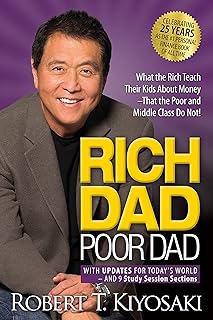
Rich Dad Poor Dad by Robert Kiyosaki — Price $9.31 — Rating 4.7/5 — This classic teaches you to think like an investor, not a consumer, when it comes to risk and protection.

The Psychology of Money by Morgan Housel — Price $10.99 — Rating 4.7/5 — Explores how our emotions drive financial decisions, including why we buy insurance and what peace of mind is worth.
Comparison Table: Recommended Books
| Book | Price | Rating | Focus | Buy at Amazon |
|---|---|---|---|---|
|
$9.31 | 4.7 | Mindset, assets vs. liabilities | Buy Now |
|
$10.99 | 4.7 | Behavior, risk, and happiness | Buy Now |
Frequently Asked Questions
Q: Can I have both an employer plan and a marketplace plan?
A: Yes, but you generally cannot receive premium tax credits if you’re eligible for affordable employer coverage. You could use a marketplace plan for a spouse or dependents.
Q: What’s the best option for a freelancer?
A: Marketplace plans with subsidies are usually best. If you’re healthy, consider a high-deductible plan paired with a Health Savings Account (HSA). Review Insurance for Freelancers, Contractors, and Self-employed People for more details.
Q: Are short-term plans worth it?
A: Only as a temporary bridge. They don’t cover pre-existing conditions and may deny claims for common issues. Read Common Insurance Traps, Upsells, and Junk Add-ons to Avoid before buying.
Q: How often should I review my coverage?
A: At least once a year during open enrollment, or after major life changes like marriage, birth, or job loss. Check Reviewing and Updating Your Policies as Your Life Changes for a step-by-step guide.
Building Your Personal Risk Management Plan
Insurance is just one pillar of financial protection. A comprehensive plan also includes an emergency fund, adequate life insurance, disability coverage, and liability umbrella policies. Learn how to assemble yours in How to Build a Personal Risk Management Plan?.
Also explore related topics:
- Health Insurance Basics: Premiums, Deductibles, Copays, Networks
- Life Insurance Decoded: Term vs Whole vs Universal
- Do You Really Need Disability Insurance? (Spoiler: Probably Yes)
- Cutting Insurance Costs Without Sacrificing Essential Coverage
Final Thoughts
Choosing between employer plans, marketplace plans, and alternatives isn’t a one-size-fits-all decision. It requires honest self-assessment of your health, finances, and values. Remember, the goal isn’t just to save money — it’s to gain peace of mind.
Invest in your financial education with The Psychology of Money and Rich Dad Poor Dad. They’ll help you see insurance not as an expense, but as a tool for protecting what matters most.