

Money often feels like a source of stress, not a tool for growth. But what if you could transform your relationship with finances into a mindful practice? By weaving intention into your daily money rituals and routines, you invite clarity, purpose, and inner peace into every dollar you earn, save, and spend.
At Success Guardian, we believe personal finance and spiritual growth go hand in hand. In this article, you’ll discover simple yet profound rituals that align your financial actions with your deeper values. We’ll also explore two essential books that can guide this journey—Rich Dad Poor Dad and The Psychology of Money.
Table of Contents
Why Intention Matters in Personal Finance
Most financial habits run on autopilot. You check your balance, pay bills, and swipe a card without a second thought. This mindless approach often leads to anxiety, overspending, and a disconnection from your true priorities.
Bringing intention means pausing before each financial decision. It’s asking, “Does this align with who I want to become?” This shift turns money management from a chore into a spiritual discipline. It’s not about earning more—it’s about aligning money with meaning.
As you explore these practices, you may also enjoy reading about Money as Energy: Helpful Metaphor or Harmful Myth? to deepen your understanding.
Morning Rituals: Set Your Financial Intention for the Day
The first hour of your day shapes your mindset. Instead of rushing into emails or news, carve out five minutes for a money-focused ritual.
Try this simple morning practice:
- Sit quietly and take three deep breaths.
- Place your hand on your heart or your wallet.
- Say aloud: “Today, I use money as a tool for good. I spend with awareness and save with purpose.”
- Write down one financial intention: “I will review my spending without judgment” or “I will say no to one impulse purchase.”
This ritual rewires your brain to treat money as a conscious companion, not a source of fear. Over time, it builds a foundation of trust and clarity.
For deeper support, consider Using Visualization to Support Concrete Financial Actions. Visualization paired with ritual amplifies your results.
Weekly Financial Check-In: A Sacred Space for Your Money
A weekly money date with yourself is one of the most powerful routines you can create. Set aside 30 minutes every Sunday evening. Light a candle, make tea, and open your financial tools.
During this check-in:
- Review your income and expenses for the week.
- Ask, “What did I spend that felt aligned? What felt out of alignment?”
- Celebrate one wise decision you made (e.g., cooking instead of ordering takeout).
- Gently adjust your budget for the coming week.
This is not about shame. It’s about observing patterns with kindness. Over weeks, you’ll notice where your money flows and where it leaks. This sacred routine turns budgeting into a meditation.
Want to explore how quieting the mind helps financial choices? Read How Meditation Can Improve Your Financial Decisions.
Spending with Presence: The Ritual of Conscious Consumption
Every transaction is an energetic exchange. When you spend mindlessly, you lose that energy. When you spend with presence, you reclaim it.
Try this ritual before any non-essential purchase:
- Pause for three seconds before opening your wallet (or clicking “Buy Now”).
- Ask: “Do I truly need this? Will it add lasting value to my life?”
- If you still feel drawn, say a silent thank you to the money you are about to exchange.
- Complete the purchase with gratitude, not guilt.
For larger purchases, wait 24 hours. This simple delay prevents impulse and aligns your spending with your deeper purpose. This practice also aligns with the mindset shift discussed in Finding Purpose in Paying Bills: a Mindset Reframe.
Gratitude for Money: A Daily Practice That Transforms Abundance
Gratitude is the fastest way to shift from scarcity to abundance. Make it a daily ritual to acknowledge the money you already have.
Every evening:
- Write down three money-related blessings. For example: “I am grateful I had food today.” “I am thankful my electricity bill is covered.” “I appreciate the paycheck I will receive Friday.”
- Thank yourself for any small financial win, like packing lunch or checking your bank account.
This practice trains your brain to see sufficiency everywhere. Over time, you naturally attract more opportunities because you feel worthy of receiving.
If you struggle with envy when others seem wealthier, read Practices for Releasing Envy and Comparison Around Wealth.
Two Books to Deepen Your Intentional Money Journey
To build lasting change, grounding your rituals in wisdom from trusted sources helps. Two books stand out for blending psychology, spirituality, and practical finance.
Rich Dad Poor Dad
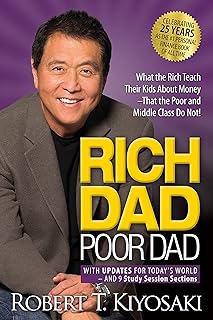
Robert Kiyosaki’s classic contrasts the mindsets of his two “dads”—one rich, one poor. The book teaches that financial education is just as important as earned income. It encourages you to buy assets, not liabilities, and to shift from an employee mindset to an investor mindset.
Why it fits intentional rituals: Rich Dad Poor Dad helps you question the stories you inherited about money. It lays the groundwork for creating financial habits that serve your soul, not just your bank account.
Price: $9.31
Rating: 4.7 out of 5 stars
Buy at Amazon: Get your copy here
The Psychology of Money

Morgan Housel’s book is a masterclass in understanding the emotional side of finance. Through 19 short stories, it reveals why we behave the way we do with money—and how to align our actions with long-term happiness rather than short-term greed.
Why it fits intentional rituals: Housel shows that managing money is less about math and more about behavior. His lessons reinforce the idea that calm, intentional routines beat complex strategies every time.
Price: $10.99
Rating: 4.7 out of 5 stars
Buy at Amazon: Get your copy here
Comparison Table: Rich Dad Poor Dad vs. The Psychology of Money
| Feature | Rich Dad Poor Dad | The Psychology of Money |
|---|---|---|
| Focus | Mindset shift, assets vs. liabilities | Behavioral finance, emotional intelligence |
| Key Lesson | Don't work for money; make money work for you | Wealth is about compounding and humility |
| Reading Time | ~2–3 hours | ~3–4 hours |
| Best For | Beginners rethinking their money story | Anyone struggling with financial anxiety |
| Price | $9.31 | $10.99 |
| Rating | 4.7 / 5 | 4.7 / 5 |
| Thumbnail | |
|
| Buy at Amazon | Buy Rich Dad Poor Dad | Buy The Psychology of Money |
Both books complement your intentional rituals perfectly. Read them side by side for a holistic view.
FAQ on Intentional Financial Rituals
How do I start a money ritual if I feel overwhelmed?
Start small. Pick one morning affirmation and one weekly check-in. Do them for 21 days before adding more. The goal is consistency, not perfection.
Can spiritual rituals really improve my finances?
Yes. Rituals shift your mindset from scarcity to abundance. When you feel empowered, you make better decisions—from saving to investing to spending. It’s a proven psychological principle.
What if I miss a day?
Forgive yourself and resume the next day. Rigid guilt defeats the purpose. This is a gentle practice of self-awareness, not a strict rulebook.
Are you saying I should ignore practical money management?
Not at all. Rituals are the emotional foundation. Practical steps like budgeting, debt payoff, and investing still matter. Rituals make those steps feel meaningful, not stressful.
How can I involve my family?
Invite your partner or kids to a weekly money conversation. Use a gratitude circle where each person shares one financial win. This builds collective intention and reduces money shame.
For more on integrating faith and finance, explore Reconciling Religious Teachings About Money with Modern Life.
Final Thoughts: Your Money, Your Ritual
Bringing intention into your financial life doesn’t require a radical overhaul. Simple, consistent rituals—morning affirmations, weekly reviews, conscious spending, and gratitude—can transform your relationship with money from one of fear to one of freedom.
Start with one routine today. The books Rich Dad Poor Dad and The Psychology of Money will deepen your understanding and keep you inspired. Remember, every dollar flows best when it flows with awareness.
For further growth, explore Balancing Trust, Faith, and Practical Money Planning and How to Choose Spiritual Teachers and Money Gurus Wisely.
Your money is a mirror of your soul. Choose to see yourself clearly.