

Money lessons often get passed down accidentally. Children absorb our habits, fears, and attitudes about finances simply by watching us. But if you want to build a lasting legacy of wealth, identity, and purpose, you can’t leave it to chance.
Intentional teaching is the bridge between good intentions and real change. By deliberately sharing your money lessons, you shape not just financial competence, but the very identity of the next generation. And that’s a legacy worth building.
Table of Contents
Why Intentionality Matters in Financial Education
Most people learn about money through trial and error—or worse, through silence. Many families avoid talking about finances altogether, creating a vacuum filled by social media, advertising, and peer pressure.
When you teach intentionally, you replace randomness with clarity. You decide what values, strategies, and boundaries your children carry forward. This is especially critical in a world where 40% of adults say they struggle to cover an unexpected $400 expense. The next generation deserves a better foundation.
Bold truth: Teaching money lessons without intention is like handing someone a map without marking the destination. You might get somewhere, but it won’t be where you hoped.
Core Money Lessons That Build Identity and Legacy
1. Wealth Is a Tool, Not a Scorecard
One of the most powerful lessons you can share is that money is a means to an end, not the end itself. In Rich Dad Poor Dad, Robert Kiyosaki contrasts two mindsets: the “poor dad” works for money, while the “rich dad” makes money work for him. The lesson isn’t about greed—it’s about freedom.
Teach your children to measure wealth by the time they can afford to live on their own terms, not by the size of their paycheck. This reframes money as a servant, not a master.
2. Identity Before Investment
A wealthy identity isn’t built on dollar signs. It’s built on self-worth, discipline, and generosity. When you teach money lessons intentionally, you’re also teaching your child to see themselves as a person who makes smart decisions, delays gratification, and gives back.
This aligns with the concept of Designing a Personal Wealth Philosophy: Rules, Boundaries, and Beliefs. A clear philosophy helps the next generation define what wealth means to them—before they chase it.
3. The Emotional Side of Money
Money triggers strong emotions: fear, envy, guilt, joy. Ignoring that reality leads to reactive spending or hoarding. The Psychology of Money by Morgan Housel explains how our unique experiences shape financial behavior. It’s a must-read for anyone serious about teaching the next generation.
Share stories of your own financial wins and mistakes. When kids see you reflect on your emotional relationship with money, they learn that it’s okay to have feelings—and essential to manage them.
Practical Strategies for Passing Down Your Money Lessons
Intentional teaching doesn’t require a curriculum. It requires presence and repetition. Here are concrete ways to embed your lessons into daily life:
- Use real-life scenarios: Let kids see you create a budget, pay bills, or compare prices. Explain your reasoning out loud.
- Give them practice: Start with an allowance tied to chores, then gradually introduce saving, spending, and giving categories.
- Hold family money meetings: Once a month, gather to review goals. This normalizes transparency and reduces secrecy.
- Read together: Choose books that spark conversations. Two of the best are Rich Dad Poor Dad and The Psychology of Money.
“The single most important thing you can do for your family is to teach them how to think about money, not what to think.” — Adapted from Kiyosaki
Books That Support Your Intentional Teaching Journey
Great resources can accelerate the process. Here are two standout titles that belong on every parent’s shelf.
Rich Dad Poor Dad
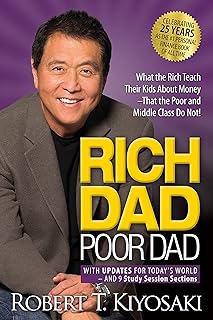
Price: $9.31
Rating: 4.7/5 (over 107,000 reviews)
This classic challenges conventional wisdom about earning, investing, and building assets. It’s ideal for starting conversations about financial independence and the difference between assets and liabilities.
The Psychology of Money

Price: $10.99
Rating: 4.7/5 (over 71,000 reviews)
Morgan Housel’s masterpiece focuses on the behavioral side of finance. It teaches that doing well with money has little to do with IQ and everything to do with self-awareness and long-term thinking.
Comparison Table
| Feature | Rich Dad Poor Dad | The Psychology of Money |
|---|---|---|
| Focus | Mindset & investing strategies | Behavioral psychology & long-term thinking |
| Best for | Teaching the difference between assets & liabilities | Teaching emotional intelligence around money |
| Price | $9.31 | $10.99 |
| Rating | 4.7 / 5 (107k reviews) | 4.7 / 5 (71k reviews) |
| Buy Link | |
|
Legacy Beyond Money: Non-Financial Assets You Can Build
Intentional money lessons are only one part of a complete legacy. True wealth includes values, stories, skills, and relationships. Teach your children about Legacy Beyond Money: Non-financial Assets You Can Intentionally Build. These intangible gifts—like resilience, empathy, and curiosity—often outlast any bank account.
Also help them understand How to Plan for Generational Wealth Without Losing Your Own Joy. It’s possible to build abundance for future generations while still enjoying your present.
Frequently Asked Questions
At what age should I start teaching my child about money?
You can begin as early as age 3 with simple concepts like “saving” and “spending.” By age 7, many children understand that money is a limited resource. The key is to match the lesson to their developmental stage.
What if I made financial mistakes? Should I hide them?
No. Children benefit enormously when you share your mistakes honestly. It humanizes you and teaches them that failure is part of learning. Use your errors as cautionary tales rather than secrets.
How do I teach generosity alongside wealth-building?
Model giving through your own actions. Set aside a percentage of income for charity or family support. Involve your children in choosing where to donate. This aligns with Giving, Tithing, and Philanthropy: How to Incorporate Them into Your Budget.
Can I teach money lessons without being wealthy?
Absolutely. The most valuable lessons—delayed gratification, budgeting, contentment—don’t require a large income. In fact, scarcity can be a powerful teacher. Focus on behavior, not balance.
Which book should I read first: Rich Dad Poor Dad or The Psychology of Money?
Start with Rich Dad Poor Dad if you want to shift your mindset about earning and investing. Then move to The Psychology of Money to deepen your understanding of the emotional and behavioral patterns that drive financial success.
Your Intentional Action Plan
Teaching the next generation your money lessons intentionally is not a one-time event. It’s an ongoing conversation embedded in everyday life.
Start today. Choose one lesson—like the difference between an asset and a liability—and share it during dinner this week. Pick up a copy of Rich Dad Poor Dad or The Psychology of Money and read a chapter together. Open the dialogue about identity, values, and long-term legacy.
The next generation doesn’t need perfect parents. They need intentional ones. Your money lessons, delivered with purpose, can become the foundation of their freedom.