

You’ve probably heard conflicting advice. Some people swear by carrying just one card. Others juggle a dozen to maximize rewards. So, how many credit cards is too many? The answer isn’t a magic number—it depends on your financial habits, self‑control, and goals.
Too few cards can limit your credit‑building potential and leave you without a backup. Too many can lead to missed payments, high utilization, and a damaged score. This guide helps you find the sweet spot between convenience and risk, so you can use credit cards as growth tools instead of traps.
Table of Contents
The Upside of Having Multiple Cards
Holding more than one card can actually benefit your credit score and your wallet—if used responsibly.
Credit score advantages:
- Lower credit utilization: With more total available credit, your utilization ratio (the amount you owe divided by your limit) stays low, which boosts your score.
- Payment history variety: A mix of accounts (revolving credit like cards) demonstrates you can manage different types of debt.
- Account age nuance: Opening new cards lowers your average age, but keeping older cards open helps. The trick is to add cards strategically.
Financial flexibility:
- Rewards optimization: Use a cash‑back card for groceries, a travel card for flights, and a 0% APR card for big purchases.
- Emergency backup: If one card is compromised or frozen, you have another ready.
- Interest‑free periods: You can time large expenses to fit a 0% intro APR window without paying interest.
Still, the convenience of plastic can quickly turn into a trap if you don’t understand the real risks.
The Real Risks of Too Many Cards
Each new card comes with hidden costs and temptations. Even “free” cards can cost you, especially if you let balances roll over.
Common pitfalls:
- Overspending. When you have multiple credit lines, it’s easier to lose track of total spending and live beyond your means.
- Annual fees add up. A $95 fee on each of five cards eats $475 a year—money that could be invested.
- Missed payments. More due dates mean more chances to forget. Just one late payment can hurt your score for years.
- Hard inquiries. Each application triggers a small, temporary dip. Several in a short period signals risk to lenders.
The deeper risk is behavioral. In Rich Dad Poor Dad, Robert Kiyosaki emphasizes that the rich focus on buying assets, not liabilities. Multiple credit cards are liabilities if you don’t pay them off monthly. They become assets only when you use them to build credit and earn rewards without carrying debt.
Factors That Determine “How Many Is Too Many”
There’s no universal limit, but these four factors help you decide:
| Factor | What to Consider |
|---|---|
| Your income stability | If your income fluctuates, fewer cards reduce the risk of overspending. |
| Your self‑control | Are you disciplined enough to pay each card in full every month? If not, one is enough. |
| Your credit score goals | Want an 800+ score? Having 3–5 open cards with low utilization is ideal. |
| Your organizational skills | Can you track multiple due dates without automated payments? If yes, more cards may work. |
If you’re rebuilding credit after past mistakes, start with one secured card. Read our guide on Step-by-step Plan to Rebuild Your Credit after Past Mistakes.
Signs You Have Too Many Cards
Watch for these red flags:
- You carry a balance on more than one card. That means you’re paying interest, which kills the rewards value.
- You’ve applied for a card just for the sign‑up bonus without a plan for the annual fee.
- You’ve missed a payment in the last year.
- Your credit utilization is over 30% across all cards—even if individual cards are low.
If this sounds familiar, it’s time to simplify.
How to Manage Multiple Cards Effectively
Follow these best practices to keep convenience high and risk low.
- Set up autopay for at least the minimum. Better yet, pay the full statement balance each month.
- Use a card for a specific purpose. One for recurring bills, one for groceries, one for travel—this keeps spending visible.
- Review your statements monthly. Don’t let small fees or subscriptions pile up.
- Close unused cards carefully. Closing a card reduces your total available credit and can raise your utilization. Instead, keep old cards open and use them once every few months to prevent issuer inactivity closures.
Mindset matters. The Psychology of Money by Morgan Housel teaches that financial success is more about behavior than knowledge. If owning three cards tempts you to spend more, cut back. If having five cards helps you build credit without stress, that’s fine.
Recommended Resources to Master Credit Card Strategy
Two books can transform how you think about credit and personal finance. Both are top‑rated and available on Amazon.
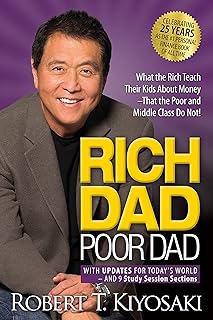
Rich Dad Poor Dad: What the Rich Teach Their Kids About Money That the Poor and Middle Class Do Not! — $9.31, Rating 4.7. This classic will shift your mindset from “earn and spend” to “earn, invest, and let money work for you.” It directly applies to borrowing: use debt for assets, not liabilities.

The Psychology of Money: Timeless lessons on wealth, greed, and happiness — $10.99, Rating 4.7. Housel explains why emotional discipline matters more than math. Perfect for anyone trying to resist the temptation to overspend just because they “have the credit.”
Comparison: Which Book Should You Read First?
| Feature | Rich Dad Poor Dad | The Psychology of Money |
|---|---|---|
| Focus | Mindset shift, investing, asset vs. liability | Behavioral finance, long‑term wealth habits |
| Best for | People stuck in the paycheck‑to‑paycheck cycle | Anyone who wants to understand their spending emotions |
| Price | $9.31 | $10.99 |
| Rating | 4.7 (107,400+ reviews) | 4.7 (71,600+ reviews) |
| Buy now | Buy at Amazon | Buy at Amazon |
Both books reinforce the same lesson: credit cards are tools, not traps. For more on using them wisely, read How to Use Credit Cards as Tools, Not Traps?.
FAQ: How Many Credit Cards Is Too Many?
What is the ideal number of credit cards for a good credit score?
Experts often recommend 2–5 open cards. With 3–5, you can keep your utilization low and demonstrate reliable payment history. But quality matters more than quantity—always pay on time.
Can having too many credit cards hurt my credit?
Yes, if you apply for many in a short time (multiple hard inquiries) or if you max out cards. Also, if you close old cards, your average account age drops, which can lower your score for a while.
Is it better to have one card or multiple?
One card is simpler, but multiple cards can help you earn more rewards and lower your utilization. Stick with one if you struggle with spending discipline. Choose multiple if you can manage them responsibly.
How do I know if I have too many credit cards?
You likely have too many if: you carry a balance on more than one, you’ve missed a payment in the past year, or you feel overwhelmed tracking due dates. If that’s you, simplify.
What should I do with credit cards I don’t use?
Keep them open (especially the oldest ones) to preserve your credit history length. Use each once every 6–12 months for a small purchase you pay off immediately. That prevents the issuer from closing it for inactivity.
Final Thought: Balance Is Personal
There’s no one‑size‑fits‑all answer to “How many credit cards is too many?” It depends on your self‑awareness, financial goals, and organizational habits. Start with one or two, build strong habits, and then expand only if the benefits outweigh the risks.
Remember: the best credit card strategy is the one you can stick with without stress. Use them to build your financial reputation, not to fuel lifestyle inflation. For deeper insights, explore our guides on Credit Score Basics: What Actually Matters and What Doesn’t and Common Credit Myths That Keep People Stuck or Afraid.